Starlink vs Traditional ISPs: Which Internet Is Better?
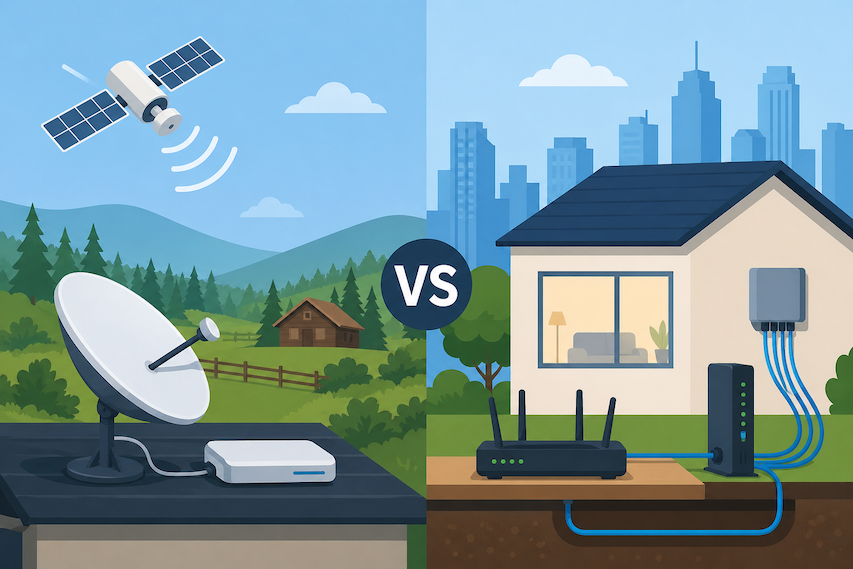
Choosing between Starlink and traditional internet providers is no longer a simple question of “satellite vs cable.” For many households in the United States, the better choice depends on where you live, how you use the internet, how much speed you need, and whether reliable wired internet is even available at your address.
Starlink has changed the conversation around rural broadband by offering satellite internet with faster speeds and lower latency than older satellite options. At the same time, traditional ISPs still dominate in cities and suburbs, especially where fiber, cable, and 5G home internet plans are available.
So, which is better: Starlink or a traditional ISP? The honest answer is that Starlink is often better for rural and underserved areas, while traditional ISPs are usually better for price, speed consistency, and everyday home internet when strong wired options are available.
Let’s break it down clearly so you can choose the internet service that actually fits your home.
What Is Starlink?
Starlink is a satellite internet service from SpaceX that uses a network of low Earth orbit satellites to deliver broadband internet. Unlike older satellite internet systems that rely on satellites much farther from Earth, Starlink’s satellites orbit closer to the planet.
That shorter distance helps reduce latency, which is the delay between sending and receiving data. Lower latency makes Starlink much more usable for video calls, streaming, online gaming, remote work, and everyday browsing compared with many older satellite internet options.
Starlink is especially attractive in rural areas where cable, fiber, or DSL internet may be limited, slow, expensive, or unavailable. Instead of depending on buried cables or neighborhood infrastructure, Starlink uses a satellite dish installed at your home to connect to the network.
That flexibility is one of its biggest strengths. But it also comes with trade-offs, especially when compared with traditional internet providers.
What Are Traditional ISPs?
Traditional ISPs include cable, fiber, DSL, fixed wireless, and 5G home internet companies that provide service through physical or local network infrastructure.
These providers vary widely by location. In many areas, you may have access to cable internet through companies like Xfinity, Spectrum, Cox, or other regional providers. In some cities and suburbs, fiber internet from providers like Verizon Fios, AT&T Fiber, or CenturyLink may also be available.
Traditional ISPs usually offer multiple plan tiers, promotional pricing, bundle options, and faster maximum speeds than satellite internet. If you want to compare availability across your area, a complete provider list can help you narrow down which internet companies serve your address.
The biggest advantage of traditional ISPs is infrastructure. When fiber or cable is available and well-maintained, it often delivers faster, more stable, and more affordable service than satellite internet.
Starlink vs Traditional ISPs: The Main Difference
The biggest difference between Starlink and traditional ISPs is how the internet reaches your home.
Starlink sends internet from satellites to a dish installed at your property. Traditional ISPs usually deliver internet through fiber-optic cables, coaxial cable lines, phone lines, cellular towers, or fixed wireless equipment.
That difference affects speed, reliability, latency, installation, pricing, and overall performance.
Starlink is designed to solve the problem of poor rural internet access. Traditional ISPs are designed around existing infrastructure, which works very well in developed areas but can leave rural customers with limited choices.
In other words, Starlink is not trying to beat fiber internet in a city. It is trying to reach places where fiber and cable may not go.
Internet Speed: Which One Is Faster?
When it comes to maximum speed, traditional ISPs usually win, especially if fiber or cable internet is available.
Fiber internet can often reach gigabit speeds, which means download speeds up to 1,000 Mbps or more. Cable internet can also offer very fast download speeds, depending on the provider and plan.
Starlink speeds can be strong, especially for satellite internet, but they are typically not as fast or as consistent as high-quality fiber or cable service. Performance can vary based on network congestion, weather, satellite coverage, and equipment placement.
For basic browsing, streaming, remote work, and video calls, Starlink can be more than enough. But for households with multiple heavy users, frequent large downloads, 4K streaming on several devices, or serious gaming needs, fiber or cable internet may feel smoother.
For example, customers comparing cable options often look at Xfinity internet plans because cable service can offer strong download speeds in many metro and suburban areas.
Latency and Gaming Performance
Latency matters when you do anything live or interactive online. This includes gaming, video conferencing, live streaming, cloud gaming, and remote desktop work.
Traditional fiber and cable internet usually have lower latency than Starlink. Fiber is especially strong here because it can deliver very fast response times with minimal delay.
Starlink has much better latency than older satellite internet services, but it still depends on satellite connections and network conditions. For casual gaming, it may work well. For competitive gaming, fiber or cable is usually the better choice.
That does not mean Starlink is bad for gaming. Many users can play online games successfully with Starlink. The issue is consistency. A traditional wired connection typically has fewer sudden latency spikes, which matters when every millisecond counts.
Reliability: Weather, Outages, and Stability
Reliability depends heavily on location and provider quality.
Traditional ISPs can be very reliable when their infrastructure is strong. Fiber internet is often the most stable because it is less affected by electrical interference and congestion than older network types.
Cable internet can also be reliable, though speeds may slow during peak usage hours if many people in your neighborhood are online at the same time. DSL is usually less competitive today because it depends on older phone-line infrastructure and often delivers slower speeds.
Starlink is reliable for many rural users, but it can be affected by heavy rain, snow buildup, obstructions, and improper dish placement. Trees, buildings, or hills blocking the dish’s view of the sky can reduce performance.
If your home has clear sky visibility, Starlink can work impressively well. If your dish has frequent obstructions, performance may suffer.
For people in rural areas comparing satellite options, HughesNet satellite internet is often considered alongside Starlink, although the two services can differ significantly in speed, latency, and plan structure.
Availability: Where Starlink Has the Edge
Availability is one of Starlink’s biggest advantages.
Traditional ISPs can only serve areas where they have built infrastructure. If no cable, fiber, or strong wireless network reaches your location, your options may be limited.
That is where Starlink becomes especially valuable. It can provide broadband internet in places where traditional providers either do not operate or offer only slow legacy service.
For rural homes, farms, cabins, remote businesses, and areas with poor wired coverage, Starlink may be the best available option. In some cases, it may be the only option that feels modern enough for work, streaming, and daily online life.
However, if you live in a city or suburb with access to fiber or cable, Starlink is usually not the first option to choose. Traditional wired service is often cheaper, faster, and more predictable.
Price: Which Is More Affordable?
Traditional ISPs are usually more affordable than Starlink, especially for standard home internet plans.
Many cable and fiber providers offer introductory rates, bundled discounts, and multiple speed tiers. This lets households choose a plan based on budget and usage.
Starlink generally has a higher monthly cost than many traditional internet plans. It also requires equipment, which can add a noticeable upfront expense. For rural users with few alternatives, that cost may be worth it. For suburban users with cable or fiber options, it may feel expensive.
The better value depends on what is available where you live. A $60 cable internet plan with strong speeds is usually a better deal than a more expensive satellite plan. But if your only traditional option is slow DSL, Starlink may deliver much better value despite the higher price.
If cable is available in your area, Spectrum service may be worth comparing against Starlink because cable plans can often provide faster speeds at lower monthly prices.
Equipment and Installation
Starlink requires a satellite dish, router, cables, and proper placement. The dish needs a clear view of the sky to maintain a strong connection.
Installation can be straightforward for some users, especially if the dish can be placed in an open yard or on a simple mount. But homes surrounded by trees or tall structures may need roof mounting or extra planning.
Traditional ISPs usually require a modem, router, or gateway. Some providers allow self-installation, while others may send a technician. If your home already has cable or fiber wiring, setup can be relatively easy.
The main difference is that traditional ISP equipment usually stays indoors, while Starlink depends on outdoor placement and sky visibility.
Data Caps and Fair Use
Data limits vary by provider and plan.
Some traditional ISPs offer unlimited data, while others enforce monthly data caps or charge extra for higher usage. Cable providers are more likely to have data policies that vary by region.
Starlink has also used different network management policies depending on service type and location. Like many internet providers, performance can be affected by congestion and priority levels.
For most households, the key question is not only whether the plan says “unlimited,” but whether your speed stays consistent during peak hours. A plan with unlimited data is less useful if it slows down heavily when everyone is online.
When reviewing traditional options, Cox home internet may be part of the comparison in areas where cable internet is available and plan terms vary by market.
Streaming and Entertainment
For streaming, both Starlink and traditional ISPs can work well.
If your household mainly watches Netflix, YouTube, Hulu, Disney+, or other streaming services, Starlink can usually handle standard HD and 4K streaming when the connection is strong.
Traditional fiber and cable internet may perform better when multiple people stream at once. A family with several TVs, phones, tablets, gaming consoles, and smart home devices may benefit from the higher speed and stability of cable or fiber.
If you only have one or two people online, Starlink may feel more than fast enough. If you have a large household with heavy streaming habits, a wired ISP may be the safer choice.
Remote Work and Video Calls
Remote work has made internet quality more important than ever. Video meetings, cloud apps, file uploads, project management tools, and remote desktops all depend on stable internet.
Starlink can support remote work, especially in rural areas where older satellite or DSL connections are too slow. Many remote workers use Starlink successfully for Zoom, Google Meet, Microsoft Teams, and cloud-based work.
However, traditional fiber internet is usually better for upload speeds, low latency, and consistency. Cable internet can also work very well, though upload speeds may be lower than fiber.
If your work depends on large file uploads, live calls, or constant connection stability, fiber is the best option when available. If fiber and cable are not available, Starlink may be a strong upgrade over slower rural alternatives.
Rural Internet: Starlink’s Strongest Case
Starlink shines brightest in rural America.
Many rural households have dealt with slow DSL, limited fixed wireless, expensive satellite plans, or no real broadband option at all. In these situations, Starlink can feel like a major improvement.
It can make remote work possible, improve streaming quality, support online schooling, and give rural families access to a more modern internet experience.
That said, Starlink is not automatically perfect for every rural address. Tree coverage, weather patterns, equipment placement, and network demand can all affect performance.
In some rural areas, DSL providers may still be part of the conversation, and CenturyLink internet can be worth reviewing when comparing available wired service against satellite.
Urban and Suburban Internet: Traditional ISPs Usually Win
In cities and suburbs, traditional ISPs are usually the better choice.
If you can get fiber internet, it will likely outperform Starlink in speed, latency, reliability, and long-term value. Fiber is especially strong for large households, gamers, remote workers, and anyone who wants the most future-ready connection.
Cable internet is also a strong option for many households. It may not always match fiber upload speeds, but it can still provide fast downloads and broad availability.
Starlink may still make sense in a city or suburb if your local ISP options are unusually poor, your property lacks wired access, or you need backup internet. But for most urban users, traditional ISPs are more practical.
For fiber shoppers, Verizon Fios internet is a common benchmark because fiber service often delivers excellent speed, stability, and low latency.
Starlink Pros and Cons
Starlink has clear strengths, especially for people outside traditional coverage areas.
Its biggest advantage is availability in remote places. It can bring fast internet to homes that have been ignored by cable and fiber providers for years.
It also offers better latency than older satellite internet, making it more practical for everyday use.
The downsides are cost, equipment requirements, weather sensitivity, and potential performance variation. It may not be the best choice if you already have access to affordable fiber or cable internet.
Traditional ISP Pros and Cons
Traditional ISPs are often better for speed, pricing, and consistency.
Fiber internet is usually the best overall home internet option when available. Cable is also strong for many households and is widely available in populated areas.
Traditional ISPs often provide lower monthly pricing, more plan variety, and simpler installation. They may also offer bundles with TV, phone, or mobile service.
The downside is availability. If a provider has not built infrastructure near your home, you cannot use the service. Some traditional ISPs also have hidden fees, contracts, data caps, or inconsistent customer service.
Which Is Better for Your Home?
Starlink is better if you live in a rural or remote area with limited internet options. It is also a good choice if your available DSL, fixed wireless, or older satellite service is too slow for modern needs.
Traditional ISPs are better if you can get fiber or cable internet at your address. They usually offer faster speeds, lower latency, better pricing, and more consistent performance.
A good rule of thumb is simple: choose fiber first if available, choose cable next if it offers strong speeds and fair pricing, and consider Starlink when wired options are weak or unavailable.
Starlink or Traditional ISP?
Starlink is a powerful solution for rural internet access, and it has raised expectations for what satellite internet can do. For households with few good options, it can be a game changer.
But traditional ISPs still win in most areas where fiber or cable is available. They typically provide better speed, lower latency, lower prices, and fewer equipment challenges.
The best internet plan is not always the flashiest one. It is the one that gives your household reliable speed, fair pricing, and enough performance for the way you actually use the internet.
If you live in a rural area with poor service, Starlink may be the better choice. If you live in a city or suburb with strong wired options, a traditional ISP will usually be the smarter pick.
FAQs About Starlink vs Traditional ISPs
Is Starlink faster than cable internet?
Starlink can be fast, especially compared with older satellite or DSL internet. However, cable internet is usually faster and more consistent when a strong cable provider is available in your area.
Is Starlink better than fiber internet?
No, fiber internet is usually better than Starlink for speed, latency, reliability, and overall value. Starlink is more useful when fiber is not available.
Is Starlink good for gaming?
Starlink can work for gaming, especially casual online gaming. For competitive gaming, fiber or cable is usually better because they typically offer lower latency and fewer connection spikes.
Does Starlink work in bad weather?
Starlink can work in many weather conditions, but heavy rain, snow, or obstructions may affect performance. Proper dish placement is important for the best connection.
Is Starlink worth the price?
Starlink can be worth it if you live in a rural area with poor internet options. If you already have affordable cable or fiber internet, a traditional ISP is usually the better value.
Should I choose Starlink or a traditional ISP?
Choose Starlink if your local wired internet options are slow, unavailable, or unreliable. Choose a traditional ISP if you can get fiber or cable service with strong speeds and fair pricing.
Related Posts
 Technology
Wifi
mobile phone plans
Technology
Wifi
mobile phone plans
What Is a Mobile Hotspot and How Does It Work?
A mobile hotspot is a portable feature or device that converts a cellular data connection (like 4G LTE or 5G) into a private Wi-Fi network
 Broadband Deals
cable deal
Broadband Deals
cable deal
Xfinity Cable Package Deals That Actually Deliver Value
Discover the best Xfinity cable package deals, compare internet and TV bundles, understand pricing, and choose the right plan for your home and budget.
 Broadband Deals
What Is TDS Internet and Is It Right for Your Home?
Learn what TDS Internet is, how it works, available plans, pricing, speeds, benefits, and how it compares with other internet providers.
 Internet Bundles
Bundle Internet, TV, and Phone Without Overpaying
Learn how to bundle internet, TV, and phone services for the best value. Compare plans, avoid hidden fees, and choose the right package for your home.
 Broadband Deals
cable deal
cheap internet deals
Broadband Deals
cable deal
cheap internet deals
Chicago Neighborhood Internet Guide for Better Connectivity
Explore internet options across Chicago neighborhoods, compare providers, understand speeds, costs, and find the best broadband solution.