Spectrum vs Xfinity Internet Plans for Seniors in Florida

Choosing the right internet plan shouldn’t feel overwhelming—especially for seniors who want reliable service, fair pricing, and simple options. If you’re comparing Spectrum vs Xfinity internet plans for seniors in Florida, you’re already on the right track. Both providers offer strong coverage across the state, but their plans, pricing structures, and perks differ in ways that can impact your everyday experience.
This guide breaks everything down in a clear, practical way so you can decide what truly fits your needs—whether that’s streaming, video calling family, or simply browsing with ease.
Why Seniors in Florida Need the Right Internet Plan
Florida has one of the largest senior populations in the U.S., and internet usage continues to grow among older adults. From telehealth appointments to staying connected with family, a dependable internet connection is no longer optional—it’s essential.
The ideal plan should offer:
Consistent speeds without sudden drops
Transparent pricing (no confusing hidden fees)
Easy setup and minimal technical hassle
Access to customer support when needed
Many seniors are also looking for budget-friendly options, which is why exploring cheap internet service can make a big difference in long-term affordability.
Overview: Spectrum vs Xfinity in Florida
| Feature | Spectrum | Xfinity |
| Contracts | No contracts | Contract & no-contract options |
| Data Caps | No data caps | Data caps on some plans |
| Equipment Fees | Often included | Usually extra |
| Availability | Widely available in Florida | Extensive coverage |
| Intro Pricing | Moderate | Often lower (promo rates) |
Before diving into details, here’s a quick snapshot.
Both providers are strong contenders—but your choice depends on what matters most to you: simplicity or savings.
Spectrum Internet Plans for Seniors
Spectrum is often favored by seniors who prefer straightforward pricing and fewer surprises.
What Makes Spectrum Stand Out
Spectrum keeps things simple:
No contracts required
Unlimited data usage
Free modem included
Stable pricing after the promo period
These features make Spectrum a reliable option for seniors who don’t want to worry about overage charges or changing bills.
Ideal Use Cases
Spectrum works well if you:
Stream TV occasionally
Use email and social media
Attend video calls with family
Want a “set it and forget it” plan
It’s especially useful for those who prefer consistency over promotional deals.
Xfinity Internet Plans for Seniors
Xfinity offers more variety in plans, which can be a plus—but also requires a bit more comparison.
H3: What Makes Xfinity Attractive
Xfinity stands out for:
Lower introductory pricing
Multiple speed tiers
Bundle options (internet + TV + phone)
Wide network coverage
For seniors open to exploring options, Xfinity can offer better short-term savings.
H3: Things to Watch For
While Xfinity has appealing entry prices, keep an eye on:
Data caps (in some plans)
Equipment rental fees
Price increases after promo periods
If you’re comfortable reviewing plan details, Xfinity can still be a strong choice.
Speed Comparison: What Do Seniors Actually Need?
Most seniors don’t need ultra-fast gigabit speeds. Here’s a practical breakdown:
Basic browsing & email: 25–50 Mbps
Streaming & video calls: 100–200 Mbps
Multiple users/devices: 300+ Mbps
Both Spectrum and Xfinity offer plans within these ranges. The key is not overpaying for speed you won’t use.
Pricing: Which One Is More Affordable?
Pricing varies depending on promotions and location, but here’s a general comparison:
Spectrum Pricing Approach
Slightly higher starting price
No sudden price jumps
No data overage fees
Xfinity Pricing Approach
Lower intro rates
Price increases after 12–24 months
Optional add-ons that increase cost
If you’re planning long-term, Spectrum may offer better value. If you want short-term savings, Xfinity might be appealing.
Equipment and Installation
Spectrum
Free modem included
Router may cost extra
Self-installation is simple
Xfinity
Equipment rental fees apply
More advanced router options available
Professional installation may cost extra
For seniors who prefer minimal setup, Spectrum tends to be easier.
Customer Service and Support
Customer support can make or break your experience.
Spectrum offers straightforward phone support and fewer plan complications
Xfinity provides more digital tools (apps, chat support), which can be helpful for tech-savvy users
If ease of communication is a priority, Spectrum may feel more approachable.
Bundling Options for Seniors
Many seniors look for bundled services to simplify billing and save money.
Xfinity offers more bundle combinations, especially with TV and mobile services. This is where options like best streaming bundles can complement your internet plan and enhance entertainment without extra hassle.
Spectrum also offers bundles, but they are generally simpler and fewer in number.
Comparing Long-Term Value
When choosing between Spectrum and Xfinity, think beyond the first bill.
Choose Spectrum If You Want:
Predictable monthly costs
No contracts or commitments
Unlimited data without monitoring usage
Choose Xfinity If You Want:
Lower upfront pricing
Flexible plan choices
Bundled service discounts
Special Considerations for Seniors
Some seniors qualify for discounted plans or assistance programs. It’s worth exploring internet plans for seniors in USA to find tailored options that may reduce monthly costs significantly.
Also consider:
Accessibility features
Ease of billing
Availability of in-home support
Don’t Forget About Mobile Needs
While choosing home internet, many seniors also evaluate mobile connectivity. Affordable cell phone plans for seniors can complement your internet plan and keep you connected on the go.
Some providers offer bundle discounts when you combine internet and mobile services.
How to Choose the Right Plan (Simple Checklist)
Before making a decision, ask yourself:
How many devices will I use?
Do I stream TV often?
Do I prefer stable pricing or lower starting cost?
Am I comfortable managing plan changes?
Answering these questions can quickly point you toward the right provider.
Finding the Best Deal in Your Area
Availability and pricing can vary by neighborhood, so it’s always smart to compare current offers. Checking with the best internet providers in your specific area can help you lock in the most suitable plan without overpaying.
Final Selections
There’s no one-size-fits-all answer. Both Spectrum and Xfinity offer solid internet services for seniors in Florida—but they cater to slightly different needs.
Spectrum is ideal for simplicity, stability, and no surprises.
Xfinity is better for flexibility, promotions, and bundling options.
Take a moment to weigh your priorities—cost, ease of use, or flexibility—and you’ll find the right fit without stress.
FAQs
1. Which is cheaper for seniors, Spectrum or Xfinity?
Xfinity is usually cheaper initially, but Spectrum may cost less long-term.
2. Does Spectrum offer senior discounts?
Spectrum doesn’t have dedicated senior plans but offers simple, contract-free pricing.
3. Are there data caps on Xfinity plans?
Yes, some Xfinity plans include data caps depending on your location.
4. What speed is best for seniors?
100–200 Mbps is typically enough for streaming and video calls.
5. Can seniors bundle internet with TV services?
Yes, both providers offer bundle options for convenience and savings.
Related Posts
 Technology
Wifi
mobile phone plans
Technology
Wifi
mobile phone plans
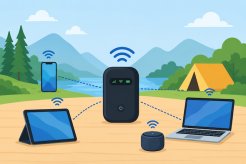
What Is a Mobile Hotspot and How Does It Work?
A mobile hotspot is a portable feature or device that converts a cellular data connection (like 4G LTE or 5G) into a private Wi-Fi network
 Broadband Deals
cable deal
Broadband Deals
cable deal
Xfinity Cable Package Deals That Actually Deliver Value
Discover the best Xfinity cable package deals, compare internet and TV bundles, understand pricing, and choose the right plan for your home and budget.
 Broadband Deals
What Is TDS Internet and Is It Right for Your Home?
Learn what TDS Internet is, how it works, available plans, pricing, speeds, benefits, and how it compares with other internet providers.
 Internet Bundles
Bundle Internet, TV, and Phone Without Overpaying
Learn how to bundle internet, TV, and phone services for the best value. Compare plans, avoid hidden fees, and choose the right package for your home.
 Broadband Deals
cable deal
cheap internet deals
Broadband Deals
cable deal
cheap internet deals
Chicago Neighborhood Internet Guide for Better Connectivity
Explore internet options across Chicago neighborhoods, compare providers, understand speeds, costs, and find the best broadband solution.