How to Choose the Best 5G Hotspot Device for Your Needs
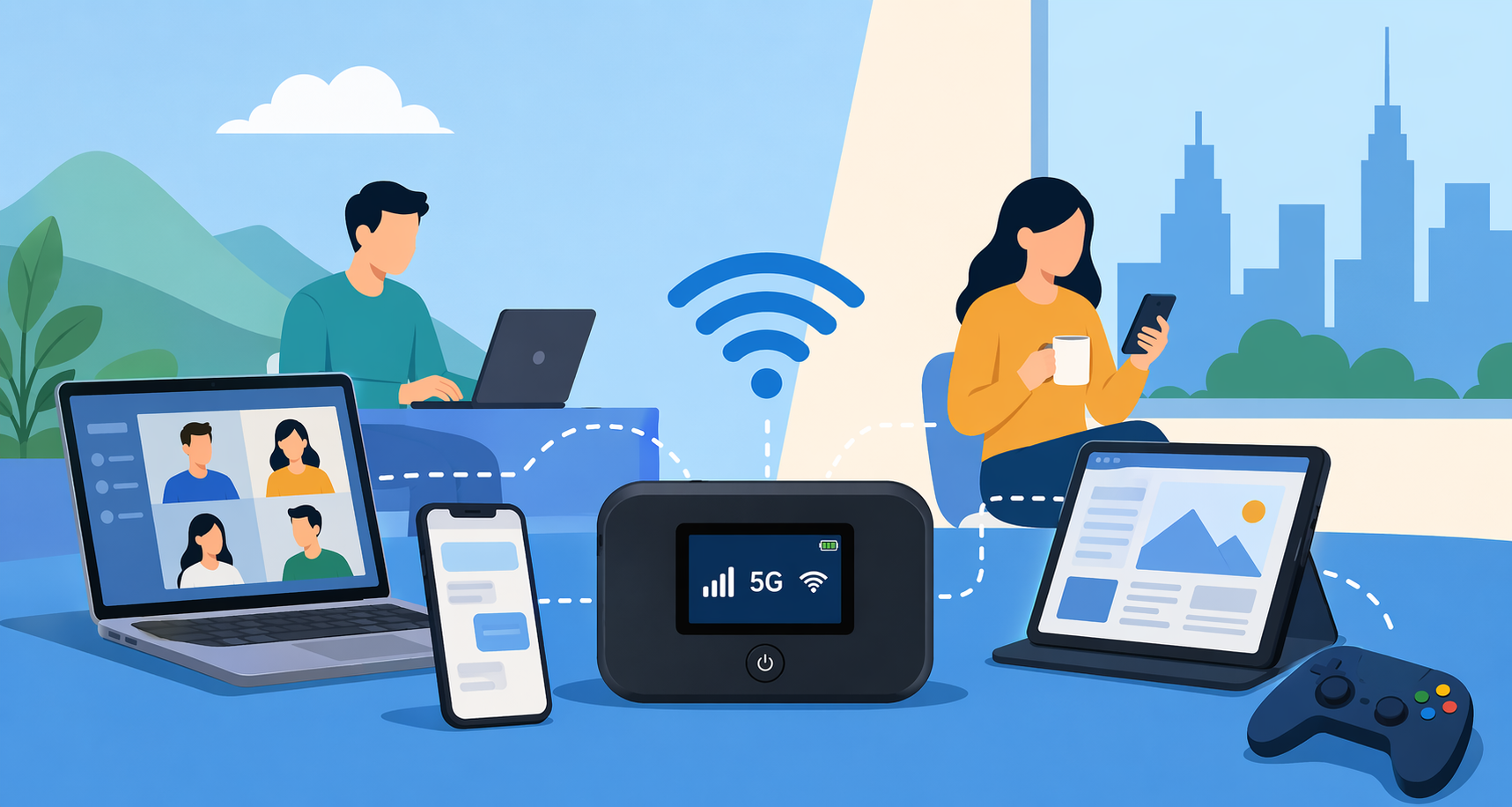
5G hotspot devices have quickly become one of the most practical ways to stay connected outside traditional home internet setups. They deliver fast, flexible connectivity that can support multiple users, making them ideal for remote work, travel, classrooms, and small business environments.
Unlike older 4G devices, 5G hotspots are designed to handle higher speeds, lower latency, and heavier device loads without significant performance drops. This makes them a strong alternative when fiber or cable internet is not available or practical.
To better understand how 5G technology has evolved and why it matters for modern connectivity, you can explore this detailed breakdown of understanding 5G technology basics.
What Makes a 5G Hotspot Different from Traditional Options
A 5G hotspot is not just an upgraded version of a mobile hotspot—it is a significant leap in wireless networking capability. These devices are built to support multiple high-demand users at once while maintaining stable performance.
They are especially useful in environments where Wi-Fi reliability is critical, such as:
Small office teams working remotely
Students sharing internet in classrooms
Travel groups needing shared connectivity
Temporary work sites requiring instant internet access
Compared to smartphone hotspots, dedicated 5G devices deliver stronger performance, better thermal control, and longer operational stability.
For a deeper look at how mobile connectivity functions in real-world scenarios, this guide on mobile hotspot essentials guide provides helpful context.
Key Features to Look for in a 5G Hotspot Device
Choosing the right 5G hotspot requires more than just picking the fastest device available. The real value comes from matching features to your actual usage needs.
Device Capacity and User Support
One of the most important factors is how many devices the hotspot can support at once. Most quality 5G hotspots can handle 20 to 30+ devices, making them suitable for group use without major slowdowns.
If you plan to connect multiple laptops, phones, or tablets, prioritizing higher device capacity ensures smoother performance.
Wi-Fi 6 Compatibility
Modern 5G hotspots often include Wi-Fi 6 support, which improves:
Network efficiency
Multi-device performance
Signal stability in crowded environments
This is especially important in offices or shared spaces where multiple users connect simultaneously.
Battery Life and Portability
Battery performance is another key consideration. A strong 5G hotspot should last through a full workday without frequent recharging, especially if used during travel or fieldwork.
Data Plan Flexibility
Even the most advanced device depends on the strength of its data plan. Choosing a plan with enough monthly data ensures uninterrupted usage without throttling or unexpected slowdowns.
Is a 5G Hotspot Better Than a Phone Hotspot?
In most real-world scenarios, a dedicated 5G hotspot is significantly more reliable than a smartphone hotspot.
While smartphones can share internet access, they are not optimized for continuous multi-user connectivity. Over time, this leads to performance limitations such as overheating, battery drain, and reduced speed stability.
A dedicated hotspot, on the other hand, is engineered for sustained usage and multiple connections.
Key advantages include:
Support for more simultaneous users
More stable long-term performance
Reduced strain on personal devices
Better Wi-Fi range and consistency
If you’re comparing device capabilities, it also helps to understand broader mobile performance factors discussed in this guide on choosing a new smartphone.
5G Hotspot vs 4G Hotspot: Is It Worth the Upgrade?
The choice between 5G and 4G hotspots often comes down to performance needs and budget.
Speed and Performance Differences
5G hotspots are significantly faster than 4G devices, especially in areas with strong network coverage. They also handle congestion better, meaning performance remains more stable during peak usage hours.
Device and Network Efficiency
4G hotspots typically support fewer connected devices and may struggle when multiple users stream or download content simultaneously. In contrast, 5G devices are designed for heavier workloads.
Long-Term Value
While 5G hotspots cost more upfront, they offer better long-term value due to:
Higher speeds
Better multitasking capability
Improved future compatibility
However, 4G hotspots can still be useful for budget-conscious users or basic browsing needs.
Understanding 5G Network Coverage in the Real World
Network availability plays a major role in hotspot performance. Even the most advanced device depends on the strength of local 5G infrastructure.
Major carriers such as T-Mobile, Verizon, and AT&T continue to expand their 5G networks across urban and suburban areas.
Among them, coverage strength varies by region, with some providers offering broader availability while others focus on high-speed urban zones.
For a broader perspective on how these networks are evolving, this 5G connection overview insights explains the infrastructure behind modern wireless expansion.
Data Plans and Cost Considerations
While 5G hotspots deliver impressive performance, data plans remain a key factor in overall cost and usability.
Most carriers structure hotspot plans with monthly data caps, typically ranging from moderate to high usage tiers. For example:
Mid-range plans may offer around 100GB per month
Higher-tier plans can support heavier streaming and work usage
Unlimited plans may include throttling after certain thresholds
These plans are ideal for flexible internet access, but they are generally not intended to fully replace home broadband unless usage is carefully managed.
For long-term home connectivity, fiber or cable internet may still offer better cost efficiency. However, hotspots are excellent for mobility and temporary setups.
Practical Use Cases for 5G Hotspots
5G hotspots are becoming essential tools in both personal and professional environments. Their flexibility makes them suitable for a wide range of scenarios.
Remote Work and Business Travel
Professionals who travel frequently rely on 5G hotspots for consistent internet access in hotels, airports, and client locations.
Education and Training
Schools and training centers use hotspots to provide internet access in classrooms or temporary learning environments.
Small Teams and Field Operations
Construction teams, event organizers, and mobile offices often depend on hotspot devices for communication and cloud access.
Backup Internet Solutions
Many households and businesses keep a hotspot as a backup in case of primary internet outages.
How to Choose the Right 5G Hotspot for Your Needs
Selecting the right device comes down to balancing performance, coverage, and budget.
Step 1: Assess Your Usage
Determine how many users will connect and what activities they will perform, such as streaming, video calls, or browsing.
Step 2: Check Network Availability
Make sure the provider offers strong 5G coverage in your area before committing to a device or plan.
Step 3: Compare Device Features
Focus on:
Device capacity
Battery life
Wi-Fi 6 support
Data plan flexibility
Step 4: Consider Long-Term Value
Think beyond the initial cost. A slightly more expensive device may offer better performance and longevity.
Final Thoughts on Choosing a 5G Hotspot Device
A 5G hotspot is more than just a portable internet device—it is a flexible connectivity solution designed for modern digital lifestyles. Whether you are working remotely, traveling, or managing a small team, the right hotspot can significantly improve productivity and reliability.
Understanding your usage needs, comparing network coverage, and evaluating device features will help you make a confident and practical decision.
Related Posts
 Technology
Wifi
mobile phone plans
Technology
Wifi
mobile phone plans
What Is a Mobile Hotspot and How Does It Work?
A mobile hotspot is a portable feature or device that converts a cellular data connection (like 4G LTE or 5G) into a private Wi-Fi network
 Broadband Deals
cable deal
Broadband Deals
cable deal
Xfinity Cable Package Deals That Actually Deliver Value
Discover the best Xfinity cable package deals, compare internet and TV bundles, understand pricing, and choose the right plan for your home and budget.
 Broadband Deals
What Is TDS Internet and Is It Right for Your Home?
Learn what TDS Internet is, how it works, available plans, pricing, speeds, benefits, and how it compares with other internet providers.
 Internet Bundles
Bundle Internet, TV, and Phone Without Overpaying
Learn how to bundle internet, TV, and phone services for the best value. Compare plans, avoid hidden fees, and choose the right package for your home.
 Broadband Deals
cable deal
cheap internet deals
Broadband Deals
cable deal
cheap internet deals
Chicago Neighborhood Internet Guide for Better Connectivity
Explore internet options across Chicago neighborhoods, compare providers, understand speeds, costs, and find the best broadband solution.