Why It’s Time to Switch to a Static IP for Your Business
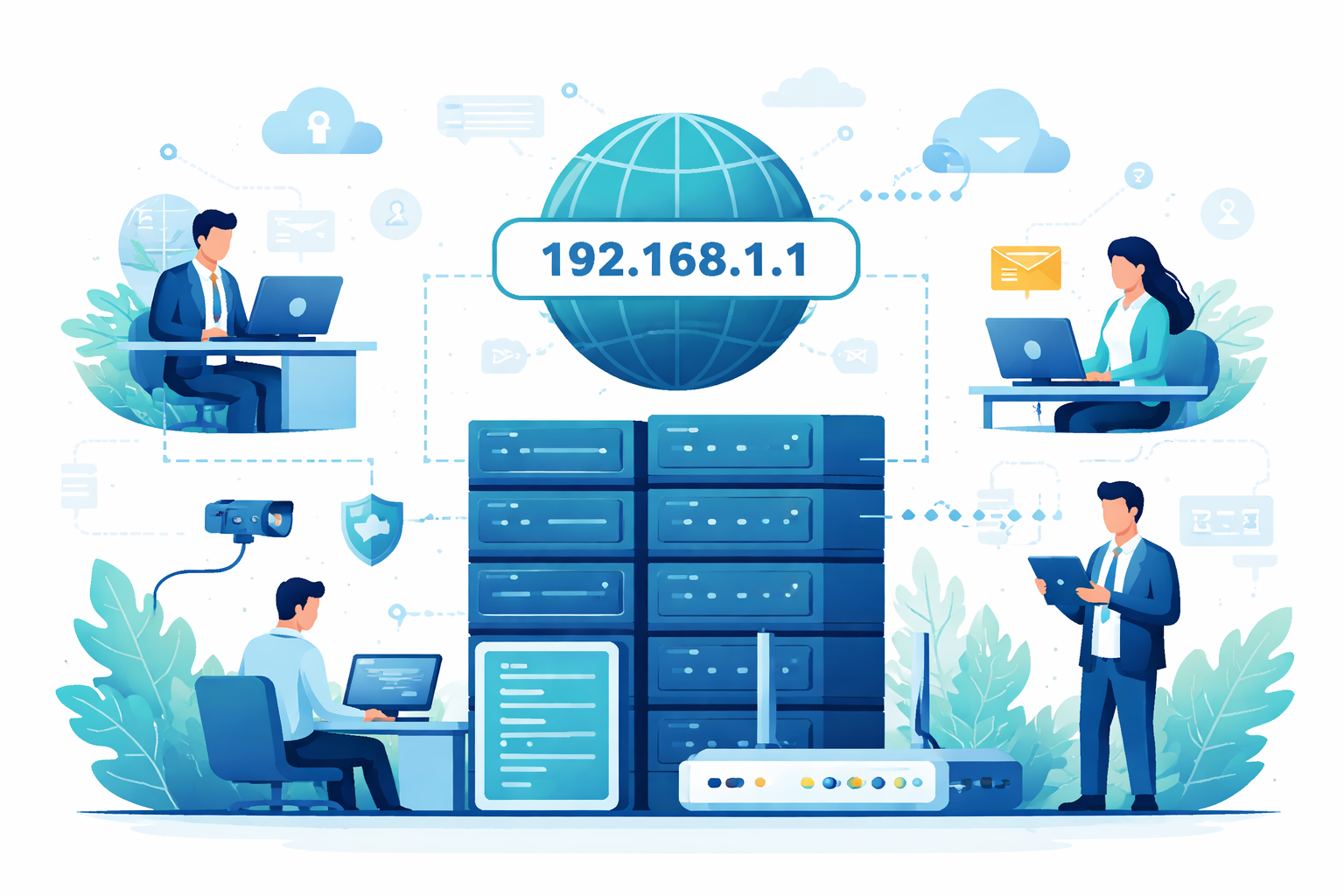
Reliable internet infrastructure is no longer a convenience for businesses—it is a necessity. From remote access and secure communications to hosting internal systems, the quality and consistency of your internet connection directly impact daily operations. One upgrade that often gets overlooked, yet delivers immediate value, is switching to a static IP address.
Many businesses continue using dynamic IPs without realizing the operational risks they introduce. Connection interruptions, email delivery issues, and remote access failures are common symptoms. A static IP eliminates these challenges by giving your business a fixed, dependable online identity.
What Is an Internet Protocol (IP) Address?
An Internet Protocol address, commonly referred to as an IP address, is a unique numerical identifier assigned to every device connected to the internet. It allows devices to locate one another and exchange data accurately.
Without an IP address, internet communication would not be possible. Every email sent, website loaded, or file downloaded relies on IP addresses working behind the scenes.
How IP Addresses Function
When your device connects to the internet, your internet service provider assigns it an IP address. This address tells external servers where to send requested information, ensuring data reaches the correct destination.
There are two primary types of IP addresses businesses encounter:
- Dynamic IP addresses
- Static IP addresses
Understanding how these differ is key to choosing the right setup for your organization.
Static IP vs Dynamic IP: Key Differences
Most consumer and small office connections use dynamic IPs by default. While they work for basic browsing, they often fall short for professional use cases.
What Is a Dynamic IP?
A dynamic IP address changes periodically. Your provider assigns it temporarily, and it may update after a modem restart, network reset, or scheduled rotation.
Dynamic IPs are cost-effective, but their changing nature creates challenges for businesses that require consistent access to systems and services.
What Is a Static IP?
A static IP address remains constant. It does not change unless you request a modification or switch providers. This consistency allows your network and devices to be reliably accessed at all times.
For businesses that host services, manage remote connections, or rely on secure communications, a static IP offers a level of predictability that dynamic IPs cannot provide.
Why a Static IP Makes Sense for Businesses
A static IP is more than a technical preference—it is a foundational upgrade that supports efficient operations. Below are the primary benefits businesses experience after making the switch.
Stable Remote Access to Business Systems
Remote access is now standard across industries. Employees and administrators need dependable connections to internal systems, whether working from home or traveling.
With a static IP, remote access tools connect without interruption. Configurations remain intact because the address never changes.
This is especially important for:
- Remote desktop connections
- Internal server access
- Network monitoring tools
Without a static IP, each address change requires reconfiguration, increasing downtime and support overhead.
Better Email Deliverability and Trust
Email servers evaluate IP reputation when deciding whether messages reach the inbox. Frequently changing IP addresses raise red flags and increase the likelihood of spam filtering.
A static IP establishes a consistent sending identity, improving trust with email providers over time. Businesses benefit from fewer bounced emails and improved deliverability for transactional and marketing communications.
Reliable Hosting for Internal and External Services
Businesses that host websites, applications, or internal tools need a dependable address that users and systems can always reach.
Services That Depend on a Static IP
- Web servers
- Email servers
- Application servers
- Internal portals
A static IP ensures these services remain accessible, simplifies DNS management, and reduces the risk of unexpected outages.
Enhanced Network Security and Control
Security configurations are far easier to manage when your IP address does not change. Firewalls, access control lists, and IP whitelisting rules can be set once and maintained confidently.
A static IP allows businesses to restrict access to trusted locations, reducing exposure to unauthorized traffic and improving compliance with security policies.
More Consistent Internet Performance
Although a static IP does not increase bandwidth by itself, it often results in more stable performance. Fixed routing reduces fluctuations caused by IP reassignment and network congestion.
Businesses often notice smoother video conferencing, more reliable cloud access, and fewer disruptions during peak usage periods.
Efficient File Transfers and FTP Access
Organizations that transfer large files regularly benefit greatly from static IPs. FTP servers rely on stable endpoints for consistent connections.
With a static IP:
- File transfers are more reliable
- Sessions are less likely to drop
- Security rules are easier to maintain
This is particularly valuable for creative teams, data-heavy operations, and technical departments.
Simplified VPN Configuration
Virtual Private Networks depend on predictable gateways. A static IP provides a permanent entry point into your business network.
This makes VPN deployment easier, reduces troubleshooting time, and ensures remote employees can connect securely without recurring configuration changes.
Compatibility With Advanced Business Tools
Many modern business platforms rely on IP-based authentication. Payment processors, APIs, and cloud integrations often require a fixed IP for authorization.
A static IP ensures compatibility with these tools and prevents interruptions caused by unexpected IP changes.
Services and Equipment That Typically Require a Static IP
Certain technologies perform best—or only function correctly—when assigned a static IP address.
Email Servers
A fixed IP improves sending reputation and reduces spam filtering issues.
Web Servers
Websites and applications hosted in-house require a consistent address to remain accessible.
Virtual Private Networks
VPN gateways rely on stable endpoints for secure access.
Database Servers
IP-based access rules are easier to enforce with a static address.
Is a Static IP a Good Fit for Small Businesses?
Static IPs are not limited to large enterprises. Small and medium-sized businesses often gain the most immediate benefits due to limited IT resources and growing remote work needs.
If your business depends on remote access, hosted services, or reliable communications, a static IP is a practical and scalable upgrade.
When evaluating options, reviewing internet providers can help identify plans that include static IP support without unnecessary costs.
A Practical Upgrade With Long-Term Value
Switching to a static IP is a strategic decision that improves reliability, security, and operational efficiency. It reduces technical friction and creates a stable foundation for business growth.
Dynamic IPs may be sufficient for casual use, but businesses require consistency. A static IP delivers that consistency and supports the tools and workflows modern organizations rely on every day.
Related Posts
 Broadband Deals
cheap internet deals
cheap internet plans
Broadband Deals
cheap internet deals
cheap internet plans
Portland ISP Providers: How to Find the Best Internet Service
Compare Portland ISP providers, internet speeds, pricing, and availability. Learn how to choose the best internet service for your home or business.
 Internet Bundles
AT&T Business Internet: Plans, Speeds & Benefits Explained
Learn everything about AT&T Business Internet, including plans, speeds, fiber availability, pricing, features, equipment, and how to choose the best option.
 Broadband Deals
Internet Bundles
Broadband Deals
Internet Bundles
Comcast TV and Internet Bundles: Are They Still Worth It
Explore Comcast TV and internet bundles in 2026. Compare benefits, costs, package options, and discover whether a bundled plan fits your needs.
 cheap internet offers
How to Manage Dish Network Internet Data
Learn how to monitor and manage Dish Network Internet data usage with simple tools, smart tips, and optimization strategies to avoid overages.
 cheap internet offers
Broadband Deals
cheap internet offers
Broadband Deals
How to Decode Your Internet Bill and Spot Hidden Fees
Learn how to read your internet bill, identify hidden fees, challenge unnecessary charges, and lower your monthly internet costs with confidence.