How to Protect yourself from the Dangers of Public Wi-fi
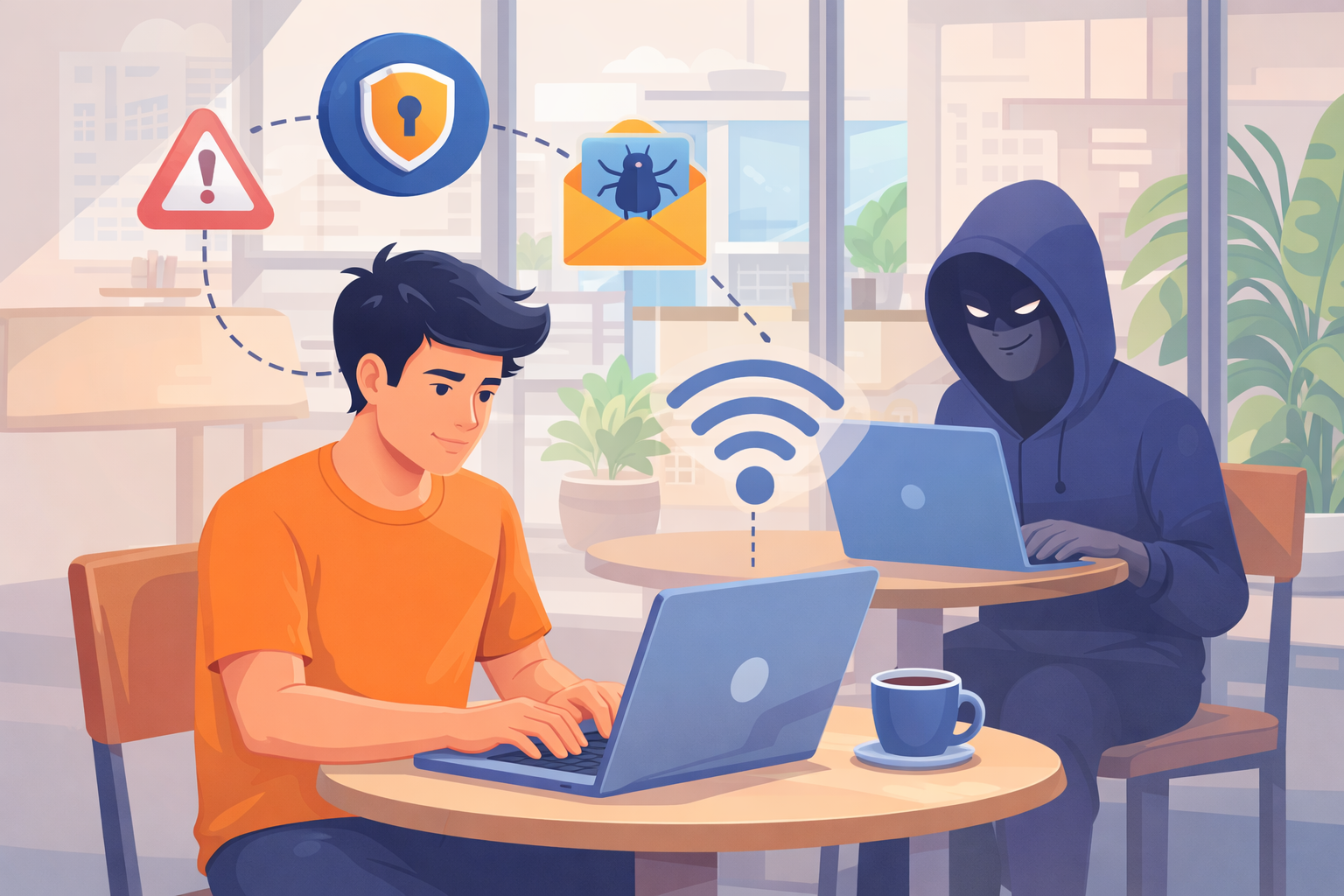
Public Wi-Fi has become part of everyday life. Coffee shops, airports, hotels, malls, and even public transportation offer free internet access that keeps us connected wherever we go. While this convenience is hard to resist, public Wi-Fi networks also come with serious security risks that many users underestimate.
Hackers actively target unsecured networks because they offer easy opportunities to steal data, spy on online activity, and compromise personal accounts. Understanding how these threats work—and how to protect yourself—can make the difference between safe browsing and a costly digital mistake.
This guide explains the real dangers of public Wi-Fi and outlines practical, easy-to-follow steps you can take to stay secure without sacrificing productivity or mobility.
Why Public Wi-Fi Is Risky in the First Place
Public Wi-Fi networks are designed for accessibility, not security. Unlike private home or office networks, they often lack encryption and proper safeguards.
Open Networks Invite Unwanted Access
Most public Wi-Fi hotspots do not require passwords or use shared credentials. This means anyone nearby—including malicious actors—can join the same network as you.
Lack of Encryption
Many public networks don’t encrypt data properly. When information travels without encryption, it can be intercepted and read by attackers using basic tools.
Minimal Network Oversight
Public hotspots are rarely monitored or maintained with strong security protocols. This creates an environment where suspicious activity can go unnoticed for long periods.
These weaknesses make public Wi-Fi a prime hunting ground for cybercriminals.
Common Threats You Face on Public Wi-Fi
Understanding the most common attacks helps you recognize why protective steps matter.
Man-in-the-Middle Attacks
In this scenario, attackers position themselves between your device and the internet connection. They can intercept communications, read sensitive data, and even alter information without your knowledge.
Evil Twin Networks
Hackers often create fake Wi-Fi networks that mimic legitimate ones, such as “Free Airport Wi-Fi” or “CoffeeShop Guest.” When users connect, attackers gain full access to their online activity.
Packet Sniffing
Packet sniffing tools allow attackers to capture unencrypted data packets traveling across the network. Login credentials, emails, and personal messages can be exposed.
Malware Injection
On unsecured networks, attackers may inject malicious code into websites you visit, infecting your device with spyware or ransomware.
What Information Is Most at Risk
When connected to public Wi-Fi, certain types of data are especially vulnerable.
- Login credentials for email, banking, and social media
- Credit card and payment details
- Personal messages and emails
- Business documents and confidential files
- Browsing history and online behavior
Once stolen, this information can be used for identity theft, financial fraud, or unauthorized account access.
Use a Virtual Private Network (VPN) Every Time
One of the most effective ways to protect yourself on public Wi-Fi is by using a VPN.
How a VPN Keeps You Safe
A VPN encrypts your internet traffic and routes it through a secure server. Even if someone intercepts the data, it appears unreadable.
Added Privacy Benefits
Beyond security, VPNs also hide your IP address, making it harder for third parties to track your location or online behavior.
Always-On Protection
Enabling a VPN before connecting to any public network ensures consistent protection without requiring constant attention.
Using a reputable VPN service transforms unsafe networks into significantly safer browsing environments.
Avoid Accessing Sensitive Accounts on Public Wi-Fi
Even with protective tools, certain activities are better avoided on public networks.
Banking and Financial Transactions
Online banking, bill payments, and investment platforms should be accessed only on trusted, private networks.
Work Systems and Admin Dashboards
Business tools often contain sensitive data. Logging into these systems on public Wi-Fi increases the risk of data breaches.
Password Changes
Changing passwords over an unsecured network exposes both the old and new credentials to potential interception.
If something can wait until you’re on a secure connection, it usually should.
Related: Online Shopping Safety Guide: How to Shop Smart and Stay Secure
Stick to HTTPS Websites Only
Secure websites use HTTPS encryption to protect data exchanged between your browser and the server.
Why HTTPS Matters
HTTPS prevents attackers from easily reading or modifying data in transit. Without it, your information may be visible in plain text.
How to Check for HTTPS
Look for a lock icon in the browser’s address bar. Modern browsers also warn users when a site is not secure.
Use Browser Security Features
Many browsers offer settings or extensions that automatically block non-HTTPS websites, adding another layer of protection.
Turn Off Automatic Connections and Sharing
Your device may be exposing more than you realize.
Disable Auto-Connect Features
Many smartphones and laptops automatically connect to known Wi-Fi networks. This can lead to accidental connections to malicious hotspots with similar names.
Turn Off File Sharing
File sharing and network discovery should be disabled when using public Wi-Fi. Leaving them on allows others on the network to access shared folders or devices.
Limit Bluetooth Visibility
Bluetooth can also be exploited in public spaces. Turning it off when not in use reduces attack surfaces.
Keep Your Devices and Software Updated
Security updates exist for a reason.
Patch Known Vulnerabilities
Operating system and application updates often fix known security flaws that hackers exploit on public networks.
Update Browsers and Extensions
Outdated browsers are more vulnerable to malicious scripts and compromised websites.
Enable Automatic Updates
Automatic updates ensure you’re protected even if you forget to check manually.
Up-to-date devices are significantly harder to compromise.
Use Two-Factor Authentication Everywhere Possible
Even if credentials are stolen, two-factor authentication (2FA) adds an extra layer of protection.
How 2FA Works
2FA requires a second verification step, such as a one-time code sent to your phone or generated by an authenticator app.
Accounts That Should Always Use 2FA
- Email accounts
- Banking and financial services
- Cloud storage platforms
- Social media and messaging apps
2FA can stop attackers even if they obtain your username and password.
Log Out and Forget Networks After Use
Your connection habits matter just as much as your security tools.
Always Log Out of Accounts
Logging out ensures that sessions cannot be hijacked if your connection becomes compromised later.
Forget Public Networks
After using public Wi-Fi, remove the network from your saved connections. This prevents automatic reconnections in the future.
Restart Your Device
Restarting clears temporary connections and resets network processes, reducing lingering risks.
Consider Mobile Data as a Safer Alternative
When security is critical, mobile data often provides a safer option.
Why Mobile Networks Are More Secure
Cellular networks use stronger encryption than most public Wi-Fi hotspots.
Use Hotspot Tethering Carefully
If you need internet access on multiple devices, tethering through your phone’s data connection can be safer than public Wi-Fi.
While mobile data may have usage limits, it offers better protection for sensitive tasks.
Teach Yourself to Spot Suspicious Behavior
Awareness is a powerful defense.
Unexpected Login Alerts
If you receive login alerts or password reset emails after using public Wi-Fi, act immediately.
Slow or Redirected Browsing
Unusual redirects or altered web pages can signal a compromised connection.
Certificate Warnings
Never ignore browser warnings about invalid or untrusted certificates.
Quick reactions can limit damage if something goes wrong.
Long-Term Habits for Safer Public Wi-Fi Use
Protecting yourself isn’t about fear—it’s about smart habits.
Create Separate Browsing Profiles
Using a limited browser profile for public Wi-Fi reduces exposure of saved passwords and sensitive data.
Use Password Managers
Password managers generate strong, unique passwords and reduce the need to type credentials manually on unsafe networks.
Regularly Review Account Activity
Check account activity logs and permissions to catch suspicious behavior early.
Stay Connected Without Putting Yourself at Risk
Public Wi-Fi isn’t going away, and avoiding it entirely isn’t realistic. The key is understanding its risks and using the right protections to stay safe.
By encrypting your connection, limiting sensitive activity, keeping devices updated, and practicing smart browsing habits, you can enjoy the convenience of public Wi-Fi without exposing yourself to unnecessary danger.
Security doesn’t require paranoia—just preparation and consistency.
Related Posts
 Broadband Deals
cable deal
Broadband Deals
cable deal
How Spectrum Internet Compares to Xfinity, AT&T & HughesNet
Compare Spectrum Internet with Xfinity, AT&T, and HughesNet based on speed, pricing, reliability, technology, and value to choose the right provider.
 cheap internet deals
Best DSL Internet Providers for Reliable Home Internet
Compare the best DSL internet providers, including AT&T, CenturyLink, and Frontier. Learn about speeds, pricing, pros, and how to choose the right plan.
 Internet Bundles
How to Temporarily Pause Your Internet Service and Save Money
Learn how to temporarily pause your internet service, avoid cancellation fees, save money during travel, and easily restore your connection when needed.
 Broadband Deals
Broadband Installation
Broadband Deals
Broadband Installation
CenturyLink in Farmington: A Complete Guide for Local Users
Explore CenturyLink Farmington plans, pricing, installation, performance, and expert tips to choose the best home internet service for your needs.
 Technology
Wifi
mobile phone plans
Technology
Wifi
mobile phone plans
What Is a Mobile Hotspot and How Does It Work?
A mobile hotspot is a portable feature or device that converts a cellular data connection (like 4G LTE or 5G) into a private Wi-Fi network