Simple Ways to Browse the Internet Faster Without the Frustration

Slow internet can quietly drain your time, focus, and patience. Whether you’re loading work dashboards, streaming videos, shopping online, or managing a business website, speed matters more than ever. The good news is that faster browsing doesn’t always require upgrading your plan or replacing all your devices. In many cases, small adjustments can significantly improve how quickly pages load and how smoothly your online experience feels.
This in-depth guide breaks down practical, proven tips on how to browse the internet faster. From optimizing your browser and network settings to choosing smarter connectivity options, you’ll learn how to improve speed in ways that are realistic, effective, and easy to maintain.
Understand What Really Slows Down Your Internet
Before jumping into fixes, it helps to understand what affects browsing speed in the first place. Internet speed is influenced by several overlapping factors, not just the plan you pay for.
Bandwidth vs. Latency
Bandwidth refers to how much data your connection can handle at once, while latency measures how long it takes for data to travel from a server to your device. You might have decent bandwidth, but high latency can still make browsing feel sluggish.
Network Congestion
When multiple devices share the same connection, speeds can drop. This is common in households with smart TVs, phones, laptops, and gaming consoles all running at the same time.
Outdated Hardware and Software
Old routers, outdated browsers, or neglected operating system updates can quietly slow everything down.
Understanding these basics makes it easier to apply the right solutions instead of guessing.
Start by Testing Your Current Internet Speed
Before making changes, it’s important to know where you’re starting. Running a quick speed test shows whether your connection is underperforming or if the issue lies elsewhere.
Using a reliable speed test gives you insight into download speed, upload speed, and latency. If the results are far below what your plan promises, the issue may be your provider, router, or wiring. If speeds look fine but browsing still feels slow, the problem is likely local to your device or browser.
Checking your speed at different times of day can also reveal congestion patterns, especially during peak evening hours.
Related : Wi-Fi vs. Ethernet: Which Internet Connection Should You Choose?
Optimize Your Browser for Faster Performance
Your browser is the gateway to the internet. Even with a fast connection, a cluttered or outdated browser can slow things down significantly.
Clear Cache and Cookies Regularly
Cached files help websites load faster, but over time they can become bloated or corrupted. Clearing them periodically keeps your browser responsive and reduces loading issues.
Limit Extensions and Add-ons
Browser extensions consume memory and can delay page loading. Remove anything you no longer use and keep only essential tools active.
Keep Your Browser Updated
Modern browsers release updates frequently to improve speed, security, and compatibility. Running the latest version ensures you benefit from performance improvements designed for today’s websites.
Use a Lightweight Browser Profile
If your browser supports profiles, creating a streamlined one for work or daily browsing can improve responsiveness by reducing background activity.
Improve DNS Resolution for Quicker Page Loads
One of the most overlooked ways to browse faster is improving how your device resolves domain names. DNS servers translate website names into IP addresses, and slow DNS resolution can delay page loading before any content even appears.
Switching to faster public DNS services can noticeably improve browsing speed and reliability. Many users see immediate benefits after moving away from default ISP DNS servers.
Learning how to switch DNS can reduce lookup times, improve consistency, and even add extra security depending on the provider you choose. This change alone can make everyday browsing feel snappier, especially when opening new websites.
Upgrade or Optimize Your Router Settings
Your router plays a major role in how fast your internet feels across all devices.
Position Your Router Strategically
Place your router in a central, elevated location away from thick walls and electronic interference. Poor placement can weaken signal strength and slow connections.
Use the Right Wi-Fi Band
Modern routers support both 2.4 GHz and 5 GHz bands. The 5 GHz band offers faster speeds over shorter distances, making it ideal for browsing-heavy devices close to the router.
Update Router Firmware
Firmware updates often include performance improvements and security fixes. Logging into your router’s admin panel and checking for updates can result in better stability and speed.
Consider Quality of Service (QoS) Settings
QoS allows you to prioritize browsing traffic over downloads or streaming. This is especially useful in busy households or small offices.
Reduce Background Data Usage
Even when you’re not actively browsing, background activity can consume bandwidth and slow everything else down.
Manage Automatic Updates
Operating systems, cloud backups, and applications often update silently. Scheduling updates during off-hours keeps browsing smooth when you need it most.
Pause Unnecessary Syncing
Cloud storage tools can upload and download large files in the background. Temporarily pausing sync during important browsing sessions can free up bandwidth instantly.
Limit Streaming and Downloads on Shared Networks
Multiple HD streams or large downloads can slow browsing for everyone on the network. Coordinating usage or setting limits can help maintain consistent performance.
Choose the Right Internet Provider for Your Needs
Sometimes, slow browsing isn’t about settings at all. It’s about the quality and reliability of your internet service.
Different providers offer varying levels of speed, consistency, and customer support. Exploring available internet providers in your area can reveal better options that match your usage habits and budget.
Reliable providers with modern infrastructure often deliver more stable speeds, lower latency, and fewer slowdowns during peak hours, all of which directly impact browsing performance.
Use Wired Connections When Possible
Wi-Fi is convenient, but wired connections are still faster and more stable.
Ethernet for Desktop Browsing
If you work from a desk or use a desktop computer, connecting directly to your router via Ethernet can significantly reduce latency and improve page load times.
Minimize Interference
Wireless signals can be disrupted by neighboring networks, appliances, and physical obstacles. Wired connections bypass these issues entirely.
For tasks that require consistent speed, such as online research or content management, a wired setup can make a noticeable difference.
Optimize Devices for Faster Internet Use
Your devices themselves can become bottlenecks if they’re not maintained properly.
Keep Operating Systems Updated
System updates often include performance enhancements that improve how your device handles network traffic.
Close Unused Applications
Running multiple apps in the background consumes memory and processing power, slowing down browsing performance.
Restart Devices Regularly
A simple restart clears temporary issues and refreshes network connections, often restoring lost speed.
Use Data-Saving and Performance Features
Many modern tools include built-in features designed to improve browsing speed.
Enable Browser Data Saver Modes
Some browsers compress pages before loading them, reducing data usage and speeding up load times, especially on slower connections.
Block Heavy Media Content
Ad blockers and content blockers reduce the number of elements loading on each page, improving speed and readability.
Use Reader Modes When Available
Reader modes strip away unnecessary design elements, allowing text-heavy pages to load faster and appear cleaner.
Maintain Consistent Performance Over Time
Improving browsing speed isn’t a one-time task. Maintaining it requires occasional check-ins and adjustments.
Monitor Speed Periodically
Running a quick speed test every few weeks helps you catch issues early and verify that your connection performs as expected.
Review Your Internet Plan Annually
Usage habits change. What worked last year may no longer meet your needs today. Reviewing your plan ensures you’re not overpaying or underpowered.
Stay Informed About New Technologies
Advancements in routers, browsers, and network standards continue to improve browsing performance. Staying updated helps you benefit from these improvements as they become available.
Faster Browsing Is Easier Than You Think
Browsing the internet faster doesn’t always require expensive upgrades or technical expertise. By optimizing your browser, improving DNS resolution, managing background usage, and choosing the right provider, you can dramatically improve how the web feels day to day.
Small changes add up. When combined, they create a smoother, more responsive online experience that saves time, reduces frustration, and supports everything you do online.
Related Posts
 Technology
Wifi
mobile phone plans
Technology
Wifi
mobile phone plans
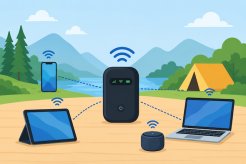
What Is a Mobile Hotspot and How Does It Work?
A mobile hotspot is a portable feature or device that converts a cellular data connection (like 4G LTE or 5G) into a private Wi-Fi network
 Broadband Deals
cable deal
Broadband Deals
cable deal
Xfinity Cable Package Deals That Actually Deliver Value
Discover the best Xfinity cable package deals, compare internet and TV bundles, understand pricing, and choose the right plan for your home and budget.
 Broadband Deals
What Is TDS Internet and Is It Right for Your Home?
Learn what TDS Internet is, how it works, available plans, pricing, speeds, benefits, and how it compares with other internet providers.
 Internet Bundles
Bundle Internet, TV, and Phone Without Overpaying
Learn how to bundle internet, TV, and phone services for the best value. Compare plans, avoid hidden fees, and choose the right package for your home.
 Broadband Deals
cable deal
cheap internet deals
Broadband Deals
cable deal
cheap internet deals
Chicago Neighborhood Internet Guide for Better Connectivity
Explore internet options across Chicago neighborhoods, compare providers, understand speeds, costs, and find the best broadband solution.