How to Use the Verizon Fios Outage Map for Faster Fixes
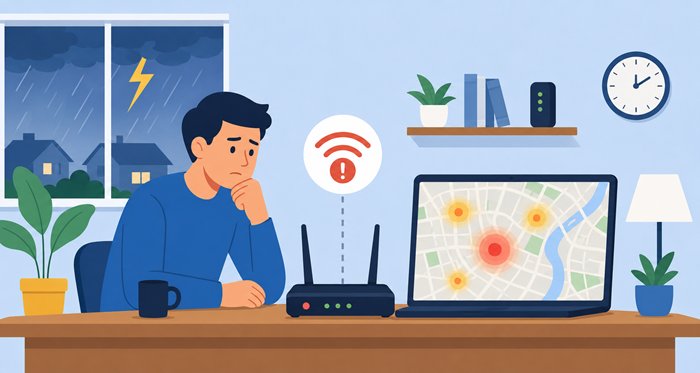
A sudden internet outage can throw off your entire day. Whether you work remotely, stream content, attend online classes, or manage smart devices at home, losing connectivity is frustrating. That’s why many users rely on the Verizon FiOS outage map to quickly identify service interruptions, maintenance work, or regional network problems before troubleshooting their own setup.
Understanding how outages work — and how to confirm whether the issue is local or widespread — can save time and help you avoid unnecessary resets or support calls. In this guide, you’ll learn how outage tracking works, what causes internet disruptions, and the fastest ways to restore your connection when Verizon services go down.
If you’re already using Verizon high speed internet, knowing how to monitor outages can make managing your home network much easier.
Why Internet Outage Maps Matter
Outage maps have become one of the most useful tools for internet customers. Instead of guessing whether your router is failing or your provider is experiencing issues, these maps offer real-time updates based on network data and user reports.
When service interruptions happen, customers typically want answers immediately. An outage map helps by showing:
Areas currently affected
Estimated restoration times
Maintenance notifications
Service status updates
Regional connectivity patterns
For households that depend heavily on stable internet access, outage visibility is essential.
What Causes Verizon Internet Outages?
Internet outages happen for many reasons, and not all of them involve large-scale network failures. Sometimes the issue may only affect a neighborhood or even a single home.
Common Reasons for Service Interruptions
Weather-Related Damage
Heavy rain, storms, strong winds, or flooding can damage infrastructure and interrupt fiber connections.
Scheduled Maintenance
Providers occasionally perform upgrades or repairs that temporarily affect connectivity in certain areas.
Hardware Problems
Faulty routers, damaged cables, or overheating network equipment can disrupt your connection.
Regional Network Congestion
High traffic during peak hours may impact performance or create temporary interruptions.
Power Outages
If local network nodes lose power, internet services may become unavailable until electricity is restored.
How to Check the Verizon FiOS Outage Map
The easiest way to verify a service issue is by checking outage tracking systems. These tools typically combine official network updates with user-reported disruptions.
Step 1: Visit the Official Service Status Page
Start with Verizon’s service status tools or mobile app. These platforms often display outages affecting your account or area.
Step 2: Enter Your ZIP Code
Most outage tools allow users to search by location to identify nearby interruptions.
Step 3: Compare User Reports
Independent outage trackers can help confirm whether others in your area are experiencing similar issues.
Step 4: Restart Your Equipment
Even if an outage appears on the map, restarting your router and modem is still worth trying.
Signs the Problem Is Inside Your Home
Not every outage is network-wide. Sometimes the issue comes from equipment or internal setup problems.
Router Warning Lights
Blinking red or yellow indicators may signal connection issues.
Weak Wi-Fi Signal
Poor signal strength can look like an outage even when internet service is active.
Loose Cable Connections
Fiber cables and Ethernet lines should always be firmly connected.
Device-Specific Problems
If only one device loses internet access, the issue may not be your provider at all.
How Long Do Internet Outages Usually Last?
Outage duration varies depending on the cause.
Outage duration varies depending on the cause.
| Issue Type | Average Downtime |
|---|---|
| Minor equipment reset | 5–20 minutes |
| Neighborhood outage | 1–4 hours |
| Severe weather damage | Several hours to days |
| Scheduled maintenance | Usually under 2 hours |
Large-scale infrastructure repairs naturally take longer than temporary technical disruptions.
Ways to Stay Connected During an Outage
Even reliable providers experience occasional downtime. Preparing backup options ahead of time can reduce interruptions.
Use Mobile Hotspots
Smartphones can temporarily provide internet access for essential tasks.
Download Offline Files
Save important work documents or entertainment content in advance.
Invest in Backup Power
Battery backups can keep routers running during short power outages.
Monitor Service Alerts
Provider notifications often include estimated restoration timelines.
Choosing the Right Internet Plan Helps Too
Reliable service starts with selecting a plan that matches your household usage. Many connectivity complaints happen because users choose speeds that cannot support their daily activities.
People with multiple devices, gaming systems, smart TVs, and remote work setups often benefit from reviewing available options before upgrading.
For example, many heavy users compare cheap Verizon fios plans to find better long-term performance and stability for high-bandwidth households.
Understanding Fiber Internet Reliability
Fiber internet is generally more stable than older cable or DSL connections because it uses light signals instead of electrical transmissions. This reduces interference and improves consistency.
Still, no network is completely immune to outages.
Benefits of Fiber Connections
Faster upload speeds
Lower latency
Better streaming performance
More stable video calls
Improved support for smart homes
That’s why many users prefer fiber-based services for remote work and entertainment.
Comparing Speeds and Performance
Different internet plans provide different levels of reliability depending on usage demands. Smaller households may only need basic speeds, while larger families often require higher bandwidth.
Users researching the difference between Verizon’s fios 50 vs 100 frequently discover that internet speed affects not just performance, but also how well the network handles multiple simultaneous devices.
Tips to Reduce Future Connectivity Problems
While outages cannot always be avoided, several simple practices help reduce downtime and improve overall network performance.
Keep Your Router Updated
Firmware updates often fix bugs and improve connection stability.
Place Your Router Properly
Avoid hiding the router behind walls or electronics that weaken signals.
Replace Old Equipment
Older routers may struggle with modern bandwidth demands.
Secure Your Network
Unauthorized devices can slow performance and create instability.
Restart Equipment Occasionally
A quick reboot can resolve temporary software conflicts.
How Verizon Continues Improving Its Network
Internet providers regularly invest in infrastructure upgrades to improve speed, coverage, and reliability. Fiber expansion projects and network modernization efforts continue across many regions.
Customers following Verizon new updates often notice improvements in service availability, equipment technology, and network optimization tools designed to reduce outages and improve overall performance.
Verizon vs Other Internet Providers
Reliability comparisons are common among consumers shopping for internet service. Some households prioritize speed, while others care more about pricing or regional availability.
Coverage, infrastructure quality, and service consistency can vary significantly between providers.
Consumers comparing Spectrum vs Verizon often evaluate outage frequency, fiber availability, speed consistency, and customer support before making a decision.
What to Do If the Outage Lasts Too Long
If your service remains unavailable longer than expected, take these additional steps:
Contact customer support directly
Request outage updates
Ask about estimated restoration times
Check for damaged cables outdoors
Verify your account status and billing
Long-term outages may qualify for billing credits depending on provider policies.
The Growing Importance of Reliable Home Internet
Modern homes depend on internet access more than ever before. Streaming, online learning, smart security systems, gaming, and remote work all rely on stable connectivity.
As digital demands continue growing, outage transparency and faster restoration times have become major priorities for internet providers.
Consumers researching verizon fios home internet services often look beyond speed alone and focus on long-term reliability, support quality, and service consistency.
At the same time, users comparing verizon fios internet packages or evaluating verizon internet plans frequently consider uptime history alongside pricing.
Coverage also plays a major role. Before subscribing, many households verify verizon internet availability in their region and consult a verizon fios availability map to confirm service access before installation.
Conclusion
Internet outages are inconvenient, but having access to accurate outage tracking tools makes troubleshooting much easier. Whether the issue comes from weather, maintenance, or local equipment, understanding how to use the Verizon FiOS outage map helps you respond quickly and stay informed.
Reliable internet has become essential for everyday life, and knowing how to diagnose connectivity issues can save both time and frustration. With the right preparation, backup options, and service awareness, you can minimize downtime and maintain a smoother online experience.
FAQs
What is the Verizon FiOS outage map?
It’s a tool that shows reported internet outages and service disruptions by location.
How can I tell if Verizon internet is down in my area?
Check outage maps, provider alerts, or user-reported service trackers online.
Do weather conditions affect fiber internet?
Yes, severe weather can damage infrastructure and interrupt connectivity.
How long do most internet outages last?
Most outages are resolved within a few hours depending on the cause.
Should I restart my router during an outage?
Yes, restarting equipment can sometimes restore service immediately.
Related Posts
 cheap internet deals
cheap internet plans
Internet Bundles
cheap internet deals
cheap internet plans
Internet Bundles
MetroPCS and Netflix: The Best Streaming Experience Guide
Learn how MetroPCS works with Netflix, reduce buffering, manage data usage, choose the right plan, and enjoy a better mobile streaming experience.
 Internet Bundles
Broadband Installation
Wifi
cheap internet deals
Internet Bundles
Broadband Installation
Wifi
cheap internet deals
Best DIRECTV Internet Services Provider for Your Home
Discover the best DIRECTV internet services, compare providers, pricing, speeds, bundles, and expert tips to choose the right home internet solution.
 Technology
Wifi
Technology
Wifi
How To Test Your Internet Speed?
Learn how to test your internet speed accurately, understand speed test results, fix slow connections, and improve your internet performance.
 cheap internet deals
Best Free & Legal Movie Streaming Sites in 2026
Discover the best free and legal movie streaming sites in 2026, including Tubi, Pluto TV, Plex, Hoopla, Kanopy, and more to watch movies online for free.
 Technology
YouTube Key Commands That Make Watching Videos Faster
Learn the best YouTube key commands to navigate videos faster, improve productivity, control playback easily, and enjoy a smoother streaming experience.