Smarter Ways to Get Internet Without a Phone Line or Cable TV
More households are moving away from landline phones and traditional cable bundles as streaming becomes the center of home entertainment. With smart TVs and mobile devices making it easier than ever to access movies, series, and live streams, many families now rely entirely on Wi-Fi to power daily life. As internet-only plans become more practical and cost-efficient, the real question is how to get reliable home internet without paying for cable TV or a home phone line.
Streaming platforms continue to reshape the way people watch content, and the growing demand for smooth playback puts pressure on homes to meet their speed requirements. Many viewers compare their connection to the recommendations found in the Netflix speed discussion to understand how much bandwidth they actually need.
This shift toward flexible, app-based entertainment is a big reason families prefer pure internet plans today.
Why Internet-Only Plans Are Becoming the New Standard
Cable subscriptions have been declining for years as people realize they no longer need dozens of channels to enjoy entertainment. Most households spend more time on streaming platforms than traditional TV networks, making internet the only essential service.
Cost efficiency
Monthly bills become noticeably cheaper without the add-ons of cable or landline services. Many families choose to redirect those savings toward faster internet plans instead.
Freedom to choose
Internet-only plans let users pick whichever streaming apps they prefer. You can subscribe to multiple platforms or switch them out based on your viewing habits without being tied to a cable contract.
Better overall performance
Since all bandwidth is dedicated to internet activity alone, the connection tends to be more stable—ideal for working from home, video conferencing, gaming, and streaming.
Exploring Internet Options Without Cable TV or Phone Lines
Today, several types of home internet work independently of traditional phone or cable lines. Your best choice depends on your speed needs, budget, and location. Each option below includes an internal link naturally embedded into a sentence—never listed or grouped.
DSL Internet
Many homes still rely on DSL internet, especially in suburban or rural neighborhoods where copper lines remain common. DSL doesn’t require an active phone plan and often provides enough speed for browsing, moderate streaming, and everyday household use.
Satellite Internet
For areas without wired infrastructure, satellite internet offers reliable accessibility. It uses a dish receiver to communicate with orbiting satellites and can cover locations where ground-based networks don’t reach. Speeds have improved significantly, making it functional for HD streaming and remote work with some latency considerations.
Fiber Internet
Households looking for the fastest speeds often check availability for fiber internet, which uses light-speed data transmission through glass cables. Fiber supports 4K video, smart home devices, large downloads, and multiple connected users simultaneously without slowdowns—one of the biggest advantages for modern families.
Naked DSL
Another option is Naked DSL, which delivers broadband through DSL lines without requiring a landline phone plan. It’s a simple, cost-efficient solution for homes looking for internet-only service while keeping hardware requirements minimal.
Fixed Wireless
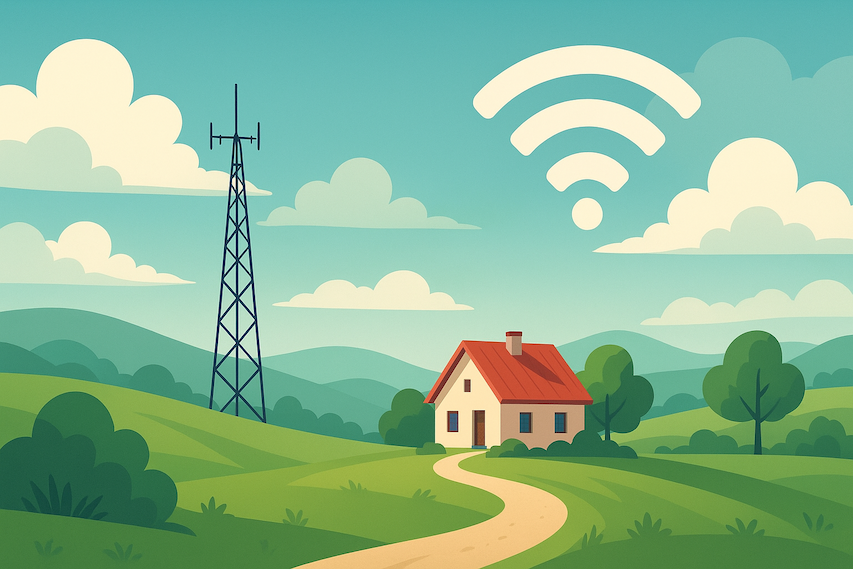
In semi-rural or open-area locations, many households turn to fixed wireless. It delivers internet using radio signals from a nearby tower, allowing homes without cable or fiber lines to access stable broadband. It’s especially useful for large properties and communities with limited wired infrastructure.
Providers That Offer Standalone Internet Plans
Many customers compare services through major internet providers offering standalone plans without forcing bundles. Companies now recognize that consumers prefer flexibility, which has led to a wider range of internet-only packages across the country.
A growing number of households also appreciate the ability to temporarily hold their subscription when traveling or moving. This convenience is explained clearly in the pause service guidelines, which highlight when and how customers can suspend their internet without canceling it entirely.
When Cutting the Cord Makes the Most Sense
Internet-only service is becoming the most practical setup for families who value convenience, efficiency, and lower monthly costs. Here’s when it makes the most sense:
Heavy streaming households
If your family spends most evenings on Netflix, Hulu, or Prime Video, internet-only plans ensure that all bandwidth goes directly toward video streaming.
Remote workers
Upload speeds and connection stability matter for remote jobs. Fiber and advanced DSL options offer strong reliability for meetings and cloud-based tools.
Households with smart devices
Smart security systems, home assistants, lights, thermostats, and appliances all run on Wi-Fi, making a strong home internet connection more valuable than ever.
Families cutting unnecessary costs
Dropping cable and landline services can save hundreds per year while still providing access to thousands of shows and movies.
What to Consider Before Choosing an Internet-Only Plan
Choosing the right plan requires considering a few important factors beyond price and speed.
Speed requirements
Light browsing, high-definition streaming, and heavy use all require different bandwidth levels. Households with gamers or remote workers may need more robust speeds.
Data limits
Some plans—especially satellite—implement monthly usage caps. Make sure the plan you choose fits your household’s consumption.
Equipment needs
Different connection types require different equipment. For example, satellite uses dish receivers, while fixed wireless uses mounted antennas.
Local infrastructure
The performance of DSL, fixed wireless, or fiber depends heavily on regional infrastructure. Asking neighbors or checking local reviews can help set expectations.
How to Check Availability in Your Area
Since internet availability varies from one neighborhood to another, most customers start by using a simple ZIP search to see what services reach their exact home address. This makes comparing technologies and providers easier and ensures you choose the fastest, most reliable option available.
Why Internet-Only Living Keeps Growing
Internet-only setups offer flexibility and affordability that traditional bundles can’t match. With families relying more on mobile devices, streaming apps, and smart home systems, the need for cable TV and landline phones continues to shrink. The rise of cord-cutting is a natural response to modern habits—people prefer paying only for the services they actually use.
Whether your home benefits from fiber’s speed, DSL’s affordability, satellite’s coverage, or fixed wireless’s accessibility, there is an option tailored to every lifestyle and location. As technology continues to evolve, internet-only households will only grow more common.
Related Posts
 Technology
Wifi
mobile phone plans
Technology
Wifi
mobile phone plans
What Is a Mobile Hotspot and How Does It Work?
A mobile hotspot is a portable feature or device that converts a cellular data connection (like 4G LTE or 5G) into a private Wi-Fi network
 Broadband Deals
cable deal
Broadband Deals
cable deal
Xfinity Cable Package Deals That Actually Deliver Value
Discover the best Xfinity cable package deals, compare internet and TV bundles, understand pricing, and choose the right plan for your home and budget.
 Broadband Deals
What Is TDS Internet and Is It Right for Your Home?
Learn what TDS Internet is, how it works, available plans, pricing, speeds, benefits, and how it compares with other internet providers.
 Internet Bundles
Bundle Internet, TV, and Phone Without Overpaying
Learn how to bundle internet, TV, and phone services for the best value. Compare plans, avoid hidden fees, and choose the right package for your home.
 Broadband Deals
cable deal
cheap internet deals
Broadband Deals
cable deal
cheap internet deals
Chicago Neighborhood Internet Guide for Better Connectivity
Explore internet options across Chicago neighborhoods, compare providers, understand speeds, costs, and find the best broadband solution.