Rural Fiber Expansion in 2026: Why Reliable Internet Matters More Than Speed
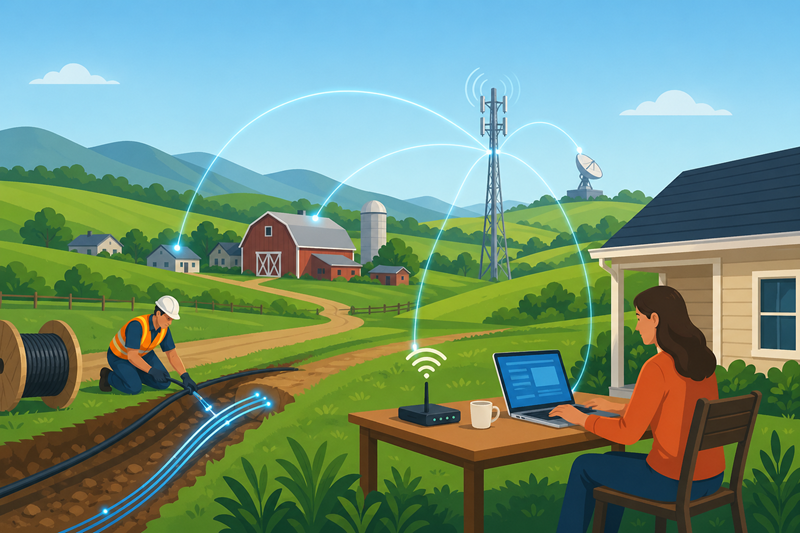
For years, internet companies competed by advertising faster download speeds. But in 2026, the conversation is shifting. Homeowners, remote workers, farmers, students, and small businesses in rural communities are now prioritizing something even more important — reliability.
A connection that stays stable during video calls, supports smart devices without interruptions, and works consistently during peak hours has become the real benchmark for quality service. As infrastructure projects continue across the country, more communities are finally gaining access to dependable connectivity through expanding fiber networks and upgraded broadband systems.
This shift is also changing how people compare plans, and evaluate coverage. Instead of focusing only on maximum speed numbers, users are asking smarter questions about uptime, latency, consistency, and long-term value.
Why Reliability Has Become the Top Priority
Internet speed still matters, but unstable service creates bigger problems than slightly slower downloads. A connection that drops during work meetings or struggles during evening traffic quickly becomes frustrating.
In rural areas especially, reliability affects daily life in practical ways. Families rely on internet access for online learning, telehealth appointments, business operations, and entertainment. When service becomes inconsistent, productivity and communication suffer.
That’s why many households are now looking beyond flashy speed claims and evaluating overall network performance instead.
Consistent Connectivity Supports Modern Living
Today’s households connect far more devices than they did just a few years ago. Smart TVs, security systems, tablets, laptops, gaming consoles, and work devices all compete for bandwidth at the same time.
Reliable networks handle these demands smoothly without constant buffering or outages. This is particularly important for remote professionals who depend on stable upload speeds and uninterrupted conferencing.
As infrastructure expands, more communities are finally gaining access to dependable rural high speed internet that supports modern digital lifestyles without constant interruptions.
The Role of Fiber Expansion in Rural Communities
One of the biggest developments shaping broadband access in 2026 is the rapid expansion of fiber networks into underserved regions.
For years, rural areas depended heavily on older DSL lines, satellite connections, or limited wireless coverage. While these services helped bridge connectivity gaps, many struggled to provide consistent performance during bad weather or peak usage hours.
Fiber expansion is changing that.
What Makes Fiber More Reliable?
Fiber-optic technology transmits data using light signals through glass cables. Unlike older copper infrastructure, fiber experiences less interference, fewer slowdowns, and greater long-term durability.
That reliability makes a major difference for households managing multiple connected devices every day.
Even during high-demand periods, fiber networks typically maintain stable performance. This consistency has become one of the main reasons communities are investing heavily in upgraded broadband infrastructure.
As more regions continue developing broadband access, consumers are increasingly researching rural high speed internet options that offer long-term dependability instead of temporary solutions.
How Government Programs Are Accelerating Expansion
Federal and state funding programs have played a major role in expanding broadband access across rural America.
Infrastructure grants, rural connectivity initiatives, and public-private partnerships are helping providers extend service into previously overlooked regions. These investments are encouraging competition while improving coverage in underserved communities.
Many providers are also focusing on long-term infrastructure rather than short-term stopgaps. That means rural residents now have more opportunities to compare technologies and coverage before committing to a plan.
If you are currently evaluating service availability, it helps to search internet in your area before choosing a provider. Coverage maps and local availability can vary significantly depending on location.
Reliability Matters More Than Advertised Speeds
Many internet plans advertise extremely high speeds, but real-world performance often tells a different story.
A plan promising gigabit downloads may still experience congestion, inconsistent latency, or service interruptions if the infrastructure behind it is weak. In contrast, a slightly slower but stable connection often delivers a better overall experience.
Stability Improves Remote Work and Education
Reliable connectivity has become essential for remote work environments. Video conferencing platforms, cloud collaboration tools, and large file transfers all depend on stable connections.
Students also benefit from consistent service that supports online learning platforms without buffering or unexpected disconnects.
This growing demand for dependable service is pushing providers to prioritize infrastructure quality instead of relying solely on marketing speed benchmarks.
Rural Businesses Need Dependable Internet More Than Ever
Small businesses in rural communities are increasingly operating online. From local retailers to agricultural operations, internet reliability now affects sales, communication, logistics, and customer service.
Even short service disruptions can impact revenue and productivity.
Agriculture Is Becoming More Connected
Modern farming relies heavily on digital technology. Smart irrigation systems, equipment monitoring, GPS-based machinery, and cloud-connected tools all require stable internet access.
Reliable broadband allows agricultural businesses to operate more efficiently while improving access to real-time data and automation.
This is one reason many communities are advocating for expanded fiber internet infrastructure to support economic growth and future innovation.
The Growing Demand for Better Rural Coverage
Consumers are becoming more informed about broadband quality. Instead of choosing the cheapest plan available, many now compare performance, customer support, reliability history, and infrastructure type.
This shift is encouraging providers to improve overall service standards.
Competition Is Improving Rural Internet Choices
As more providers expand into underserved areas, customers often gain access to better pricing and improved service quality.
In some regions, fiber companies now compete directly with fixed wireless and satellite providers. That competition gives consumers more flexibility when selecting plans that match their household needs.
People researching coverage frequently compare technologies to find your best match based on reliability, pricing, and availability.
Satellite and Wireless Still Play Important Roles
Although fiber expansion is growing rapidly, not every rural area can immediately access fiber infrastructure.
In extremely remote locations, fixed wireless and satellite services continue filling important connectivity gaps. Recent improvements in low-earth orbit satellite technology have also helped improve speeds and latency compared to older systems.
For communities waiting on infrastructure expansion, these alternatives can still provide meaningful broadband access.
Many households exploring affordable interne solutions are comparing hybrid connectivity options while waiting for permanent fiber deployment.
Choosing the Right Internet Provider in 2026
Selecting an internet provider today involves more than checking advertised speed tiers.
Consumers should evaluate:
Reliability during peak hours
Customer support quality
Installation timelines
Data caps and hidden fees
Upload performance
Network congestion history
Infrastructure type
Questions to Ask Before Signing Up
Before committing to a plan, ask providers about:
Average uptime performance
Expected latency
Contract requirements
Equipment costs
Service guarantees
Expansion plans in your area
These factors often matter more than raw speed numbers alone.
Residents comparing regional services frequently research the best internet providers to identify networks with stronger reliability records, better customer support, and long-term performance.
Why Reliability Will Continue Driving Broadband Growth
The future of broadband is no longer centered entirely around speed competitions. Most households already have enough speed for streaming, browsing, and daily tasks.
The real challenge is maintaining stable service across multiple devices, during peak usage periods, and in changing weather conditions.
That’s why providers investing in durable infrastructure, modern networks, and consistent performance are gaining consumer trust.
Reliability Supports Long-Term Digital Growth
Reliable internet infrastructure supports economic development, remote employment, healthcare access, online education, and digital entrepreneurship.
Communities with dependable broadband are often better positioned for future growth because residents can work, learn, and operate businesses more effectively.
As network expansion continues across the country, consumers searching for high speed internet in my area are increasingly prioritizing service consistency over maximum speed claims.
The Future of Rural Broadband Looks More Stable
The broadband landscape in 2026 is evolving quickly. Fiber expansion projects, improved wireless technology, and increased infrastructure funding are helping close the digital gap between urban and rural communities.
More importantly, the conversation around internet quality is becoming smarter.
Consumers are realizing that stable connectivity creates a better experience than unreliable ultra-fast plans. That shift is encouraging providers to focus on network performance, infrastructure resilience, and long-term reliability.
For rural communities, that change represents real progress — not just faster downloads, but stronger digital foundations for work, education, healthcare, and everyday life.
FAQs
What makes internet reliability more important than speed?
Reliable internet prevents outages, buffering, and interruptions during daily online activities.
Is fiber internet better for rural areas?
Fiber typically offers more stable performance and lower latency than older broadband technologies.
Can satellite internet still work well in rural communities?
Yes, modern satellite services can provide dependable coverage where fiber is unavailable.
How do I know which provider is available near me?
You can check local coverage maps and compare plans by location online.
Why are rural internet options improving in 2026?
Government funding and infrastructure investments are expanding broadband access nationwide.
Related Posts
 Technology
Wifi
mobile phone plans
Technology
Wifi
mobile phone plans
What Is a Mobile Hotspot and How Does It Work?
A mobile hotspot is a portable feature or device that converts a cellular data connection (like 4G LTE or 5G) into a private Wi-Fi network
 Broadband Deals
cable deal
Broadband Deals
cable deal
Xfinity Cable Package Deals That Actually Deliver Value
Discover the best Xfinity cable package deals, compare internet and TV bundles, understand pricing, and choose the right plan for your home and budget.
 Broadband Deals
What Is TDS Internet and Is It Right for Your Home?
Learn what TDS Internet is, how it works, available plans, pricing, speeds, benefits, and how it compares with other internet providers.
 Internet Bundles
Bundle Internet, TV, and Phone Without Overpaying
Learn how to bundle internet, TV, and phone services for the best value. Compare plans, avoid hidden fees, and choose the right package for your home.
 Broadband Deals
cable deal
cheap internet deals
Broadband Deals
cable deal
cheap internet deals
Chicago Neighborhood Internet Guide for Better Connectivity
Explore internet options across Chicago neighborhoods, compare providers, understand speeds, costs, and find the best broadband solution.