How to Change Your Public IP and Router Address
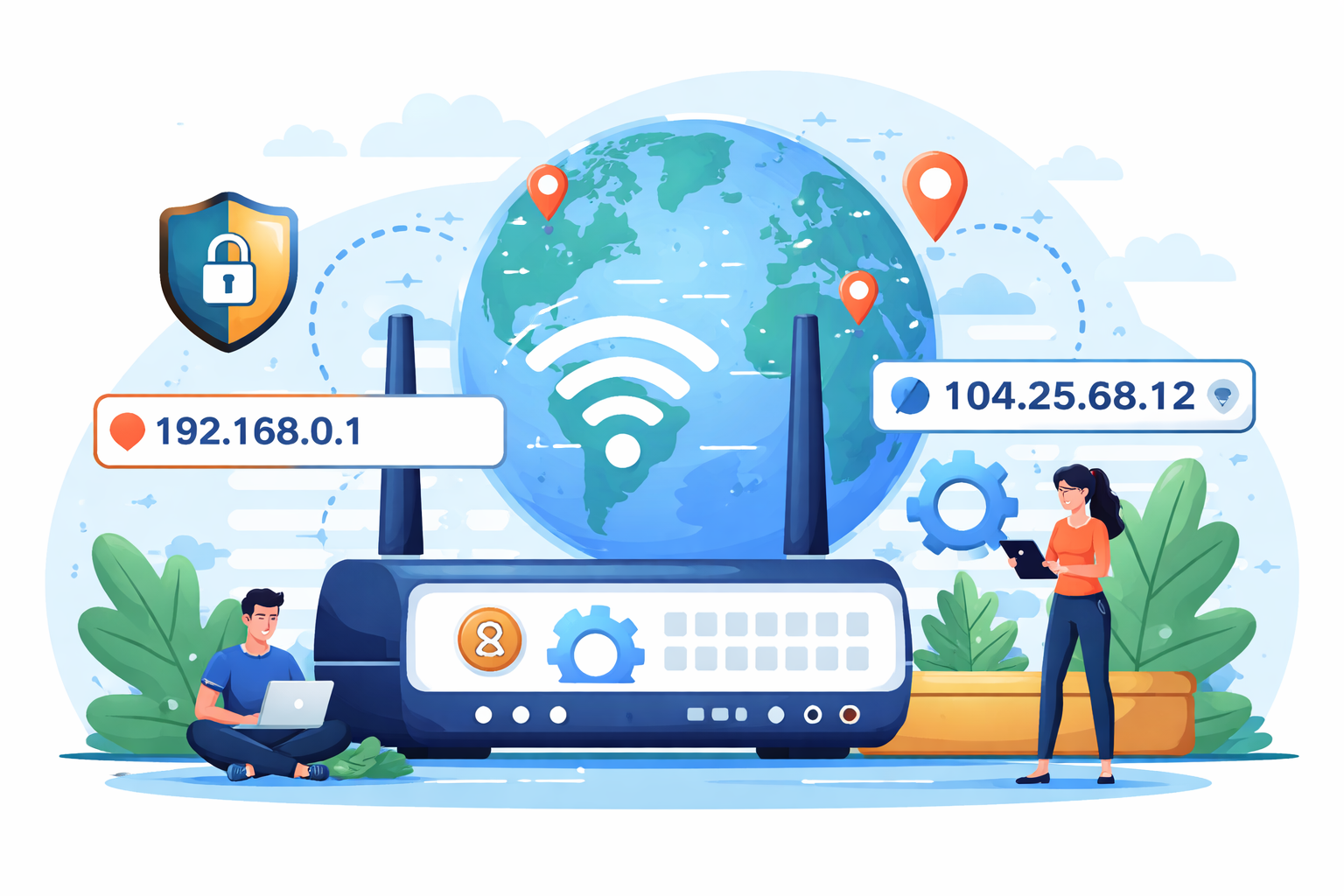
Understanding how to change your public IP and router address can help you troubleshoot network issues, improve privacy, and regain access to restricted content. Whether you’re dealing with connectivity problems or simply want more control over your network, knowing how IP addresses work—and how to modify them—can make a big difference.
In this guide, you’ll learn what IP addresses are, why you might need to change them, and the safest, most effective ways to do it without disrupting your connection.
What Is an IP Address and How Does It Work?
An IP (Internet Protocol) address is a unique numerical identifier assigned to every device connected to a network. It allows devices to communicate with each other and access the internet.
There are two main types of IP addresses:
Public IP Address
This is the address assigned by your Internet Service Provider (ISP). It represents your network on the internet and is visible to websites and online services.
Private (Local) IP Address
This is assigned by your router to devices within your home or office network. It allows devices like laptops, phones, and smart TVs to communicate internally.
Router IP Address
Your router also has its own internal IP address (often something like 192.168.1.1), which is used to access the router’s admin settings.
Why You Might Need to Change Your IP Address
There are several practical reasons to change your IP address, whether public or private.
Bypass Restrictions and Access Content
Some websites and streaming platforms restrict access based on geographic location. Changing your public IP can help you bypass these restrictions.
Fix Network Conflicts
IP conflicts can occur when two devices share the same IP address. This often leads to connection issues or limited access.
If you’re troubleshooting connectivity problems, you might also find it helpful to review common internet connection issues, especially when diagnosing IP-related errors.
Improve Online Privacy
Changing your public IP can make it harder for websites and advertisers to track your activity.
Resolve Misconfigured Settings
Sometimes, a device may be assigned an incorrect static IP, especially after manual configuration or network changes.
Set Up a New Network
When installing a new router or upgrading your network, you may need to adjust IP settings to ensure everything works properly.
Ways to Change Your Public IP Address
Changing your public IP address isn’t always as simple as editing a setting. Since your ISP controls it, your options depend on how your IP is assigned.
Use a VPN for Instant IP Change
A Virtual Private Network (VPN) is the easiest and most effective way to change your public IP. It routes your internet traffic through a remote server, masking your real IP address.
Benefits of using a VPN:
Hides your real location
Encrypts your internet activity
Provides access to geo-restricted content
Use a Proxy Server
A proxy server acts as an intermediary between your device and the internet. Like a VPN, it can mask your IP address, but it typically offers less security.
Restart Your Router
If you have a dynamic IP address, simply restarting your router may assign a new IP. This works because your ISP often rotates IPs periodically.
Steps:
Turn off your router
Wait 5–10 minutes
Turn it back on
Check if your IP has changed
Contact Your ISP
If you’re using a static IP address, you’ll need to contact your ISP to request a change. Some providers may charge a fee or require a valid reason.
How to Change Your Router IP Address
Changing your router’s internal IP address is useful if you’re resolving conflicts or customizing your network setup.
Step-by-Step Process
Access the Router Dashboard
Open a browser and enter your router’s IP address (e.g., 192.168.1.1).Log In as Administrator
Use your admin username and password. If you haven’t changed it, check the default credentials on the router label.Locate Network Settings
Navigate to LAN or Network settings.Change the IP Address
Modify the router’s IP address to a new value (e.g., from 192.168.1.1 to 192.168.0.1).Save and Reboot
Apply changes and restart the router.
Important Tips
Ensure the new IP is within a valid private range
Avoid conflicts with other devices
Update connected devices if needed
How to Change a Device’s Local IP Address
Sometimes, you may need to manually change the IP address of a specific device.
On Windows
Open Network Settings
Select your connection
Go to IP settings and click “Edit”
Choose “Manual” and enter a new IP address
On Mobile Devices
Most smartphones allow you to switch between DHCP (automatic) and static IP settings under Wi-Fi configuration.
Common Mistakes to Avoid
Changing IP settings incorrectly can disrupt your network. Here are a few things to watch out for:
Using an Invalid IP Range
Always use private IP ranges like:
192.168.x.x
10.x.x.x
172.16.x.x to 172.31.x.x
Forgetting to Update Devices
If you change your router’s IP, devices connected to it may need to reconnect or refresh their settings.
Confusing Public vs Private IP
You cannot directly change your public IP from your device settings—it must be done through your ISP or tools like VPNs.
When You Should NOT Change Your IP Address
While changing your IP can be useful, it’s not always necessary.
If your internet is working fine
If you don’t fully understand network settings
If your ISP has strict policies on IP changes
In these cases, it’s best to leave your configuration as is to avoid unnecessary complications.
Final Thoughts
Changing your public IP or router address can help improve privacy, resolve network issues, and give you more control over your internet connection. While some methods are quick and simple—like using a VPN—others require careful configuration to avoid errors.
Understanding the difference between public and private IP addresses is key. With the right approach, you can safely manage your network and troubleshoot issues without disrupting your connection.
Related Posts
 cheap internet plans
mobile phone plans
Broadband Deals
cheap internet plans
mobile phone plans
Broadband Deals
Which Internet Providers Offer a Cheap Mobile Plan?
Discover which internet providers offer a cheap mobile plan when you bundle services. Compare savings, features, and the best options for your budget.
 Broadband Deals
Technology
Broadband Deals
Technology
What Is 5G and Why It Matters for Businesses and Everyday Life
Learn what 5G is, how it works, and why it matters for businesses and consumers. Discover its impact on speed, IoT, automation, and future connectivity.
 Technology
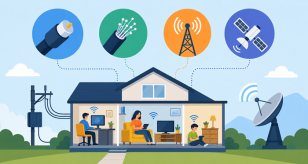
How to Choose High-Speed Satellite Internet for Your Home
Compare the best high-speed satellite internet providers, their features, coverage, speeds, pricing, and tips to choose the right internet service.
 Broadband Deals
cable deal
Broadband Deals
cable deal
How Spectrum Internet Compares to Xfinity, AT&T & HughesNet
Compare Spectrum Internet with Xfinity, AT&T, and HughesNet based on speed, pricing, reliability, technology, and value to choose the right provider.
 cheap internet deals
Best DSL Internet Providers for Reliable Home Internet
Compare the best DSL internet providers, including AT&T, CenturyLink, and Frontier. Learn about speeds, pricing, pros, and how to choose the right plan.