How Much Does Google Fiber Cost Each Month?

Fast, reliable internet has become a necessity for work, streaming, gaming, and smart home devices. If you’ve been researching high-speed fiber internet, there’s a good chance you’ve come across Google Fiber. Known for its ultra-fast speeds and straightforward pricing, the service has become a popular choice in many U.S. cities.
But one question still comes up often: how much does Google Fiber cost per month?
In this guide, we’ll break down monthly pricing, available plans, equipment details, city availability, and what you can realistically expect from the service. We’ll also compare value, speed, and features so you can decide whether it’s the right fit for your household.
Understanding Google Fiber Internet Pricing
When people search for fiber internet, pricing is usually the first concern. The good news is that Google Fiber keeps its structure relatively simple compared to many traditional providers.
The average monthly cost depends on the speed tier you choose and whether the service is available in your area. Unlike many providers that advertise promotional rates and later increase costs, Google Fiber focuses on transparent billing with fewer hidden fees.
Most households can expect plans starting around $70 per month for gigabit-level speeds.
This straightforward approach is one reason many users consider it one of the most reliable choices among modern broadband internet providers.
What Plans Does Google Fiber Offer?
Google Fiber typically offers multiple speed tiers designed for different usage levels. Availability may vary by city, but these are the most common options.
1 Gig Plan
The 1 Gig plan is designed for everyday households that stream, work remotely, attend online classes, and connect multiple devices at once.
Typical features include:
Download speeds up to 1 Gbps
Equal upload speeds
Wi-Fi equipment included
Unlimited data
No annual contracts
For most families, this plan offers more than enough speed for smooth performance across multiple devices.
If you want to compare available google fiber plans, reviewing the official service listings can help you understand current pricing and regional availability.
2 Gig Plan
The 2 Gig plan is built for heavier internet users who regularly stream in 4K, game online competitively, upload large files, or run smart home systems.
This package usually includes:
Faster download and upload speeds
Advanced Wi-Fi hardware
Better support for large households
Higher bandwidth for simultaneous connections
While it costs more monthly, it’s often worth considering for power users.
Multi-Gig Plans
In select cities, Google Fiber has expanded into even faster multi-gig offerings. These premium plans are intended for advanced users, creators, and businesses that rely on extremely high bandwidth.
Availability changes by region, so checking local coverage remains important before making a decision.
What Is Included in the Monthly Cost?
One major advantage of Google Fiber is simplicity.
Many internet companies add separate charges for installation, equipment rental, or data overages. Google Fiber generally avoids these issues.
Monthly pricing often includes:
Fiber-optic internet connection
Wi-Fi router equipment
Unlimited usage
Basic installation
Technical support
This makes budgeting easier because your bill remains more predictable month after month.
That transparency is a major reason people researching broadband internet services frequently place fiber providers at the top of their list.
Are There Hidden Fees?
Compared to traditional cable companies, Google Fiber is known for reducing surprise charges.
Still, there are a few situations where additional costs may apply:
Installation Upgrades
Some homes may require specialized setup work depending on the property layout.
Optional Mesh Wi-Fi Systems
Larger homes sometimes benefit from extra mesh equipment for better coverage.
Taxes and Government Charges
Like most utility-style services, local taxes can slightly increase the final monthly bill.
Overall, though, the pricing structure is still cleaner than many competing providers.
Cities Where Google Fiber Is Available
Google Fiber isn’t available nationwide yet, but the service continues expanding into more metropolitan areas.
Some cities with Google Fiber access include:
Kansas City
Austin
Atlanta
Charlotte
Nashville
Salt Lake City
San Antonio
Raleigh-Durham
Mesa
Omaha
Coverage within cities can vary by neighborhood, so availability checks are always necessary before ordering service.
If you’re comparing options across regions, exploring the best Internet Providers can help you evaluate what alternatives exist in your location.
Is Google Fiber Worth the Price?
Value depends on how you use the internet daily.
For light users who only browse occasionally, cheaper cable or wireless plans may seem appealing. However, households with multiple users usually benefit from the consistency and speed fiber delivers.
Here’s where Google Fiber stands out:
Consistent Speeds
Fiber networks are generally more stable than cable connections, especially during peak hours.
Faster Upload Performance
Unlike many cable providers, fiber delivers strong upload speeds too, which helps with:
Video conferencing
Cloud backups
Content creation
Gaming
Large file transfers
No Data Caps
Unlimited usage means you don’t need to monitor monthly consumption.
Better Long-Term Reliability
Fiber infrastructure tends to handle growing internet demands more effectively over time.
These advantages help justify the monthly pricing for many users.
How Google Fiber Compares to Cable and 5G Internet
Choosing between internet types can feel confusing because every provider markets itself as the fastest option.
The reality is that each technology has strengths and weaknesses.
Fiber Internet
Fiber delivers the fastest and most consistent speeds available for residential users.
Best for:
Remote work
Streaming
Gaming
Smart homes
Large households
Cable Internet
Cable remains widely available and can still provide solid performance, though speeds may fluctuate during busy hours.
5G Home Internet
5G home internet has grown rapidly and can work well in certain areas, especially where fiber isn’t available.
If you want a deeper comparison between these technologies, this guide on fiber, cable, or 5g explains the strengths and tradeoffs of each option in more detail.
Choosing the Right Plan for Your Household
Not every home needs the fastest internet package available.
The right plan depends on:
Number of users
Streaming habits
Gaming activity
Remote work needs
Smart device usage
Small Households
1 Gig service is usually more than enough for couples or small families.
Large Families
Homes with many simultaneous users may benefit from higher-speed plans.
Gamers and Creators
Multi-gig options can help with latency-sensitive activities and large uploads.
If you’re still unsure which package fits your needs, reading about the best internet plan in the USA can help narrow down the ideal speed tier.
Does Google Fiber Offer Unlimited Data?
Yes, Google Fiber generally includes unlimited data with its residential plans.
That’s especially important for households that:
Stream constantly
Download large games
Work remotely
Use cloud storage
Operate connected smart devices
Unlimited access eliminates the worry of overage charges or throttled speeds.
For households prioritizing unrestricted usage, these insights on unlimited internet plans in the USA may also help compare other no-cap providers.
Internet Speed vs. Monthly Cost
Many consumers focus only on the monthly bill without considering value per speed.
A cheaper internet package may appear attractive initially, but slower performance often creates frustration later.
When evaluating internet services, consider:
Cost per Mbps
Upload capability
Reliability
Equipment quality
Customer support
Long-term pricing stability
In many cases, fiber provides stronger overall value despite slightly higher monthly costs.
Tips Before Signing Up
Before ordering Google Fiber, it’s smart to review a few details first.
Check Availability Carefully
Fiber coverage can vary block by block within the same city.
Review Your Device Compatibility
Older routers and devices may not fully benefit from gigabit speeds.
Understand Your Household Usage
Avoid overpaying for bandwidth you won’t actually use.
Compare Competing Providers
Local cable or fiber competitors may offer promotional deals worth reviewing.
Common Factors That Affect Your Monthly Bill
Several variables can influence the total amount you pay each month.
Speed Tier
Higher-speed plans naturally cost more.
Add-On Equipment
Additional mesh systems or premium hardware can increase monthly expenses.
Taxes and Regional Fees
Local regulations may slightly affect final pricing.
Bundled Services
Some markets may eventually offer additional service bundles.
Understanding these details helps prevent surprises after installation.
Final Thoughts
Google Fiber continues to stand out as one of the strongest fiber internet options available in the U.S. Its transparent pricing, fast speeds, unlimited data, and reliable performance make it attractive for both families and heavy internet users.
For most households, the monthly cost feels reasonable when compared to the speed and consistency delivered. While availability remains limited in some regions, expansion efforts continue bringing fiber access to more cities every year.
If reliable high-speed internet matters to your home, Google Fiber is absolutely worth considering.
FAQs
How much does Google Fiber cost monthly?
Most plans start around $70 per month depending on speed and location.
Does Google Fiber include equipment fees?
Wi-Fi equipment is usually included with most residential plans.
Is Google Fiber available nationwide?
No, availability is currently limited to select U.S. cities.
Does Google Fiber have data caps?
No, most plans include unlimited data usage.
Is Google Fiber better than cable internet?
Fiber typically offers faster and more reliable performance than cable connections.
Related Posts
 cheap internet plans
mobile phone plans
Broadband Deals
cheap internet plans
mobile phone plans
Broadband Deals
Which Internet Providers Offer a Cheap Mobile Plan?
Discover which internet providers offer a cheap mobile plan when you bundle services. Compare savings, features, and the best options for your budget.
 Broadband Deals
Technology
Broadband Deals
Technology
What Is 5G and Why It Matters for Businesses and Everyday Life
Learn what 5G is, how it works, and why it matters for businesses and consumers. Discover its impact on speed, IoT, automation, and future connectivity.
 Technology
How to Choose High-Speed Satellite Internet for Your Home
Compare the best high-speed satellite internet providers, their features, coverage, speeds, pricing, and tips to choose the right internet service.
 Broadband Deals
cable deal
Broadband Deals
cable deal
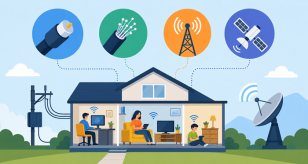
How Spectrum Internet Compares to Xfinity, AT&T & HughesNet
Compare Spectrum Internet with Xfinity, AT&T, and HughesNet based on speed, pricing, reliability, technology, and value to choose the right provider.
 cheap internet deals
Best DSL Internet Providers for Reliable Home Internet
Compare the best DSL internet providers, including AT&T, CenturyLink, and Frontier. Learn about speeds, pricing, pros, and how to choose the right plan.