How to Choose High-Speed Satellite Internet for Your Home
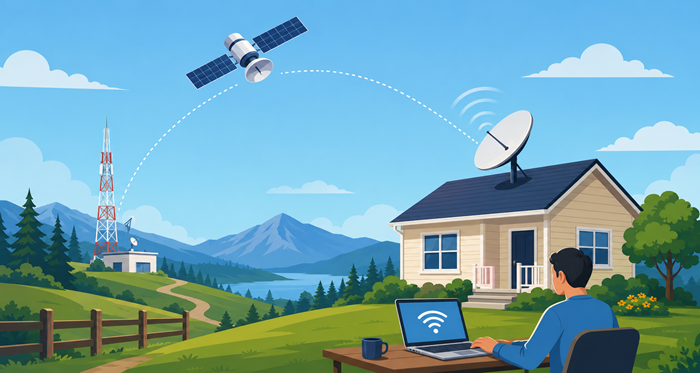
Satellite internet has come a long way over the past few years. What was once considered a last-resort option for rural communities has become a reliable solution for households, businesses, travelers, and remote workers who need dependable online access where cable and fiber aren’t available. As new technologies continue to improve speed, latency, and coverage, choosing among today’s high-speed satellite internet providers can feel overwhelming.
Whether you’re living in a remote area, running a business outside city limits, or simply exploring alternatives to traditional broadband, understanding how satellite internet works can help you make a smarter decision. Different providers offer unique advantages, from nationwide coverage and flexible plans to cutting-edge low-orbit satellite technology.
If you’re comparing plans before making a decision, browsing the best internet providers can give you a broader understanding of the internet services available across different regions and technologies.
Why Satellite Internet Is Becoming More Popular
Reliable internet access has become essential for work, education, entertainment, healthcare, and staying connected with family. Unfortunately, millions of people still live in areas where fiber or cable networks haven’t reached.
That’s where high-speed satellite internet providers are making a significant difference. Modern satellite networks now deliver faster download speeds, better reliability, and wider coverage than ever before. Instead of relying on underground cables, they transmit data between your home and satellites orbiting the Earth, making internet access possible almost anywhere with a clear view of the sky.
Today’s improvements in satellite technology have also reduced many of the issues that affected older systems, giving users a much smoother online experience.
How Satellite Internet Works
Understanding the technology behind satellite internet helps explain both its strengths and limitations.
Communication Through Satellites
A satellite internet connection begins with a dish installed at your property. The dish communicates with satellites in orbit, which then relay data between your location and ground stations connected to the internet.
Because no physical cables are required between your home and the provider’s network, satellite internet remains one of the few options available in extremely remote locations.
Types of Satellite Networks
Modern services generally use one of two satellite systems:
Geostationary satellites that remain fixed above the Earth
Low Earth Orbit (LEO) satellites that orbit much closer to the planet
Each approach offers different advantages regarding speed, latency, installation, and network performance.
Benefits of Choosing High-Speed Satellite Internet Providers
Many people assume satellite internet is only useful when no other option exists. While that may have been true years ago, today’s services provide several compelling benefits.
Coverage Almost Anywhere
Perhaps the biggest advantage is accessibility. Unlike fiber or cable, satellite service doesn’t require extensive underground infrastructure. As long as your property has an unobstructed view of the sky, installation is usually possible.
This makes high-speed satellite internet providers ideal for:
Rural homes
Farms and ranches
Mountain cabins
Construction sites
Recreational vehicles
Vacation properties
Fast Installation
Installing cable or fiber may take weeks or even months if network expansion is required. Satellite internet installations are generally much faster because technicians only need to install outdoor equipment and configure the connection.
Consistent Availability
Natural disasters, construction work, or damaged underground cables can interrupt traditional broadband services. Since satellite internet relies on space-based infrastructure, it often provides an alternative source of connectivity when terrestrial networks experience outages.
Features to Compare Before Selecting a Provider
Not every provider offers the same experience. Comparing the following factors will help you choose a plan that matches your internet usage.
Download and Upload Speeds
Internet speed affects nearly everything you do online, including streaming, gaming, video meetings, cloud backups, and downloading large files.
Many high-speed satellite internet providers now offer speeds suitable for everyday activities, although actual performance varies depending on network congestion, location, and plan selection.
If speed is your highest priority, it’s worth exploring the fastest internet providers to understand how satellite services compare with fiber, cable, and fixed wireless options.
Monthly Data Allowances
Some providers offer unlimited data with speed management during periods of heavy network usage, while others include monthly priority data limits before reducing performance.
Before choosing a plan, estimate your monthly internet usage by considering:
Streaming habits
Remote work requirements
Online gaming
Video conferencing
Number of connected devices
Selecting the right data allowance can help avoid slowdowns during busy periods.
Latency
Latency measures how quickly data travels between your device and the internet.
Older satellite systems typically experience higher latency because signals travel much farther. Newer technologies have significantly reduced delays, making video calls, online collaboration, and many interactive applications much smoother than in previous generations.
Equipment Requirements
Most providers require professionally installed equipment that includes:
Satellite dish
Mounting hardware
Modem
Indoor Wi-Fi router
Some companies lease equipment, while others allow customers to purchase it outright. Be sure to compare installation costs and equipment fees before signing a contract.
Comparing Popular Satellite Internet Services
The satellite internet market has become increasingly competitive, giving consumers more choices than ever before.
Traditional providers continue upgrading their infrastructure, while newer companies are introducing innovative technologies that improve speed and responsiveness.
Many consumers researching satellite options often compare starlink global high-speed satellite internet with long-established providers to determine which solution best fits their location, budget, and internet usage.
At the same time, many households still evaluate hughesnet high-speed satellite internet because of its broad availability and long-standing presence in rural communities.
If you’re specifically weighing the strengths and limitations of two well-known satellite services, reading a detailed comparison of viasat vs hughesNet can provide additional insight into speed, performance, and overall value.
Low-Earth Orbit vs Traditional Satellite Networks
The latest generation of low-Earth orbit satellite technology has introduced lower latency and improved responsiveness for activities like video conferencing, cloud applications, and online gaming. If you’re interested in understanding how these newer networks compare with conventional satellite services, this detailed guide on starlink vs traditional ISPs explains the key differences in performance, coverage, pricing, and overall user experience.
Is Satellite Internet Right for Your Home?
Choosing satellite internet depends largely on where you live and how you use the internet every day.
For families with limited broadband options, high-speed satellite internet providers can provide reliable connectivity for streaming, online learning, remote work, web browsing, and video conferencing.
People living in cities with access to fiber or cable may still prefer those technologies because of lower latency and higher maximum speeds. However, for underserved regions, satellite internet continues to close the digital divide by delivering dependable service where traditional infrastructure simply doesn’t exist.
As technology continues to evolve, satellite internet is becoming an increasingly practical choice for users who need reliable connectivity without relying on conventional wired networks.
Common Myths About Satellite Internet
Despite major advancements, a few outdated misconceptions still influence how people view satellite internet. Understanding the facts can help you make a more informed decision.
Myth 1: Satellite Internet Is Always Slow
This was often true years ago, but today’s high-speed satellite internet providers offer plans capable of supporting HD streaming, video conferencing, online classes, and everyday browsing. Performance depends on the provider, your plan, and local network conditions rather than the technology alone.
Myth 2: Bad Weather Always Disconnects Your Service
Heavy rain or severe storms can temporarily affect the signal, but modern equipment is designed to minimize disruptions. Most users experience reliable service throughout the year, with only occasional interruptions during extreme weather events.
Myth 3: It’s Only for Rural Homes
While rural communities remain the primary audience, satellite internet also serves vacation homes, construction sites, mobile businesses, emergency response teams, RV travelers, and locations where installing wired infrastructure isn’t practical.
Tips for Choosing the Right Satellite Internet Provider
Selecting the right service isn’t just about advertised speeds. Consider the complete package before making your decision.
Check Coverage First
Even though satellite coverage is extensive, available plans, equipment, and service quality may vary depending on your location. Confirm availability before comparing pricing.
Understand Contract Terms
Some providers require long-term agreements, while others offer more flexibility. Review cancellation policies, equipment charges, installation fees, and promotional pricing before signing up.
Compare Total Monthly Cost
The lowest advertised price doesn’t always represent the final monthly bill. Include equipment rental, taxes, installation charges, and any optional add-ons when comparing providers.
Read Real Customer Experiences
Independent reviews often reveal how a provider performs in real-world conditions, including customer support, billing practices, and consistency during peak usage hours.
If you’re specifically researching one of the industry’s longest-running providers, our detailed hughesnet satellite internet review covers plans, pricing, features, and who it’s best suited for.
The Future of Satellite Internet
Satellite internet continues to evolve rapidly. Companies are investing billions in new satellites, upgraded ground infrastructure, and improved networking technologies.
Future developments are expected to deliver:
Faster download and upload speeds
Lower latency for interactive applications
Better support for smart homes
Improved reliability during peak usage
Expanded global coverage
Growing competition among high-speed satellite internet providers is also encouraging innovation, giving consumers more choices and better value than ever before.
Some users also explore alternatives like dishnet high-speed satellite internet while comparing available broadband options, although features and availability may differ by region.
As satellite technology advances, the gap between satellite and traditional broadband continues to narrow, making it an increasingly attractive option for households that previously had limited internet choices.
Conclusion
Reliable internet should never depend on where you live. Thanks to continuous innovation, high-speed satellite internet providers now offer practical solutions for millions of homes and businesses beyond the reach of cable or fiber networks.
Whether your priority is wider coverage, dependable connectivity, or flexible installation, taking the time to compare speeds, pricing, data policies, equipment, and customer support will help you find the right provider for your needs.
The satellite internet landscape will continue evolving in the years ahead, giving consumers even better performance and greater flexibility. By understanding your requirements and evaluating providers carefully, you’ll be well positioned to choose a service that keeps you connected wherever life takes you.
Frequently Asked Questions
1. What is satellite internet?
Satellite internet delivers an internet connection through satellites instead of cable or fiber lines.
2. Is satellite internet good for streaming?
Yes, most modern plans easily support HD streaming and everyday entertainment.
3. Can I get satellite internet in rural areas?
Yes, satellite internet is one of the best connectivity options for rural and remote locations.
4. Does weather affect satellite internet?
Severe weather may cause temporary interruptions, but modern systems are generally reliable.
5. How do I choose the best satellite internet provider?
Compare coverage, speed, pricing, data limits, equipment costs, and customer reviews before deciding.
Related Posts
 Broadband Deals
cable deal
Broadband Deals
cable deal
How Spectrum Internet Compares to Xfinity, AT&T & HughesNet
Compare Spectrum Internet with Xfinity, AT&T, and HughesNet based on speed, pricing, reliability, technology, and value to choose the right provider.
 cheap internet deals
Best DSL Internet Providers for Reliable Home Internet
Compare the best DSL internet providers, including AT&T, CenturyLink, and Frontier. Learn about speeds, pricing, pros, and how to choose the right plan.
 Internet Bundles
How to Temporarily Pause Your Internet Service and Save Money
Learn how to temporarily pause your internet service, avoid cancellation fees, save money during travel, and easily restore your connection when needed.
 Broadband Deals
Broadband Installation
Broadband Deals
Broadband Installation
CenturyLink in Farmington: A Complete Guide for Local Users
Explore CenturyLink Farmington plans, pricing, installation, performance, and expert tips to choose the best home internet service for your needs.
 Technology
Wifi
mobile phone plans
Technology
Wifi
mobile phone plans
What Is a Mobile Hotspot and How Does It Work?
A mobile hotspot is a portable feature or device that converts a cellular data connection (like 4G LTE or 5G) into a private Wi-Fi network