How Long Does It Take to Switch Phone Carriers?
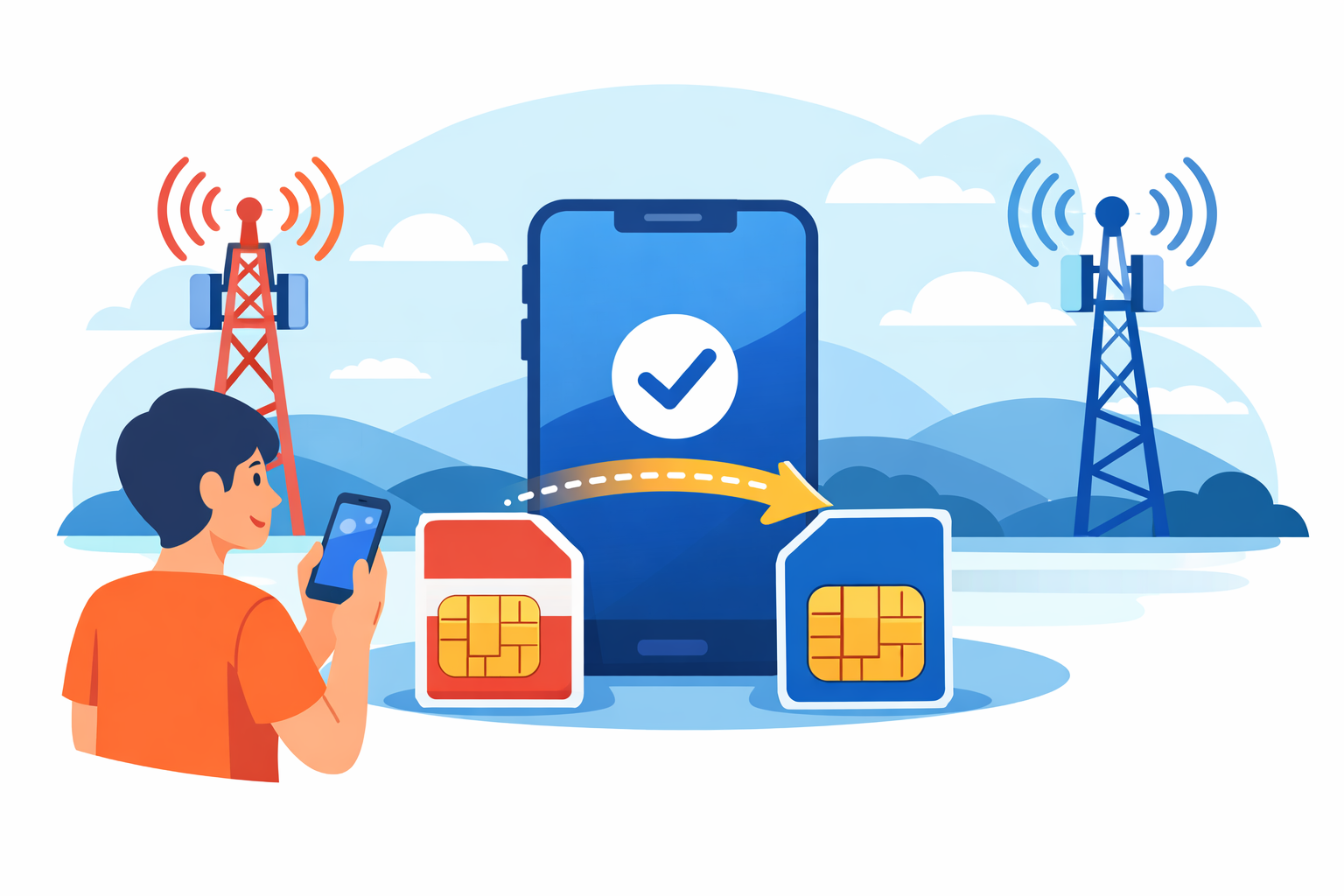
Switching phone carriers might seem like a straightforward process, but the timeline can vary depending on your current provider, the new plan you choose, and even your location. Understanding the steps involved and what to expect can help you avoid service interruptions and make the transition smooth. In this article, we’ll break down everything you need to know about how long it takes to switch phone carriers, along with tips for a hassle-free transfer.
Why People Switch Phone Carriers
Many customers switch carriers for better service, more affordable plans, or faster data. Some are motivated by promotions or the desire to consolidate devices and services. Before initiating a switch, it’s important to evaluate your current plan and determine whether your goals are coverage, data, or cost savings.
Switching carriers can sometimes feel overwhelming, but knowing the expected time frames can help you plan ahead. For example, if you’re considering a cheap internet provider, you may want to ensure that coverage in your area meets your needs before making the switch.
Understanding the Carrier Switching Process
Switching phone carriers generally involves several key steps:
1. Checking Your Current Contract
Before you switch, review your current contract. Some carriers may charge early termination fees if you leave before the contract ends. Knowing this information upfront helps prevent unexpected costs. If you’re on a month-to-month plan, you typically have more flexibility.
2. Selecting a New Carrier
Once you’ve assessed your current plan, research new carriers. Look for a provider that offers reliable coverage and affordable plans. You can explore data-only plans if you primarily use internet data and don’t require traditional voice services. Choosing the right plan at the outset reduces complications during the switch.
3. Porting Your Phone Number
One common reason people hesitate to switch is the fear of losing their phone number. Fortunately, most carriers allow number porting, which transfers your existing number to the new provider. Porting usually takes a few hours to a full day, but in some cases, it may take several business days depending on the carriers involved. Starting the process early ensures minimal downtime.
Typical Timeline for Switching Carriers
Understanding how long each stage takes helps set expectations:
1. Immediate Activation
Some carriers provide instant activation once you purchase a new plan. This is common for prepaid or SIM-only plans. In such cases, your service can switch within minutes to a few hours.
2. Standard Transfer
For most postpaid plans, switching takes 1–3 business days. During this time, the new carrier verifies your information, initiates number porting, and sets up your account. You may receive a temporary SIM card or a digital eSIM for quick setup.
3. Delays and Exceptions
Certain factors can extend the switching timeline. These include:
- Incomplete account information with your current carrier
- Outstanding payments or unpaid balances
- Technical issues with number porting
- Carrier-specific verification procedures
By proactively ensuring your account details are accurate, you can avoid unnecessary delays.
How to Make the Switch Seamless
To avoid service interruptions and frustration, follow these tips:
1. Gather Account Information
Collect your current account number, PIN, and billing details before contacting your new carrier. Having this information ready streamlines verification.
2. Plan Your Switch Around Billing Cycles
Switching mid-billing cycle can sometimes result in partial charges or prorated bills. Coordinating your switch with your billing cycle helps you manage costs efficiently.
3. Test Coverage Before Fully Committing
If you’re switching to a new provider, test the coverage in areas where you use your phone most. This ensures reliable data and call service.
4. Prepare Your Device
Make sure your phone is compatible with the new carrier. Unlock it if necessary, as some carriers require unlocked phones to activate their SIM cards.
Choosing the Right Plan for Your Needs
Switching carriers is an excellent opportunity to reevaluate your phone usage. Many customers benefit from:
- Unlimited data plans: Perfect for frequent streaming or remote work.
- Data-only plans: Ideal for tablets, secondary devices, or home internet solutions.
- Affordable prepaid plans: Great for budget-conscious users seeking flexibility.
Additionally, apps for internet calls can save costs and reduce reliance on cellular voice minutes. Popular solutions include internet calling apps, which are compatible with most data-focused plans.
Common Questions About Carrier Switching
Will I Lose My Number?
No. Most carriers allow you to port your existing number. Start the process with your new provider, and they will coordinate with your current carrier.
How Long Will My Old Service Work?
Your current service typically remains active until the number porting is complete. This overlap prevents downtime.
Are There Extra Fees?
Check for early termination fees or remaining device payments. Prepaid plans usually don’t have penalties, but postpaid plans may.
Can I Switch Online?
Yes. Many carriers offer online sign-ups and number porting, making it convenient to switch without visiting a store.
How Technology Impacts Switching Time
Modern solutions like eSIMs and digital activation have significantly reduced switching times. Instead of waiting days for a physical SIM card, eSIM technology allows instant activation on compatible devices. This is especially useful for those who rely heavily on mobile internet or need to stay connected during travel.
Planning for a Smooth Transition
Effective planning ensures your switch is efficient:
- Confirm your billing cycle
- Back up important data
- Notify contacts of temporary service interruptions
- Monitor service quality during the first week
Following these steps helps maintain connectivity and reduces stress during the transition.
Conclusion
Switching phone carriers doesn’t have to be complicated. On average, most people can complete the process within 1–3 business days, though it can be faster or slower depending on the providers involved. Preparing your account information, testing coverage, and choosing a plan that suits your needs are the best ways to ensure a seamless experience. Whether you’re seeking affordable plans, reliable service, or better data options, a smooth carrier switch is entirely achievable with the right approach.
Related Posts
 cheap internet deals
Wifi
cheap internet deals
Wifi
The Hidden Internet Wi-Fi Fees That Inflate Your Monthly Bill
Learn about hidden internet Wi-Fi fees that quietly increase your monthly bill and discover practical ways to lower your long-term internet costs.
 Technology
Top Tech Trends Changing Everyday Life in 2026
Explore the biggest tech trends shaping 2026, including AI, 5G, smart homes, cybersecurity, blockchain, and the future of remote work.
 Technology
Best AI Tools for Automating Daily Work Faster
Discover the best AI tools to automate repetitive work, improve productivity, streamline workflows, and help businesses save valuable time daily.
 cheap internet deals
cheap internet plans
mobile phone plans
cheap internet deals
cheap internet plans
mobile phone plans
Best MetroPCS Family Plan Options for Saving Money
Explore the best MetroPCS family plan options, pricing, features, and savings tips to find affordable wireless service for your household.
 cable deal
cheap internet plans
Wifi
cable deal
cheap internet plans
Wifi
Affordable Internet Services in Columbus, Ohio
Compare affordable internet services in Columbus, OH. Discover top providers, fiber vs cable options, pricing tips, and how to choose the right plan.