Affordable Internet Services in Columbus, Ohio

Finding reliable internet in Columbus shouldn’t feel like a guessing game. Whether you work remotely, stream in 4K, manage a smart home, or simply need dependable connectivity for everyday browsing, choosing the right provider matters more than ever. Columbus residents now have access to a wide range of plans, speeds, and technologies designed for different budgets and household needs.
From fiber and cable to satellite and fixed wireless, the city offers several competitive options that make it easier to stay connected without overspending. If you’ve been searching for dependable internet services in Columbus, Ohio, this guide breaks down the leading providers, what to look for in a plan, and how to avoid paying for speed or features you don’t actually need.
Why Columbus Residents Have More Internet Choices Than Ever
Columbus has grown rapidly over the last several years, and internet infrastructure has expanded along with it. Many neighborhoods now have access to multiple providers competing for customers, which creates better pricing opportunities and more flexible plans.
Households today rely on internet access for nearly everything:
Remote work and virtual meetings
Online learning
Streaming movies and live sports
Gaming
Smart home devices
Small business operations
Because of this demand, providers continue improving network coverage and download speeds across the city.
If you’re comparing options and researching the cheap internet service providers in Columbus, it helps to understand which type of connection works best for your home and usage habits.
Types of Internet Services Available in Columbus
Not every provider uses the same technology. Understanding the difference can help you avoid choosing a plan that doesn’t fit your household.
Fiber Internet
Fiber is currently the fastest and most reliable option available in many parts of Columbus. It delivers symmetrical upload and download speeds, making it ideal for remote workers, gamers, and homes with multiple users online at once.
Benefits include:
Faster speeds
Lower latency
Better streaming quality
Strong performance during peak hours
The downside is availability. Fiber coverage still varies by neighborhood.
Cable Internet
Cable remains one of the most widely available internet options in Columbus. It offers strong download speeds at competitive pricing, making it a practical choice for families and average users.
Cable internet performs well for:
Streaming
Video conferencing
Online gaming
Multiple connected devices
Fixed Wireless Internet
Fixed wireless is growing in suburban and underserved areas. It uses radio signals rather than physical cable lines.
This option can work well for:
Rural neighborhoods
Smaller households
Users with moderate internet needs
Satellite Internet
Satellite internet is often used in areas where wired infrastructure is limited. While speeds have improved over time, weather conditions and latency can still affect performance.
Some users comparing rural connectivity solutions often research hughesnet internet when traditional cable or fiber services are unavailable.
Top Internet Providers Serving Columbus, Ohio
Columbus residents typically have access to several major national and regional providers. Availability depends heavily on ZIP code and neighborhood infrastructure.
AT&T
AT&T offers both fiber and DSL-based services in select Columbus areas. Fiber plans are particularly attractive for users who prioritize speed consistency and low latency.
Many residents specifically look into at&t internet because of its fiber network expansion and bundled service options.
Spectrum
Spectrum has broad availability throughout Columbus and remains a popular cable provider for residential households.
Customers often choose spectrum internet services because there are no annual contracts on many plans, and speeds are generally suitable for streaming-heavy homes.
Comcast Business
For commercial users and remote professionals operating from home offices, comcast business solutions may provide stronger reliability features, business-grade support, and scalable bandwidth options.
Local and Regional Providers
Smaller providers can sometimes offer competitive pricing or specialized service areas. In some neighborhoods, local providers may deliver better customer support experiences than large national companies.
How to Choose the Right Internet Plan
Many people overpay for internet because they buy more speed than they realistically need. The right plan depends on your daily usage patterns.
For Casual Browsing
If your household mainly uses email, social media, and occasional streaming, lower-tier plans are usually sufficient.
For Families
Homes with multiple users streaming, gaming, or working remotely should prioritize higher download speeds and stable performance.
For Gamers and Remote Workers
Low latency matters just as much as speed. Fiber connections are often the best fit for these users.
For Rural Areas
Satellite or fixed wireless may be the only available solutions. Comparing performance and pricing carefully is important before committing.
If you’re unsure how much bandwidth your household actually needs, this guide on how to select the best internet plan in the us can help simplify the decision-making process.
Important Factors Beyond Speed
Speed is important, but it’s not the only thing that determines internet quality.
Reliability
Consistent uptime matters more than occasional peak speed numbers. Frequent outages quickly become frustrating for remote work and streaming.
Upload Speeds
Many users overlook upload performance until they begin video conferencing or uploading large files.
Data Caps
Some providers impose monthly data limits. Heavy streamers and gamers should verify whether plans include unlimited usage.
Contract Terms
Promotional pricing often increases after the first year. Always check:
Contract length
Equipment fees
Installation costs
Price increases after promotions end
Customer Support
Reliable customer service becomes extremely valuable when outages occur or billing issues arise.
Best Internet Options for Different Household Types
Students and Apartment Renters
Smaller plans with moderate speeds usually provide enough performance for studying, streaming, and video calls.
Large Families
Families with multiple simultaneous users benefit from higher-speed cable or fiber packages.
Remote Workers
Stable upload speeds and low latency should be top priorities for home office setups.
Seniors
Simple plans with straightforward billing and reliable connectivity often work best for older adults who mainly browse and stream.
Comparing Fiber vs Cable in Columbus
Fiber and cable are the two dominant choices in most Columbus neighborhoods.
If fiber is available at your address and fits your budget, it’s usually the stronger long-term option.
Common Mistakes People Make When Buying Internet
Many households make avoidable mistakes when signing up for service.
Choosing Based Only on Advertised Speed
Marketing numbers don’t always reflect real-world performance.
Ignoring Equipment Fees
Monthly router or modem rental charges add up over time.
Overlooking Coverage Maps
A provider may advertise citywide service while offering weaker performance in certain neighborhoods.
Not Reading Promotional Fine Print
Introductory pricing often expires after 12 months.
Tips to Lower Your Monthly Internet Bill
You don’t always need to switch providers to reduce costs.
Buy Your Own Equipment
Using your own modem and router can eliminate recurring rental fees.
Negotiate During Renewal Periods
Many providers offer retention discounts when existing customers call before renewal periods end.
Bundle Carefully
Bundling internet with TV or mobile services can save money — but only if you actually use the extra services.
Compare Competitor Promotions
Competition between providers in Columbus often creates promotional opportunities.
When researching providers and comparing packages, many consumers start by checking the best internet provider in my area to narrow down the strongest options near their ZIP code.
Satellite Internet vs Traditional Broadband
Satellite internet has improved significantly in recent years, but it still serves a different purpose than cable or fiber.
Traditional broadband usually offers:
Lower latency
Faster real-world performance
Better gaming support
More stable streaming
Satellite options remain valuable for remote or rural users who lack wired infrastructure.
Consumers comparing rural internet providers often explore the differences between Viasat vs HughesNet before making a decision.
The Future of Internet Connectivity in Columbus
Columbus continues investing in infrastructure upgrades and broadband expansion. More neighborhoods are gaining access to faster fiber networks, while competition among providers is helping drive improved pricing and customer incentives.
Emerging technologies and increasing remote work trends will likely continue pushing providers toward:
Faster speeds
Lower latency
Expanded coverage
More flexible plan options
This competition ultimately benefits consumers looking for affordable and dependable connectivity.
Final Thoughts
Finding the right internet services in Columbus, Ohio comes down to balancing speed, reliability, availability, and cost. The best provider for one household may not be the right fit for another.
Before choosing a plan, evaluate how your household actually uses the internet, compare total monthly costs beyond promotional pricing, and verify service availability at your address.
Whether you need fast fiber for remote work, dependable cable for family streaming, or satellite service in a rural area, Columbus offers more internet choices today than ever before.
For readers wanting to continue their research, exploring these best internet service providers questions and topics can help answer many common concerns before selecting a provider.
FAQs
What is the best type of internet connection in Columbus, Ohio?
Fiber internet is generally considered the fastest and most reliable option where available.
How much internet speed does a family need?
Most families do well with speeds between 300 Mbps and 1 Gbps depending on usage.
Is fiber internet better than cable?
Fiber typically offers faster upload speeds and lower latency than cable.
Can I get affordable internet in Columbus?
Yes, many providers offer competitive promotional pricing and budget-friendly plans.
What should I check before signing an internet contract?
Review pricing after promotions, equipment fees, data caps, and contract length.
Related Posts
 cable deal
cheap internet deals
Internet Bundles
cable deal
cheap internet deals
Internet Bundles
Internet Companies in Phoenix AZ: Find the Right Connection
Compare internet companies in Phoenix AZ by speed, coverage, pricing, and reliability to find the best home internet plan for your needs and budget.
 cheap internet deals
mobile phone plans
cheap internet deals
mobile phone plans
A Smarter Way to Choose the Right Cell Phone Plan
Learn how to choose the right cell phone plan by understanding your mobile data usage, comparing features, and finding the best option for your budget and lifestyle.
 cheap internet deals
cheap internet plans
Internet Bundles
cheap internet deals
cheap internet plans
Internet Bundles
MetroPCS and Netflix: The Best Streaming Experience Guide
Learn how MetroPCS works with Netflix, reduce buffering, manage data usage, choose the right plan, and enjoy a better mobile streaming experience.
 Internet Bundles
Broadband Installation
Wifi
cheap internet deals
Internet Bundles
Broadband Installation
Wifi
cheap internet deals
Best DIRECTV Internet Services Provider for Your Home
Discover the best DIRECTV internet services, compare providers, pricing, speeds, bundles, and expert tips to choose the right home internet solution.
 Technology
Wifi
Technology
Wifi
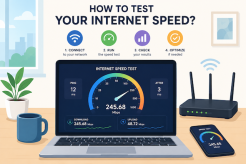
How To Test Your Internet Speed?
Learn how to test your internet speed accurately, understand speed test results, fix slow connections, and improve your internet performance.