How Gamers Can Stay Safe From Online Cyber Threats
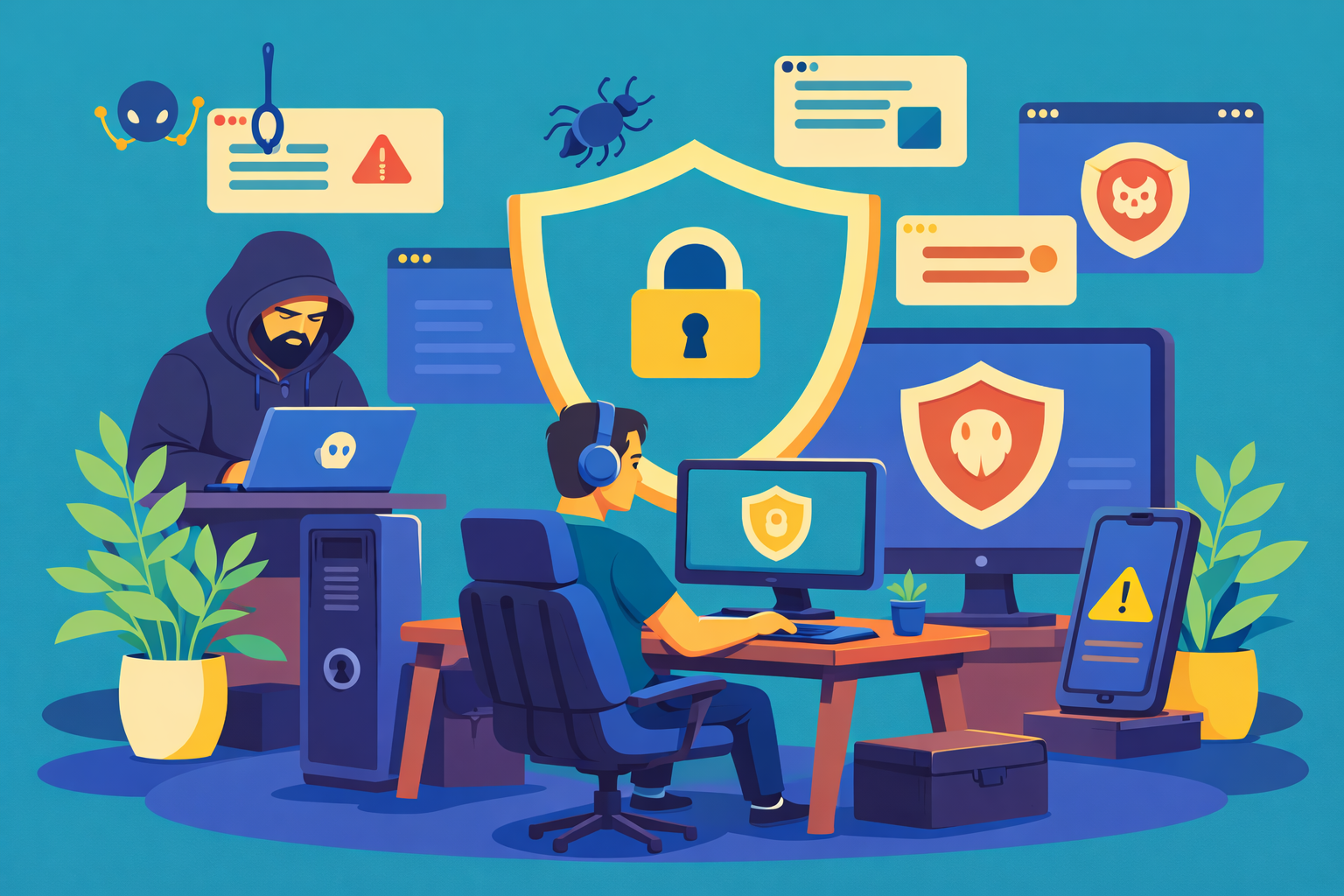
Online gaming is no longer a niche hobby. It’s a global digital ecosystem involving competitive esports, social communities, live streaming, in-game economies, and real-money transactions. As gaming technology evolves, so do the risks tied to being constantly connected.
From account theft to malware disguised as game mods, cybercriminals increasingly target gamers because they often store payment data, digital assets, and personal identity information in one place. If you play online — whether casually or competitively — cybersecurity awareness is essential.
Understanding common threats and how they work is the first step toward protecting your accounts, devices, and financial information. Just as players optimize settings to reduce lag, security optimization should be part of every gaming setup.
Below is a detailed breakdown of real-world gaming threats and practical methods to stay protected.
Why Gamers Are Prime Targets for Cybercrime
Gaming accounts can hold significant real-world value. Rare skins, leveled characters, and in-game currencies can be sold in secondary markets. Add stored credit cards or linked payment wallets, and a compromised gaming account becomes highly profitable for attackers.
Gamers also frequently download third-party tools, mods, and performance boosters. This creates more entry points for malicious software compared to average internet users.
Attackers target:
High-value gaming accounts
Payment credentials
Personal identity data
Email logins linked to gaming services
Cryptocurrency wallets used in gaming ecosystems
Because gaming depends heavily on stable connections, many players also focus on improving latency performance, sometimes overlooking security fundamentals while optimizing network speed.
Cyberbullying and Harassment Risks
How Cyberbullying Happens in Gaming
Most multiplayer platforms include voice chat, text chat, and direct messaging. While these tools improve teamwork and social interaction, they also enable harassment, doxxing attempts, and targeted abuse.
Cyberbullying can escalate from simple trash talk to:
Personal threats
Social media stalking
Attempted account compromise
Psychological harassment campaigns
Younger gamers and streamers are especially vulnerable because of public exposure.
How to Protect Yourself From Cyberbullying
If harassment occurs:
Block the user immediately
Report behavior through platform moderation tools
Avoid engaging or responding emotionally
Restrict who can message you
Keep personal details private
Gaming platforms now use AI moderation, but user reporting still plays a major role in removing bad actors.
Cheating, Scams, and Fake In-Game Offers
Types of Gaming Fraud
Cheating isn’t just about unfair gameplay. It often overlaps with scams and criminal activity.
Common examples include:
Fake item trading marketplaces
Discounted currency scams
Boosting services stealing accounts
Bot software embedding malware
Fake tournament entry fees
In some cases, organized groups create fake gaming communities designed to harvest credentials or trick players into downloading malicious software.
How to Avoid Gaming Scams
Never buy items outside official marketplaces
Avoid third-party currency sellers
Verify tournament organizers before paying fees
Avoid downloads from unofficial forums
Watch for accounts promising “instant progress”
Legitimate performance improvements usually come from hardware upgrades or choosing stable internet gaming plans, not third-party software shortcuts.
Phishing Attacks Targeting Gamers
How Gaming Phishing Works
Phishing in gaming usually impersonates:
Game publishers
Tournament organizers
Streaming sponsorship offers
Account verification notices
“Security alert” emails
Attackers create fake login pages nearly identical to official gaming websites. Once login credentials are entered, the account is immediately stolen.
How to Prevent Phishing Attacks
Never click login links in emails or DMs
Type official URLs manually into your browser
Enable two-factor authentication
Check domain spelling carefully
Avoid logging in on public computers
If a message creates urgency (“Verify now or lose access”), treat it as suspicious.
Malware Hidden in Mods, Cheats, and Fake Updates
Why Gamers Are Vulnerable to Malware
Gamers frequently download:
Mods
Custom skins
Performance optimization tools
FPS boosters
UI overlays
Attackers often disguise malware as:
Graphics upgrades
Game patch installers
Streaming plugins
Game launchers
Once installed, malware can:
Steal saved passwords
Capture screenshots
Log keystrokes
Mine cryptocurrency
Take full remote control of your PC
How to Prevent Malware Infections
Download mods only from verified communities
Use antivirus with real-time protection
Keep operating systems updated
Avoid cracked or pirated games
Scan downloads before installing
Performance gains should come from legitimate hardware, software optimization, or choosing reliable internet speed options, not unknown executable files.
Gaming Account Identity Theft
What Attackers Want From Gaming Accounts
Identity theft in gaming extends beyond stealing characters or items. Attackers may attempt to access:
Linked payment cards
Email accounts
Social media accounts
Cloud storage tied to login credentials
High-ranking or rare accounts can be sold online for hundreds or thousands of dollars.
How to Protect Gaming Identities
Use strong security fundamentals:
Unique password for each gaming platform
Password managers instead of memorizing passwords
Two-factor authentication everywhere possible
Separate email accounts for gaming
Avoid sharing screenshots showing usernames or IDs
The more valuable your account becomes, the more likely attackers will target you directly.
Network Security and Home Gaming Protection
Why Network Security Matters
Home routers are often overlooked security risks. If compromised, attackers can:
Monitor traffic
Inject malicious ads
Redirect login pages
Slow network speeds
Capture unencrypted data
How to Secure Your Gaming Network
Change default router passwords
Update router firmware
Disable remote management unless needed
Use WPA3 or WPA2 encryption
Avoid public Wi-Fi for competitive gaming or account logins
Gamers often focus heavily on performance, but secure networking is just as important as speed.
Safe Gaming Habits That Reduce Risk Long-Term
Build a Security-First Gaming Setup
Treat your gaming system like a financial device, not just entertainment hardware.
Recommended baseline setup:
Antivirus with behavioral detection
Firewall enabled
Auto-updates turned on
VPN when using public networks
Secure password manager
Watch for Behavioral Red Flags
Immediately investigate if you notice:
Unexpected login alerts
Missing items or currency
Changed account email or password
Friends receiving spam messages from your account
Fast action can often prevent permanent account loss.
The Role of Internet Stability in Security
While internet speed is mainly associated with gameplay performance, stable connections can also reduce exposure to certain attack vectors like session hijacking or forced reconnect exploits.
Reliable connections help maintain encrypted sessions and reduce packet manipulation risks. This is why many competitive gamers invest in optimized networking infrastructure alongside cybersecurity tools.
The Future of Gaming Cybersecurity
Gaming platforms are investing heavily in security technologies, including:
AI-driven fraud detection
Behavioral login analysis
Biometric authentication
Hardware-based security keys
However, user behavior remains the biggest security factor. Even advanced systems cannot fully protect accounts if players reuse passwords or download unsafe files.
Final Thoughts
Online gaming offers incredible entertainment, social interaction, and even career opportunities. But it also introduces real cybersecurity risks that shouldn’t be ignored.
By understanding common threats like phishing, malware, cheating scams, and identity theft, gamers can significantly reduce their risk exposure. Security isn’t about paranoia — it’s about awareness and smart digital habits.
Protect your accounts the same way you protect your finances. Use strong passwords, enable multi-factor authentication, verify downloads, and stay alert to suspicious activity. Small habits create strong defenses over time.
Related Posts
 cheap internet plans
Subscription
cheap internet plans
Subscription
Frontier TV and Internet Packages Worth Considering Today
Explore Frontier TV and internet packages, compare speeds, features, bundle benefits, pricing options, and find the right plan for your home.
 cheap internet offers
How to Find Cheap Internet That Doesn't Feel Cheap
Learn how to get affordable internet without sacrificing speed. Compare providers, optimize your network, and save on your monthly bill with smart strategies.
 cheap internet deals
Wifi
cheap internet deals
Wifi
The Hidden Internet Wi-Fi Fees That Inflate Your Monthly Bill
Learn about hidden internet Wi-Fi fees that quietly increase your monthly bill and discover practical ways to lower your long-term internet costs.
 Technology
Top Tech Trends Changing Everyday Life in 2026
Explore the biggest tech trends shaping 2026, including AI, 5G, smart homes, cybersecurity, blockchain, and the future of remote work.
 Technology
Best AI Tools for Automating Daily Work Faster
Discover the best AI tools to automate repetitive work, improve productivity, streamline workflows, and help businesses save valuable time daily.