How Fixed Wireless Helps You Skip Costly Setup Fees
Getting internet service installed at home can be surprisingly expensive. Between activation charges, technician visits, modem rentals, and hidden equipment costs, many cable providers can add well over $100 to your first bill before you even start browsing.
That’s one reason more households are exploring fixed wireless internet as a practical alternative. Instead of relying on underground cable infrastructure, this technology delivers internet service through wireless signals, often eliminating many of the setup expenses tied to traditional providers.
For renters, rural homeowners, remote workers, and budget-conscious families, fixed wireless offers a simpler and often more affordable path to getting online. In this guide, we’ll break down how it works, why installation costs are usually lower, and what consumers should know before switching.
Why Traditional Cable Internet Setup Gets Expensive
Cable internet companies typically depend on physical infrastructure running directly into your home. That means technicians often need to visit your property, run lines, activate equipment, and configure hardware before service begins.
Here’s where the costs usually add up:
Professional installation fees
Cable line activation
Modem and router rental charges
Equipment upgrade fees
Long-term rental agreements
Maintenance costs for aging hardware
For many customers, these expenses can push startup costs far beyond the advertised monthly rate.
Some providers also bundle mandatory hardware rentals into monthly bills, increasing the total cost over time. That’s why consumers increasingly compare options before signing contracts with the best Internet Providers.
How Fixed Wireless Internet Works
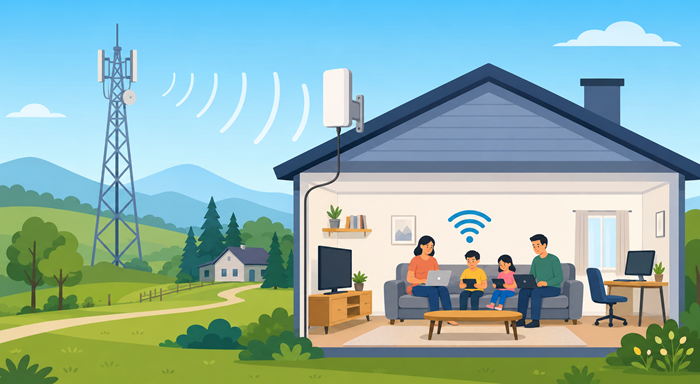
Unlike cable systems that require extensive wiring, fixed wireless internet uses radio signals transmitted between nearby towers and a receiver installed at your home.
Instead of digging trenches or running coaxial cable through neighborhoods, the provider installs a small receiver or antenna that communicates wirelessly with a local access point.
Because the infrastructure is simpler, providers can often reduce or completely eliminate several traditional setup expenses.
In many cases, customers can even complete part of the setup themselves, further lowering installation costs.
Lower Installation Costs Are One of the Biggest Advantages
One of the main reasons consumers switch to wireless-based home internet is the reduced upfront pricing.
Minimal Physical Infrastructure
Cable providers usually depend on extensive wired networks. If your home needs new lines or upgrades, the installation becomes more labor-intensive and expensive.
Fixed wireless systems avoid much of that complexity. Providers often only need:
A mounted receiver
A power connection
Basic router configuration
That streamlined setup significantly reduces labor and material costs.
Fewer Technician Visits
Traditional cable installations may require multiple appointments for activation, troubleshooting, or infrastructure adjustments.
Wireless systems are generally faster to deploy because they rely less on physical cabling. Some providers even offer same-day or next-day activation.
Reduced Equipment Rental Fees
Cable internet companies frequently charge monthly modem rental fees that continue indefinitely.
With fixed wireless plans, providers may include equipment at no extra cost or charge a much lower fee. Some even allow customers to use compatible third-party routers.
Over time, this can save households hundreds of dollars.
Why Rural Areas Benefit the Most
Rural communities often face the highest internet installation costs because extending cable infrastructure across large distances is expensive.
Wireless delivery systems solve this challenge more efficiently by transmitting service from strategically placed towers instead of underground cable networks.
That’s why many rural customers now consider wireless-based home internet one of the most accessible connectivity solutions available.
Consumers comparing rural internet options often research topics like viasat vs hughesnet before deciding which service fits their needs.
Faster Deployment Means Less Waiting
Another overlooked advantage is speed of activation.
Cable installations can take days or even weeks depending on technician availability and local infrastructure conditions.
Wireless internet services are typically quicker because there’s less physical work involved. In many neighborhoods, providers can activate service rapidly once the receiver is installed.
That convenience matters for:
Remote workers
Students
New homeowners
Apartment renters
Temporary housing residents
If you need internet quickly without scheduling delays, wireless setups are often much more practical.
How Wireless Internet Reduces Long-Term Costs
Lower upfront fees are important, but ongoing savings matter too.
No Mandatory Modem Leasing
Many cable companies require customers to lease proprietary hardware every month.
Wireless providers frequently offer more flexible equipment policies, helping users avoid recurring rental costs.
Fewer Maintenance Charges
Older cable infrastructure may require repairs, replacements, or service calls over time.
Because wireless systems rely less on physical cabling, there are often fewer infrastructure-related maintenance issues affecting customers directly.
Flexible Service Options
Many fixed wireless providers offer contract-free service plans. That means customers can avoid expensive cancellation penalties common with traditional cable contracts.
This flexibility appeals to renters and households seeking budget-friendly alternatives.
Comparing Wireless Internet to Cable Providers
While cable internet still offers strong speeds in many areas, installation and equipment pricing remain a major frustration for customers.
Wireless internet has become increasingly competitive by focusing on:
Lower startup costs
Faster installation
Simplified equipment
Flexible contracts
Broader rural availability
For households trying to reduce monthly expenses, those savings can make a meaningful difference over time.
Consumers researching affordable connectivity solutions often explore resources covering cheap internet plans under $50 to compare budget-friendly service options.
What to Check Before Choosing a Provider
Not every wireless internet provider offers identical service quality. Before signing up, it’s important to evaluate a few key factors.
Coverage Availability
Wireless internet performance depends heavily on signal availability in your location.
Check whether providers offer reliable coverage in your area before committing to service.
Speed Expectations
Internet speed can vary based on tower distance, local congestion, and environmental conditions.
Make sure the plan supports your household’s usage needs, especially if multiple people stream, game, or work from home.
Data Policies
Some providers impose data caps or speed reductions after certain usage thresholds.
Always review plan details carefully before subscribing.
Installation Details
Even though wireless installation is usually cheaper, setup policies vary by provider.
Reviewing common internet provider installation faqs can help customers better understand what to expect before scheduling service.
Why Consumers Are Paying More Attention to Internet Pricing
Internet shoppers today are far more aware of hidden fees than they were a few years ago.
Many consumers have experienced promotional pricing that suddenly increases after the first year or unexpected equipment charges appearing on monthly statements.
That’s why transparency matters more than ever.
Research about how internet prices changes across different regions has also made customers more cautious when comparing providers.
Wireless internet providers often market themselves as simpler alternatives with fewer surprise costs, which appeals to budget-focused households.
The Growing Popularity of Wireless Home Internet
As internet technology improves, more households are becoming comfortable replacing traditional cable connections with wireless alternatives.
Modern networks have expanded dramatically, making wireless home internet more reliable and accessible than it was several years ago.
Some consumers specifically explore services related to 5g fixed wireless because newer network infrastructure can support faster speeds and broader coverage.
Major brands like att fixed wireless and verizon wireless have also increased visibility around wireless home connectivity, helping more consumers understand the technology.
At the same time, traditional cable companies such as xfinity continue competing aggressively in areas where wired infrastructure remains strong.
This competition ultimately benefits customers by creating more pricing options and encouraging providers to reduce installation barriers.
Is Fixed Wireless Right for Your Home?
Wireless home internet can be an excellent fit if you:
Want lower startup costs
Need faster installation
Live in a rural or underserved area
Prefer flexible contracts
Want to avoid expensive equipment rentals
However, households with extremely high bandwidth demands may still prefer fiber or cable connections where available.
The best option depends on your location, budget, and internet usage habits.
Call Us : 1-888-317-7540
Conclusion
Traditional cable internet often comes with expensive setup requirements that increase the real cost of getting connected. Installation appointments, equipment rentals, and hidden service charges can quickly push startup costs past $100.
Wireless home internet offers a simpler alternative by reducing infrastructure complexity and minimizing equipment needs. For many households, that means lower upfront costs, quicker activation, and fewer recurring fees.
As competition in the internet market continues growing, consumers now have more flexibility than ever to choose affordable connectivity solutions that fit both their budget and lifestyle.
FAQs
Does fixed wireless internet require professional installation?
Usually only minimal setup is needed compared to traditional cable installations.
Can fixed wireless help reduce monthly internet costs?
Yes, many plans eliminate equipment rental fees and expensive contracts.
Is wireless internet available in rural areas?
Many providers specifically target rural communities with wireless coverage.
Are wireless internet speeds good for streaming?
Most modern services support streaming, browsing, and remote work comfortably.
Do wireless providers charge installation fees?
Some providers waive installation entirely or charge much lower setup costs than cable companies.
Related Posts
 Technology
Wifi
mobile phone plans
Technology
Wifi
mobile phone plans
What Is a Mobile Hotspot and How Does It Work?
A mobile hotspot is a portable feature or device that converts a cellular data connection (like 4G LTE or 5G) into a private Wi-Fi network
 Broadband Deals
cable deal
Broadband Deals
cable deal
Xfinity Cable Package Deals That Actually Deliver Value
Discover the best Xfinity cable package deals, compare internet and TV bundles, understand pricing, and choose the right plan for your home and budget.
 Broadband Deals
What Is TDS Internet and Is It Right for Your Home?
Learn what TDS Internet is, how it works, available plans, pricing, speeds, benefits, and how it compares with other internet providers.
 Internet Bundles
Bundle Internet, TV, and Phone Without Overpaying
Learn how to bundle internet, TV, and phone services for the best value. Compare plans, avoid hidden fees, and choose the right package for your home.
 Broadband Deals
cable deal
cheap internet deals
Broadband Deals
cable deal
cheap internet deals
Chicago Neighborhood Internet Guide for Better Connectivity
Explore internet options across Chicago neighborhoods, compare providers, understand speeds, costs, and find the best broadband solution.