Why Internet Prices Change So Much by ZIP Code
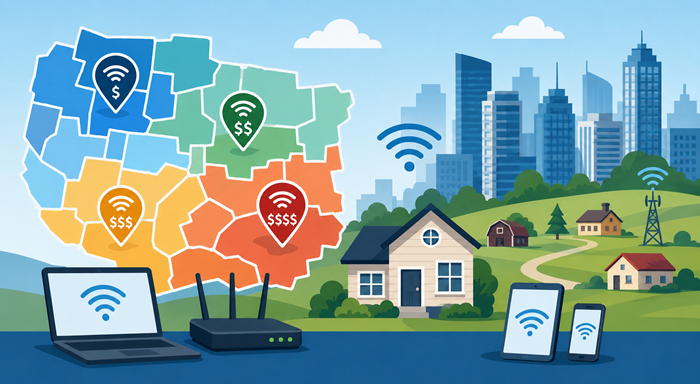
Finding affordable home connectivity shouldn’t feel confusing, yet many people are surprised to learn that monthly rates can vary dramatically from one neighborhood to another. Two households living only a few miles apart may receive completely different pricing, speeds, and provider options. That difference often comes down to local infrastructure, competition, and service availability tied directly to ZIP codes.
Whether you are comparing plans for a new home, relocating to another city, or simply trying to lower your monthly bill, understanding why pricing changes by area can help you make smarter decisions. In this guide, we’ll break down the real reasons costs differ across regions, what impacts pricing the most, and how you can find better options where you live.
The Real Reason Pricing Changes by Location
The biggest factor behind changing monthly rates is infrastructure availability. Not every area has access to the same cable lines, fiber networks, or wireless technology. Providers invest differently depending on population density, demand, and local competition.
In urban neighborhoods, multiple companies may compete for customers. In rural or less populated areas, there may be only one available provider. That lack of competition often results in higher monthly pricing and fewer promotional offers.
Another major factor is how expensive it is for companies to build and maintain networks in a specific area. Installing fiber lines in a crowded city block is very different from extending service to remote communities with fewer households.
If you are unsure which providers serve your location, searching for plans using internet by zip code can quickly reveal the options available in your neighborhood.
How Competition Impacts Monthly Rates
Competition is one of the strongest influences on pricing. Areas with several providers usually see lower introductory offers, flexible packages, and faster upgrades.
More Providers Usually Means Better Pricing
When multiple companies compete in the same market, customers benefit. Providers lower rates, increase speeds, and include promotional incentives to attract subscribers.
For example, neighborhoods with access to fiber, cable, and fixed wireless providers often receive better promotional pricing than areas with limited availability.
Limited Choices Often Increase Costs
In smaller towns or underserved communities, customers may only have one realistic option. Without competitive pressure, providers have little reason to lower pricing or improve service quality.
This is why monthly bills can vary widely even within the same city.
Infrastructure Plays a Huge Role
The technology available in your area directly affects both speed and pricing.
Fiber Networks Cost More to Build
Fiber-optic infrastructure is expensive to install but delivers some of the fastest residential speeds available today. Areas with newly installed fiber networks may initially see higher monthly rates because providers are recovering construction costs.
However, as competition increases, pricing often becomes more affordable over time.
Older Cable Networks Create Different Pricing Models
Some regions still rely on aging cable infrastructure. Providers may offer lower introductory pricing but charge more for higher speeds or unlimited data options.
In many cases, older systems also require additional maintenance, which can influence long-term service pricing.
Population Density Affects Service Costs
Cities and densely populated suburbs are usually cheaper to service per household because providers can connect many homes using shared infrastructure.
Rural areas are different.
A company may need to extend miles of cable or fiber to reach a small number of homes. Those higher operational expenses are often reflected in customer pricing.
This is one reason why residents in remote locations frequently pay more for slower speeds compared to households in larger metro areas.
Promotional Pricing Creates Confusion
Many people compare only the advertised rate without looking at long-term pricing structures.
Introductory Offers Can Be Misleading
Providers commonly advertise low promotional rates that increase after 12 or 24 months. Depending on your ZIP code, those promotions may vary significantly.
Some areas receive aggressive discounts because providers are trying to win market share. Other locations may have limited promotional offers due to lower competition.
If you are comparing packages, reviewing the current best internet deals can help you understand which offers provide actual long-term value instead of temporary savings.
Hidden Fees Also Vary
Equipment rentals, installation charges, regional taxes, and network maintenance fees can differ by location. Some providers bundle these costs into monthly pricing, while others list them separately.
Always review the full bill estimate instead of focusing only on the advertised monthly rate.
Local Regulations Influence Availability
State and municipal regulations can affect which providers operate in certain areas. Some local governments encourage competition and infrastructure expansion, while others have stricter permitting processes that slow development.
In some regions, utility pole access and construction permits may delay network upgrades for years. These regulatory differences can impact both pricing and available speed tiers.
Income Demographics Can Affect Marketing
Providers often adjust marketing strategies based on local demographics and customer demand.
Neighborhoods with higher average household income may see premium packages marketed more aggressively, while budget-focused plans are promoted more heavily in cost-conscious areas.
This doesn’t necessarily mean service quality changes, but it can influence the pricing structure customers are shown first.
Data Demand Changes Network Investment
Areas with higher demand for streaming, gaming, and remote work typically receive faster network upgrades.
Communities with heavy data usage encourage providers to invest more aggressively in infrastructure improvements. That investment may temporarily raise prices but can also improve long-term reliability and speed options.
As more households rely on smart devices and video conferencing, demand for higher-capacity networks continues to grow nationwide.
Why Speed Availability Differs by ZIP Code
Not every neighborhood has equal access to fast connectivity. Even within the same city, infrastructure age and provider investment can vary significantly.
Fiber Expansion Is Still Uneven
Fiber deployment continues expanding across the country, but many neighborhoods still rely on older cable or DSL systems. Providers prioritize expansion based on profitability and population density.
That means some ZIP codes gain access to gigabit plans years before others nearby.
Speed Tiers Depend on Local Capacity
The maximum speed available in your area depends on the network capacity serving your neighborhood. Areas with older infrastructure may not support the same performance levels available elsewhere.
This is why one household may have access to multi-gig plans while another just a few miles away has limited choices.
Some consumers compare plans from providers like xfinity internet when evaluating available speed tiers in competitive markets, especially where cable and fiber options overlap.
Budget-Friendly Plans Depend on Location
Affordable plans are not distributed equally across every region. Promotional offers and low-cost packages are often targeted to highly competitive markets.
Customers searching for lower monthly pricing can benefit from comparing current internet deals under $30 to identify entry-level plans that fit smaller budgets without sacrificing reliability.
In many cases, lower-cost plans are sufficient for streaming, web browsing, online learning, and remote work for smaller households.
Why Rural Areas Often Pay More
Rural communities face unique challenges that directly impact pricing and service quality.
Fewer Customers Spread Across Larger Areas
Serving remote locations requires more infrastructure investment per customer. Providers may need to install additional equipment across long distances while generating lower revenue overall.
Limited Competition Slows Improvement
Without strong competition, providers may have less incentive to improve speeds or lower pricing. In some rural areas, customers may rely heavily on satellite or fixed wireless options because traditional wired infrastructure is unavailable.
These limitations contribute heavily to higher overall internet cost in underserved regions.
Bundled Services Influence Pricing
Providers often encourage customers to bundle television, mobile, or phone services alongside residential connectivity.
While bundles can reduce monthly costs for some households, they may also complicate pricing comparisons. Two households in different ZIP codes may receive completely different bundle promotions from the same provider.
Always compare standalone service pricing before committing to large bundles.
Technology Upgrades Affect Future Costs
As providers continue expanding fiber networks and upgrading infrastructure, pricing trends will continue evolving.
Areas currently limited to older systems may eventually see improved competition and lower pricing once new providers enter the market.
Consumers willing to compare plans regularly often save more over time than customers who remain on outdated contracts for years.
How to Find the Best Value in Your Area
The lowest advertised rate is not always the best long-term option. Instead, focus on overall value.
Compare Speed, Reliability, and Fees
Evaluate:
Monthly price after promotions end
Equipment costs
Contract requirements
Data limits
Customer support reputation
Actual speed consistency
A slightly higher monthly payment may provide significantly better reliability and customer experience.
Check Availability Frequently
Provider availability changes regularly as infrastructure expands. New competitors entering your area can dramatically improve pricing options.
Many households continue paying outdated rates simply because they haven’t reviewed local availability recently.
If you are exploring alternatives, researching different home wi-fi and internet providers can help you compare pricing structures, contract terms, and speed options more effectively.
Understanding the Bigger Picture
ZIP code-based pricing is ultimately driven by economics, infrastructure, and competition. Providers invest differently depending on how profitable an area appears and how many competitors already exist.
For consumers, understanding these factors makes it easier to compare plans realistically and avoid overpaying for services that may not match actual household needs.
As technology continues improving and network expansion grows, pricing differences between regions may eventually narrow. Until then, comparing local availability carefully remains one of the smartest ways to find better service and lower monthly costs.
FAQs
Why does internet pricing change by ZIP code?
Pricing changes because infrastructure, provider competition, and local demand vary by area.
Are rural areas more expensive for home connectivity?
Yes, rural regions often have higher costs due to limited infrastructure and fewer providers.
Do promotional rates differ by location?
Yes, providers frequently adjust promotions based on local competition and market demand.
Can two nearby neighborhoods have different providers?
Absolutely, infrastructure availability can vary even within the same city.
Is faster service always worth the higher price?
Not always, because many households only need moderate speeds for daily use.
Related Posts
 Broadband Deals
cable deal
Broadband Deals
cable deal
Xfinity Cable Package Deals That Actually Deliver Value
Discover the best Xfinity cable package deals, compare internet and TV bundles, understand pricing, and choose the right plan for your home and budget.
 Broadband Deals
What Is TDS Internet and Is It Right for Your Home?
Learn what TDS Internet is, how it works, available plans, pricing, speeds, benefits, and how it compares with other internet providers.
 Internet Bundles
Bundle Internet, TV, and Phone Without Overpaying
Learn how to bundle internet, TV, and phone services for the best value. Compare plans, avoid hidden fees, and choose the right package for your home.
 Broadband Deals
cable deal
cheap internet deals
Broadband Deals
cable deal
cheap internet deals
Chicago Neighborhood Internet Guide for Better Connectivity
Explore internet options across Chicago neighborhoods, compare providers, understand speeds, costs, and find the best broadband solution.
 Technology
Wifi
Technology
Wifi
7 Reasons You Can’t Connect to the Internet (and How to Fix Them)
Learn the 7 most common reasons you can’t connect to the internet and discover practical troubleshooting steps to restore your Wi-Fi or wired connection fast.