Best Work-From-Home Tech for a Smarter Remote Setup
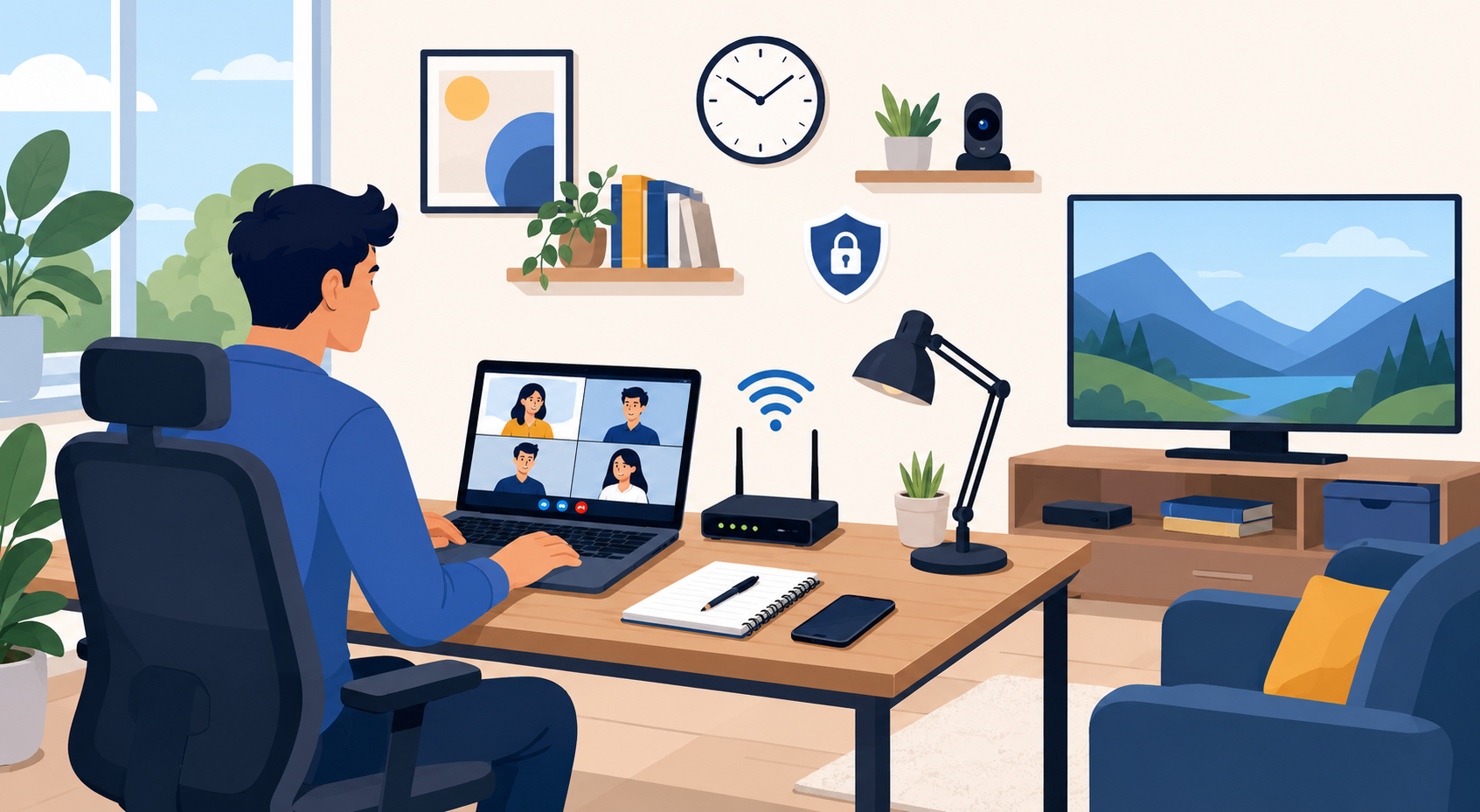
Remote work has become a normal part of daily life for millions of professionals. Whether you work full-time from home or split your schedule between home and the office, having the right technology setup can make a huge difference in your productivity, communication, and overall work experience.
A slow internet connection, poor video quality, security risks, and constant distractions can quickly turn a productive workday into a frustrating one. Fortunately, a few smart upgrades and simple tech adjustments can help you create a more reliable, secure, and comfortable remote workspace.
From improving your Wi-Fi connection to protecting your devices and optimizing virtual meetings, here are the best work-from-home tech tips to help you stay efficient and connected.
Create a Professional Background for Video Meetings
Video conferencing has become one of the most important parts of remote work. Platforms like Zoom, Google Meet, and Microsoft Teams allow teams to collaborate from anywhere, but your background can easily become a distraction during calls.
A cluttered room, household activity, or poor lighting can make meetings look unprofessional. Fortunately, most video conferencing platforms now offer virtual backgrounds and blur effects that instantly improve your appearance on screen.
If you regularly attend online meetings, setting up a clean and distraction-free background can help you appear more polished and focused.
Many remote workers also improve their virtual meeting experience by learning useful Zoom keyboard shortcut controls that speed up screen sharing, muting, and meeting management during presentations.
Improve Your Video Call Setup
A few small adjustments can dramatically improve your video quality:
Position your camera at eye level
Use natural lighting or a ring light
Wear headphones to reduce echo
Keep your microphone close to your voice
Reduce background noise when possible
These small upgrades help meetings feel more professional and easier for everyone to follow.
Protect Your Meetings From Unwanted Guests
Remote work also introduced new security concerns, especially during virtual meetings. Public meeting links and weak passwords can leave conferences vulnerable to interruptions or unauthorized access.
To improve meeting security:
Use password-protected meetings
Enable waiting rooms
Limit screen sharing permissions
Lock meetings after all attendees join
Avoid sharing meeting links publicly
These simple settings help prevent disruptions and keep confidential discussions protected.
Secure Your Devices and Internet Connection
When employees work in a traditional office, IT departments typically manage cybersecurity, firewalls, and secure networks. At home, however, those responsibilities often shift to the individual user.
That makes cybersecurity one of the most important parts of any remote work setup.
Use a VPN for Better Privacy
A Virtual Private Network (VPN) encrypts your internet traffic and helps protect sensitive information from hackers, especially when using public Wi-Fi or unsecured networks.
Many businesses provide company-approved VPN access for remote workers. If your employer does not offer one, there are several trusted VPN providers available for personal use.
Learning more about how VPN services protect online privacy can help remote workers better understand how encrypted connections improve online security while working from home.
Keep Your Devices Updated
Software updates are more important than many people realize. Updates often include security patches that protect your devices from vulnerabilities and cyber threats.
Make sure to regularly update:
Operating systems
Web browsers
Antivirus software
Video conferencing apps
Router firmware
Outdated software can expose your devices to malware, phishing attacks, and security breaches.
Use Strong Passwords and Multi-Factor Authentication
Weak passwords remain one of the biggest security risks for remote workers.
To improve account security:
Use unique passwords for each account
Avoid simple or repeated passwords
Enable two-factor authentication (2FA)
Use password management tools when possible
These extra layers of protection can prevent unauthorized access to work accounts and personal information.
Improve Your Home Wi-Fi Performance
A strong internet connection is essential for remote work. Video calls, cloud applications, file uploads, and team collaboration tools all depend on stable internet speeds.
If your internet connection constantly drops or slows down, productivity can suffer quickly.
Place Your Router in the Right Location
Router placement has a major impact on Wi-Fi performance.
For the best signal:
Keep the router in an open area
Avoid placing it behind walls or furniture
Position it centrally within your home
Keep it away from microwaves and electronics
Elevate it slightly off the floor
Small changes in placement can noticeably improve coverage and connection stability.
Upgrade Older Networking Equipment
Older routers may struggle to support modern devices and high-bandwidth applications.
If your router is several years old, upgrading to a newer Wi-Fi 6 router can improve:
Speed
Coverage
Device handling
Video conferencing quality
Streaming performance
Homes with multiple users often benefit significantly from modern networking hardware.
Reduce Bandwidth Congestion
Remote work performance can suffer when multiple devices compete for bandwidth.
To reduce network congestion:
Pause large downloads during meetings
Limit unnecessary streaming
Disconnect unused devices
Use wired Ethernet connections for critical tasks
Many professionals also explore practical tips for improving slow internet performance at home when dealing with lag, buffering, or unstable video calls during work hours.
Consider a Mesh Wi-Fi System
Large homes or properties with thick walls often experience dead zones where Wi-Fi signals become weak.
Mesh Wi-Fi systems use multiple access points throughout the home to create stronger and more consistent coverage. They are especially useful for remote workers who need stable internet in home offices far from the main router.
Upgrade Your Display and Workspace Setup
Working from a small laptop screen all day can become uncomfortable and inefficient. A better workspace setup can improve both productivity and posture.
Use an External Monitor
Adding a second monitor makes multitasking significantly easier.
Benefits include:
Better workflow organization
Easier document comparison
Improved video editing and design work
Reduced tab switching
Increased productivity
Many remote workers use dual-monitor setups to improve efficiency during long workdays.
Invest in an Ergonomic Workspace
Comfort plays a major role in long-term productivity.
Consider upgrading:
Your office chair
Keyboard and mouse
Laptop stand
Desk lighting
Monitor height
An ergonomic setup helps reduce strain on the neck, wrists, and back.
Use Noise-Canceling Headphones
Household noise can quickly interrupt focus during meetings or deep work sessions.
Noise-canceling headphones help:
Improve concentration
Reduce distractions
Deliver clearer call audio
Create a quieter work environment
They are especially useful for shared homes or apartments.
Turn Your TV Into a Large Work Display
Sometimes a larger display can make presentations, brainstorming sessions, or collaborative work much easier.
Devices like:
Apple TV
Google Chromecast
Roku
Amazon Fire TV Cube
allow users to mirror or stream content from laptops, tablets, and smartphones directly onto a television screen.
This setup works well for:
Team presentations
Virtual training
Spreadsheet reviews
Design discussions
Collaborative planning
Using a television as a secondary display can also reduce eye strain during long work sessions.
Use Productivity Apps More Effectively
Remote work depends heavily on communication and collaboration platforms. Learning how to manage notifications and workflows can improve focus and reduce burnout.
Set Status Messages Strategically
Platforms like Slack and Microsoft Teams make communication easier, but constant notifications can become distracting.
Setting your status to:
Away
Focus mode
Do not disturb
In a meeting
helps minimize interruptions while you concentrate on important tasks.
Organize Your Daily Workflow
Digital productivity tools help remote workers stay organized throughout the day.
Popular tools include:
Trello
Notion
Asana
ClickUp
Google Workspace
These platforms help teams manage projects, deadlines, and communication more efficiently.
Schedule Breaks to Avoid Burnout
Working remotely can blur the line between work and personal life.
Taking scheduled breaks throughout the day helps:
Improve focus
Reduce fatigue
Prevent burnout
Increase long-term productivity
Simple habits like stepping away from your desk or stretching regularly can make a noticeable difference.
Protect Your Internet From ISP Throttling
Some internet providers may intentionally slow certain types of internet traffic during periods of heavy usage. This can affect streaming quality, downloads, and even remote work performance.
Understanding internet throttling warning signs and prevention methods can help remote workers identify connection slowdowns that may impact video conferencing or cloud-based work applications.
Using a VPN, monitoring internet speeds, and reviewing your internet plan are common ways to reduce performance issues caused by throttling.
Build a Remote Workspace That Actually Works
The right work-from-home technology setup does not have to be expensive or overly complicated. In many cases, small improvements can significantly boost productivity, communication quality, and online security.
A reliable internet connection, stronger cybersecurity practices, better video conferencing tools, and an organized workspace all contribute to a smoother remote work experience.
As remote and hybrid work continue to evolve, investing in practical home office technology can help you stay productive, professional, and connected no matter where you work.
FAQ About Work-From-Home Technology
What internet speed is best for remote work?
For most remote workers, at least 25 Mbps download speed and 5 Mbps upload speed is recommended. Video conferencing and large file uploads may require faster connections.
Is a VPN necessary for working from home?
A VPN is highly recommended, especially when accessing company files, using public Wi-Fi, or handling sensitive information online.
What is the best setup for video meetings?
A stable internet connection, external webcam, quality microphone, proper lighting, and noise-canceling headphones create a more professional video meeting setup.
How can I improve weak Wi-Fi signals at home?
Moving your router, updating firmware, upgrading your router, or installing a mesh Wi-Fi system can help improve weak signals.
Are dual monitors worth it for remote work?
Yes. Dual monitors improve multitasking, workflow organization, and productivity for many remote workers.
Related Posts
 Broadband Deals
Broadband Installation
Broadband Deals
Broadband Installation
CenturyLink in Farmington: A Complete Guide for Local Users
Explore CenturyLink Farmington plans, pricing, installation, performance, and expert tips to choose the best home internet service for your needs.
 Technology
Wifi
mobile phone plans
Technology
Wifi
mobile phone plans
What Is a Mobile Hotspot and How Does It Work?
A mobile hotspot is a portable feature or device that converts a cellular data connection (like 4G LTE or 5G) into a private Wi-Fi network
 Broadband Deals
cable deal
Broadband Deals
cable deal
Xfinity Cable Package Deals That Actually Deliver Value
Discover the best Xfinity cable package deals, compare internet and TV bundles, understand pricing, and choose the right plan for your home and budget.
 Broadband Deals
What Is TDS Internet and Is It Right for Your Home?
Learn what TDS Internet is, how it works, available plans, pricing, speeds, benefits, and how it compares with other internet providers.
 Internet Bundles
Bundle Internet, TV, and Phone Without Overpaying
Learn how to bundle internet, TV, and phone services for the best value. Compare plans, avoid hidden fees, and choose the right package for your home.