Best Internet and YouTube TV Bundles for Streaming
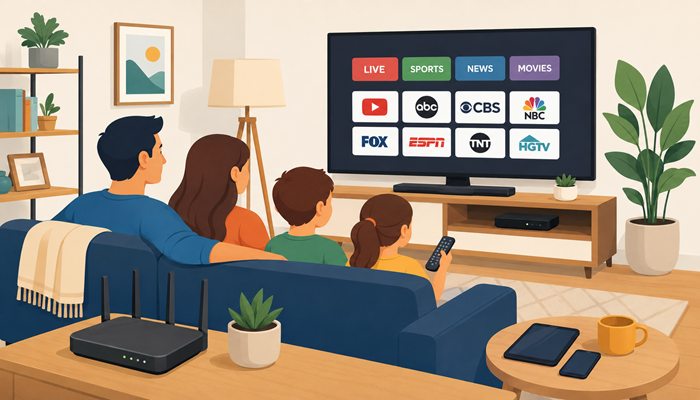
Finding the right home entertainment setup isn’t as simple as choosing an internet provider anymore. Between live TV streaming, sports access, cloud DVRs, and rising monthly costs, many households are now comparing bundled streaming options instead of traditional cable packages.
That’s where combining fast internet with YouTube TV becomes a smart move. The right pairing can lower monthly costs, simplify billing, and improve streaming performance across every device in your home. Whether you stream sports, binge-watch shows, or work remotely while your family watches live TV, choosing the right setup matters more than ever.
In this guide, we’ll break down what makes a great bundle, how to compare providers, and what to look for before signing up. We’ll also cover how modern streaming households are saving money with flexible digital packages instead of long-term cable contracts.
Why Internet and Streaming Bundles Are So Popular
The way people watch television has completely changed over the last few years. Cable subscriptions continue to decline while streaming platforms keep growing. At the same time, internet usage inside homes has skyrocketed because of remote work, gaming, smart devices, and 4K streaming.
As a result, more households are searching for convenient streaming bundles that combine reliable internet with live TV services like YouTube TV.
Unlike traditional cable contracts, these newer options offer:
Flexible monthly pricing
No bulky cable boxes
Access across multiple devices
Easier account management
More customizable entertainment options
For many families, this creates a cleaner and more affordable entertainment experience.
What Is YouTube TV?
YouTube TV is a live television streaming platform that gives users access to major broadcast networks, sports channels, news stations, and entertainment programming without requiring traditional cable service.
Subscribers can stream content on:
Smart TVs
Smartphones
Tablets
Streaming devices
Gaming consoles
Laptops and desktops
One major reason the service continues to grow is its unlimited cloud DVR feature and user-friendly interface.
Many people researching modern entertainment packages compare various youtube tv plans based on channels, regional sports access, add-ons, and simultaneous streams.
Why Pair YouTube TV With High-Speed Internet?
Streaming live television requires stable internet performance. If your connection struggles during peak hours, you’ll notice buffering, lower video quality, or interrupted streams.
That’s why choosing a quality internet provider is just as important as selecting a TV service.
The best pairings typically include:
Download speeds of at least 100 Mbps
Unlimited data options
Reliable Wi-Fi coverage
Low latency for smooth streaming
Consistent evening performance
Households with multiple users often benefit from fiber internet because it handles simultaneous streaming and gaming more efficiently.
If you’re still comparing providers, this guide to the best Internet Providers can help narrow down your options based on speed, pricing, and availability.
Features to Look for in an Internet and TV Bundle
Not all bundles deliver the same experience. Some focus on affordability, while others prioritize speed, premium channels, or sports coverage.
Here are the most important factors to compare before making a decision.
Internet Speed
The number of connected devices inside your home directly affects how much speed you need.
A small household may only require 100–200 Mbps, while larger homes with multiple streamers and gamers may need 500 Mbps or more.
Data Caps
Some providers still limit monthly data usage. Streaming live television every day can consume hundreds of gigabytes each month.
Unlimited data helps avoid surprise fees or throttling.
Equipment Fees
Always check whether routers, modems, or streaming devices are included in the advertised price.
Low promotional rates sometimes hide equipment costs that increase the final bill.
Streaming Compatibility
YouTube TV works well with most major streaming devices, but smooth performance depends heavily on network quality.
Mesh Wi-Fi systems can improve coverage in larger homes.
Contract Flexibility
One advantage of streaming services is freedom from long-term contracts.
Look for providers offering month-to-month flexibility whenever possible.
Best Internet Options for YouTube TV Users
Different internet technologies offer different streaming experiences. Here’s how they compare.
Fiber Internet
Fiber is often the top choice for heavy streamers because it delivers symmetrical upload and download speeds.
Benefits include:
Faster streaming
Better video call quality
Reduced buffering
Improved performance with multiple devices
Fiber providers are often recommended for larger households using smart home systems and multiple TVs.
Cable Internet
Cable internet remains widely available and can still provide strong streaming performance.
Most homes using cable internet can stream YouTube TV comfortably as long as speeds remain consistent during busy evening hours.
5G Home Internet
Wireless home internet has improved dramatically in recent years.
For apartments or smaller households, 5G home internet can provide an affordable alternative to traditional broadband.
However, network congestion and location can affect reliability.
How Bundles Compare to Traditional Cable Packages
Many households initially switch to streaming for cost savings, but convenience has become an equally important factor.
Traditional cable packages often include:
Equipment rental fees
Installation charges
Long contracts
Hidden pricing increases
Modern streaming setups offer more flexibility and simpler pricing structures.
Consumers comparing options often ask, is bundling really cheaper? The answer depends on your provider, internet speed requirements, and how many premium channels you want.
In many cases, combining internet service with streaming subscriptions still costs less than legacy cable packages with similar features.
Who Benefits Most From Internet and YouTube TV Bundles?
These combinations work especially well for certain types of households.
Sports Fans
Live sports remain one of the biggest reasons people keep TV subscriptions.
YouTube TV includes many major sports channels, making it appealing for football, basketball, baseball, and college sports viewers.
Families With Multiple Streamers
Families often stream on several devices simultaneously.
Reliable internet paired with live TV access helps eliminate arguments over who gets to use the bandwidth.
Remote Workers
People working from home need stable internet throughout the day.
A quality internet connection can support work tasks while other household members stream entertainment.
Cord-Cutters
Users moving away from cable typically want flexibility without sacrificing live television access.
Streaming bundles provide a middle ground between full cable subscriptions and on-demand streaming apps.
How to Save Money on Streaming and Internet
Even though streaming can reduce entertainment costs, expenses can still add up quickly when combining multiple subscriptions.
Here are several ways to lower monthly bills.
Choose the Right Speed Tier
Many households overpay for internet speeds they never fully use.
Unless you have heavy gamers or multiple 4K streams running constantly, you may not need gigabit internet.
Bundle Strategically
Some providers offer discounts when combining internet with mobile service or streaming subscriptions.
Always compare total long-term pricing instead of promotional offers alone.
Avoid Extra Add-Ons
Premium sports packages and movie channels can significantly increase monthly costs.
Stick with channels you genuinely watch.
Compare Streaming Alternatives
Some users rotate between streaming platforms seasonally to reduce costs.
Others combine live TV with free streaming apps.
If you’re comparing entertainment costs, this breakdown of the cheapest tv packages and providers can help identify budget-friendly alternatives.
The Role of Internet Speed in Streaming Quality
Streaming quality depends heavily on bandwidth stability.
For example:
HD streaming usually requires at least 5–10 Mbps
4K streaming may require 25 Mbps or more
Multiple simultaneous streams increase demand quickly
Buffering issues often happen because of Wi-Fi coverage limitations rather than insufficient internet plans.
Upgrading your router can sometimes improve performance more than upgrading internet speed.
Consumers researching the best internet bundles 2026 are increasingly prioritizing network reliability over raw speed numbers alone.
Why YouTube Continues to Influence Streaming Trends
The broader streaming ecosystem continues evolving rapidly, and YouTube remains one of the most influential platforms in digital entertainment.
Its impact extends beyond live TV into creator content, music, podcasts, education, and smart TV integration.
If you enjoy learning about streaming culture and platform growth, these interesting facts about youtube reveal just how massive the platform has become globally.
Choosing the Right Internet Provider in 2026
As internet competition increases, providers are offering more promotional deals than ever before.
However, the cheapest option isn’t always the best long-term value.
Before signing up, compare:
Speed consistency
Customer support
Data limits
Upload performance
Equipment costs
Regional availability
For households focused heavily on streaming, reliability matters more than flashy marketing.
Reviewing the best high-speed internet plans for 2026 can help identify providers offering stronger overall value for modern streaming homes.
Common Mistakes to Avoid When Bundling Services
Many consumers make the mistake of focusing only on introductory pricing.
Here are a few other issues to watch for:
Ignoring Hidden Fees
Taxes, regional sports fees, and equipment rentals can significantly increase monthly bills.
Overlooking Wi-Fi Coverage
A fast internet plan won’t help if your router cannot cover the entire home properly.
Paying for Unused Channels
Avoid premium add-ons unless they genuinely match your viewing habits.
Choosing Speed Over Stability
Consistent streaming performance matters more than occasional peak speeds.
Final Thoughts
Internet and live TV streaming now go hand in hand for most households. Instead of paying for bulky cable contracts, consumers are building more flexible entertainment setups around high-speed internet and streaming services like YouTube TV.
The key is finding the right balance between speed, reliability, channel selection, and long-term affordability.
As more providers compete for streaming-focused customers, consumers now have more choices than ever. Taking time to compare plans carefully can lead to better performance, fewer hidden fees, and a more enjoyable home entertainment experience.
Whether you prioritize sports, family viewing, remote work, or budget savings, the right internet and streaming combination can dramatically improve your everyday digital life.
FAQs
What internet speed is best for YouTube TV?
At least 100 Mbps is recommended for smooth HD streaming in most households.
Does YouTube TV require a cable subscription?
No, YouTube TV works independently through an internet connection.
Can multiple people stream YouTube TV at once?
Yes, YouTube TV supports multiple simultaneous streams depending on the plan.
Is fiber internet better for streaming?
Fiber typically provides faster and more stable performance for streaming households.
Are internet and streaming bundles cheaper than cable?
In many cases, modern streaming setups cost less than traditional cable packages.
Related Posts
 Technology
Wifi
mobile phone plans
Technology
Wifi
mobile phone plans
What Is a Mobile Hotspot and How Does It Work?
A mobile hotspot is a portable feature or device that converts a cellular data connection (like 4G LTE or 5G) into a private Wi-Fi network
 Broadband Deals
cable deal
Broadband Deals
cable deal
Xfinity Cable Package Deals That Actually Deliver Value
Discover the best Xfinity cable package deals, compare internet and TV bundles, understand pricing, and choose the right plan for your home and budget.
 Broadband Deals
What Is TDS Internet and Is It Right for Your Home?
Learn what TDS Internet is, how it works, available plans, pricing, speeds, benefits, and how it compares with other internet providers.
 Internet Bundles
Bundle Internet, TV, and Phone Without Overpaying
Learn how to bundle internet, TV, and phone services for the best value. Compare plans, avoid hidden fees, and choose the right package for your home.
 Broadband Deals
cable deal
cheap internet deals
Broadband Deals
cable deal
cheap internet deals
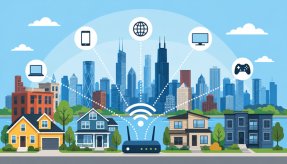
Chicago Neighborhood Internet Guide for Better Connectivity
Explore internet options across Chicago neighborhoods, compare providers, understand speeds, costs, and find the best broadband solution.