How to Stay Connected: Free Wi-Fi Anywhere You Go
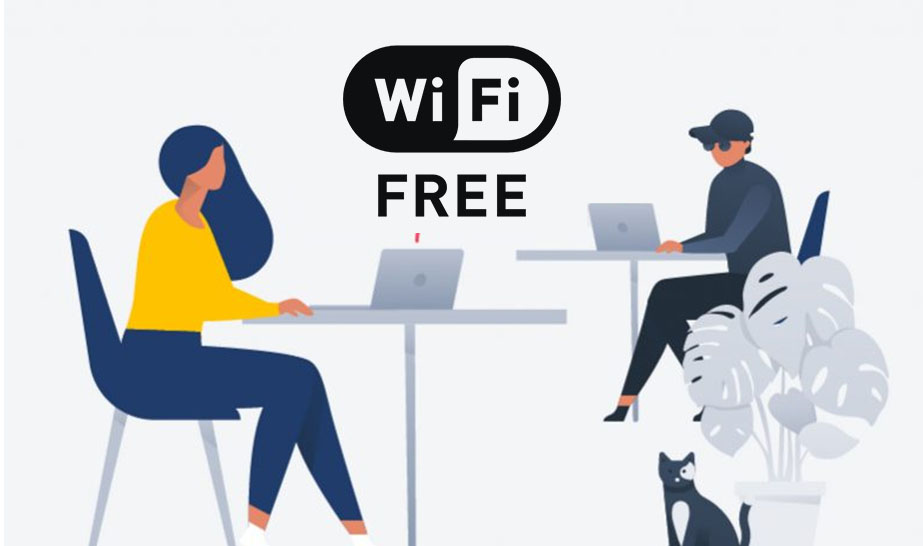
Staying connected has become a daily necessity, not a luxury. Whether you’re working remotely, traveling, studying, or just trying to save on mobile data, access to reliable internet matters. Unfortunately, home internet plans, mobile data, and roaming fees can add up quickly.
The good news? Free Wi-Fi is far more common today than most people realize. From national chains to local community spaces, there are plenty of ways to get online without paying extra—if you know where to look and how to stay safe while doing it.
This guide breaks down the most reliable places to find free Wi-Fi anywhere you go, plus practical tips to protect your data and make the most of public internet access.
Why Free Wi-Fi Is More Available Than Ever
Over the past decade, businesses have recognized that Wi-Fi access attracts customers and keeps them around longer. Cafés, restaurants, retail stores, and even gyms now treat internet access as a basic amenity.
At the same time, the rise of remote work, freelancing, and online learning has increased demand for flexible internet options. As a result, free Wi-Fi has expanded beyond coffee shops into public spaces, transportation hubs, and everyday businesses.
Still, not all free Wi-Fi is created equal. Some networks are fast and reliable, while others are limited or unsecured. Knowing where to connect—and how to use it responsibly—makes all the difference.
Coffee Shops and Cafés: The Go-To Free Wi-Fi Option
Coffee shops remain one of the most popular places to find free Wi-Fi. They’re designed for people to sit, relax, and stay awhile, making them ideal for casual browsing, remote work, or streaming.
Starbucks is one of the best-known examples, offering free Wi-Fi at nearly all U.S. locations. You don’t always need to make a purchase, though it’s considered polite to do so if you’re staying for a while.
Other local and national cafés often provide Wi-Fi as well, sometimes with faster speeds and fewer restrictions than larger chains. Smaller cafés may even be quieter and better suited for work sessions.
When using café Wi-Fi, try to avoid logging into sensitive accounts unless you’re using a VPN or a secure connection.
Restaurants and Fast-Food Chains
Many fast-food restaurants and casual dining chains now offer free Wi-Fi as part of the experience. These places are convenient if you need quick internet access while grabbing a meal.
Common examples include burger chains, sandwich shops, and casual sit-down restaurants. Wi-Fi speeds may vary, and some locations limit access during peak hours, but it’s usually good enough for browsing, email, and basic work tasks.
If you plan to stay longer, choose off-peak hours to avoid slow speeds caused by heavy network traffic.
Retail Stores and Shopping Centers
Large retail chains increasingly offer free Wi-Fi to enhance the shopping experience. Customers use it to compare prices, access digital coupons, or browse online while in-store.
Many shopping malls also provide complimentary Wi-Fi throughout common areas. This can be especially useful if you’re waiting, traveling with others, or need a place to sit and work briefly.
Retail Wi-Fi is usually easy to access but may block certain websites or streaming services.
Popular Stores That Commonly Offer Free Wi-Fi
You can often find free Wi-Fi at the following locations across the U.S.:
- Target
- Subway
- Taco Bell
- Michaels
- Starbucks
- Apple Stores
- Barnes & Noble
- McDonald’s
- Panera Bread
- Dunkin’ Donuts
- Buffalo Wild Wings
- Whole Foods
- Staples
- Best Buy
Policies can vary by location, but most of these places offer consistent and reliable access.
Libraries: One of the Best Free Wi-Fi Options
Public libraries are among the most reliable and secure places to use free Wi-Fi. They’re designed for quiet work, research, and learning, making them ideal for students and remote workers.
Many libraries offer strong internet connections, power outlets, and even private study rooms. Some also extend Wi-Fi access outside the building so people can connect after hours.
If you need a calm environment with fewer distractions, libraries are one of the best choices.
Hotels and Lodging
Most hotels now offer free Wi-Fi, especially if you book directly or join their loyalty programs. While speeds can vary, hotel Wi-Fi is usually sufficient for browsing, video calls, and streaming.
Some hotels reserve higher-speed internet for paid upgrades, but basic access is often free in guest rooms and common areas like lobbies.
If you’re traveling, always ask about Wi-Fi policies during check-in to avoid unexpected fees.
Transportation Hubs and Travel Locations
Airports, bus terminals, and train stations increasingly provide free Wi-Fi for travelers. While these networks can be crowded and slower, they’re convenient for checking email, downloading tickets, or browsing while waiting.
Airline lounges and premium waiting areas often offer faster and more secure Wi-Fi, sometimes included with memberships or credit card perks.
Because these locations are high-traffic, using a VPN is especially important.
Community Spaces and Unexpected Locations
Free Wi-Fi isn’t limited to obvious places. Many gyms, museums, laundromats, and community centers now offer internet access to visitors.
These locations may not advertise Wi-Fi heavily, so don’t hesitate to ask staff if it’s available. In some cases, you’ll find quieter and less crowded networks than in cafés or fast-food restaurants.
Using Wi-Fi Finder Apps and Maps
If you’re unfamiliar with an area, Wi-Fi finder apps can help locate nearby hotspots. Many apps and map services show public networks, business Wi-Fi locations, and even user-rated connection quality.
Some apps allow you to download hotspot maps for offline use, which is helpful when traveling internationally or in areas with poor mobile coverage.
Staying Safe on Public Wi-Fi
While free Wi-Fi is convenient, security should always be a priority. Public networks are often unsecured, making it easier for hackers to intercept data.
Here are a few essential safety tips:
- Avoid accessing banking or financial accounts on public Wi-Fi
- Use HTTPS websites whenever possible
- Disable automatic connections to open networks
- Keep your device’s software updated
- Use a VPN for added protection
If you’re unsure how a VPN helps, this guide explains why it’s essential on public networks: Why You Need a VPN
When Free Wi-Fi Isn’t Enough
Free Wi-Fi works well for occasional use, but it’s not always ideal for daily needs. Speeds can be inconsistent, connections may drop, and privacy risks are always present.
If you work from home, attend online classes, or stream regularly, a reliable internet plan may be a better long-term solution. Affordable internet options are available for different budgets and usage levels.
Need Internet for Daily Use?
If you’re ready for a more stable and secure connection, exploring low-cost internet plans can help you stay connected without overpaying.

Final Thoughts
Free Wi-Fi is everywhere if you know where to look. From coffee shops and libraries to retail stores and public spaces, staying connected on the go has never been easier.
By combining smart location choices with basic security practices, you can enjoy free internet access safely and conveniently—whether you’re traveling, working remotely, or just saving on data.
Related Posts
 Broadband Deals
What Is TDS Internet and Is It Right for Your Home?
Learn what TDS Internet is, how it works, available plans, pricing, speeds, benefits, and how it compares with other internet providers.
 Internet Bundles
Bundle Internet, TV, and Phone Without Overpaying
Learn how to bundle internet, TV, and phone services for the best value. Compare plans, avoid hidden fees, and choose the right package for your home.
 Broadband Deals
cable deal
cheap internet deals
Broadband Deals
cable deal
cheap internet deals
Chicago Neighborhood Internet Guide for Better Connectivity
Explore internet options across Chicago neighborhoods, compare providers, understand speeds, costs, and find the best broadband solution.
 Technology
Wifi
Technology
Wifi
7 Reasons You Can’t Connect to the Internet (and How to Fix Them)
Learn the 7 most common reasons you can’t connect to the internet and discover practical troubleshooting steps to restore your Wi-Fi or wired connection fast.
 Broadband Deals
cable deal
cheap internet deals
Technology
Broadband Deals
cable deal
cheap internet deals
Technology
Fixed Wireless vs 5G Home Internet: Better Than Cable?
Compare fixed wireless and 5G home internet with cable internet. Learn the pros, cons, speeds, costs, and which option fits your home best.