How to Get Free or Cheap Internet
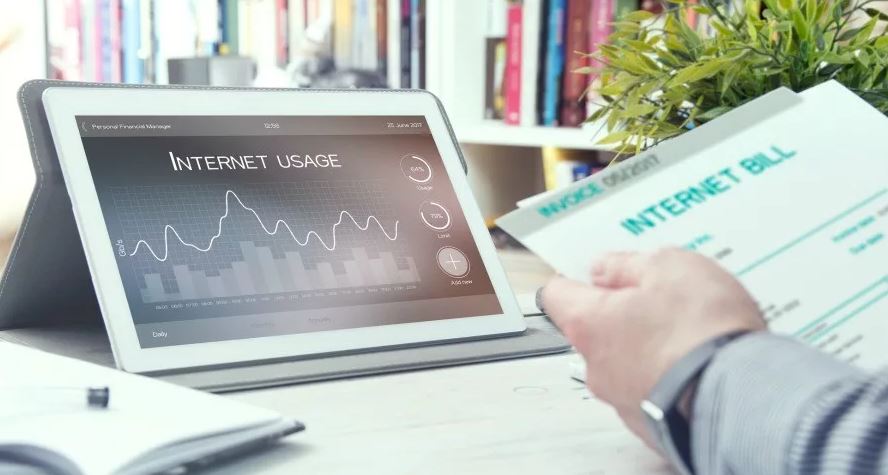
To help you save your hard-earned dollars, these are the six ways to get a cheap or free Internet connection. In fact, there are many ways to get free Internet at home and on the go, be it via a mobile phone, tablet, or even a laptop.
These options on this list show you how to get free or cheap Internet at home and on the go, and for good measure, also included a few tips on how to save money with your existing Internet connection. None of these options involves moving to the Starbucks next door to connect to wifi, but don't worry, you'll get a hefty discount on Internet service. And if you don't get it for free, you'll also get hefty discounts on other Internet services.
FreedomPop
FreedomPop offers free mobile and home internet plans nationwide. Each plan offers a limited amount of free monthly data to subscribers, and you can upgrade to a higher plan for higher speeds, better coverage, and more data allowance. But let’s stick to the free plans for now.
FreedomPop’s mobile internet plan includes 200MB of mobile data, 500 text messages, and 200 minutes of talk for free every month. To enroll, just go to FreedomPop’s website and order a free SIM card. This SIM will work with any unlocked mobile phone.
On the flip side, FreedomPop’s home internet plan includes 500MB free internet every month. However, keep in mind that you need to purchase a FreedomPop mobile hotspot in order to use its home internet.
Both of these plans offer enough free data for light browsing. If you decide to go the FreedomPop route, we recommend getting their mobile and home plans, so you have more free internet to work with.
Unreal Mobile
Sure, $10 per month isn’t free, but hear us out…
UNREAL Mobile is a new competitor to the mobile data market. They have one mobile plan: it’s $10 per month, works on any unlocked smartphone, and included unlimited calling, unlimited texts, and 1GB of mobile data. If you need more data, simply subscribe to one of their more premium plans.
Similar plans on other, more mainstream mobile carriers could easily cost $50 or more per month for the same coverage—so if you’re looking for a new carrier, they’re definitely worth checking out.
Want to try before you buy? No worries: UNREAL mobile will send you your SIM card for free, and you can trial the mobile service free for 14 days. If you don’t like it, just email their support team and you’ll be refunded in full
Related: Things To Watch Out For A Cheap Unlimited Mobile Data Plan

WiFiMap
Heading out of the house to work remotely? Make sure to download WiFiMap to your smartphone before you head out. This app will show you free internet hotspots anywhere in the world, so you can browse for free no matter where you want to work.
Even cooler, WiFiMap users can contribute passwords to hotspots around the world. This saves you a trip to the coffee bar for the wifi passcode—something that comes in handy when traveling in a foreign country where you don’t speak the language.
EveryoneOn
EveryoneOn is a program headed by the FCC that helps low-income and otherwise disadvantaged families find free and discounted home internet.
Not everyone is eligible for a free or discounted plan, but you can check your eligibility by navigating to their website, entering your ZIP code, and answering a few eligibility questions. Some plans in the New York area start at just $10 per month!
Related: Free 60 days Internet Essential Package for Low-Income Family Offered by Comcast
NetZero
NetZero is a veteran of the Dial-Up age. The internet service provider has offered free internet to Americans since the 90’s—and to the surprise of many, the service still exists in 2020.
Like FreedomPop, NetZero has two plans: home and mobile. Its home internet plan is currently restricted to dial-up speeds, meaning that the speeds will be much slower than anything you’re used to in 2018—but hey, it’s free, right?
Alternatively, NetZero also offers free mobile internet for use with mobile wifi hotspots and smartphones. Currently, NetZero’s mobile internet plans can only be used with Sprint-compatible devices, so make sure that your device is compatible before ordering a SIM card.
As you’d expect, there are pretty hefty restrictions on how much free data you can use on NetZero. The home plan is capped at 10 hours of use per month, and the mobile plan is limited to 200MB of usage per month.
AT&T Access
Alternatively, AT&T has long offered AT&T Access, a lower-priced version of its high-speed home internet. These plans are available to low-income families, and anyone on the SNAP program is eligible for these discounted rates.
AT&T Access plans start at just $5 per month for 3 Mbps download speeds, and 10 Mbps are available for $10 per month. Even better, there are no commitments, no contracts, and no deposit required when you first start AT&T Access service.
Like other AT&T plans, AT&T Access also gives you unlimited wi-fi access at AT&T hotspots around the globe. You can find AT&T hotspots at hotels, airports, and cafes.

Related Posts
 Broadband Deals
cable deal
cheap internet deals
Technology
Broadband Deals
cable deal
cheap internet deals
Technology
Fixed Wireless vs 5G Home Internet: Better Than Cable?
Compare fixed wireless and 5G home internet with cable internet. Learn the pros, cons, speeds, costs, and which option fits your home best.
 Regulations
Technology
Regulations
Technology
What Is Powerline Internet? Everything You Need to Know
Learn what Powerline Internet is, how it works, its pros and cons, speed, setup, and whether it’s the best solution for extending reliable internet at home.
 Broadband Deals
cheap internet plans
Broadband Deals
cheap internet plans
Spectrum Internet Cost After 12 Months Explained
Learn how much Spectrum Internet costs after promotional pricing ends. Discover standard rates, billing factors, and ways to reduce monthly costs.
 Internet Bundles
Broadband Deals
Internet Bundles
Broadband Deals
Best Rural Internet Providers to Keep You Connected in 2026
Discover the best rural internet providers in 2026. Compare Xfinity, CenturyLink, and Viasat by speed, pricing, reliability, and coverage.
 Broadband Deals
cheap internet deals
cheap internet plans
Broadband Deals
cheap internet deals
cheap internet plans
Portland ISP Providers: How to Find the Best Internet Service
Compare Portland ISP providers, internet speeds, pricing, and availability. Learn how to choose the best internet service for your home or business.