Using the Internet Can Protect You From Coronavirus
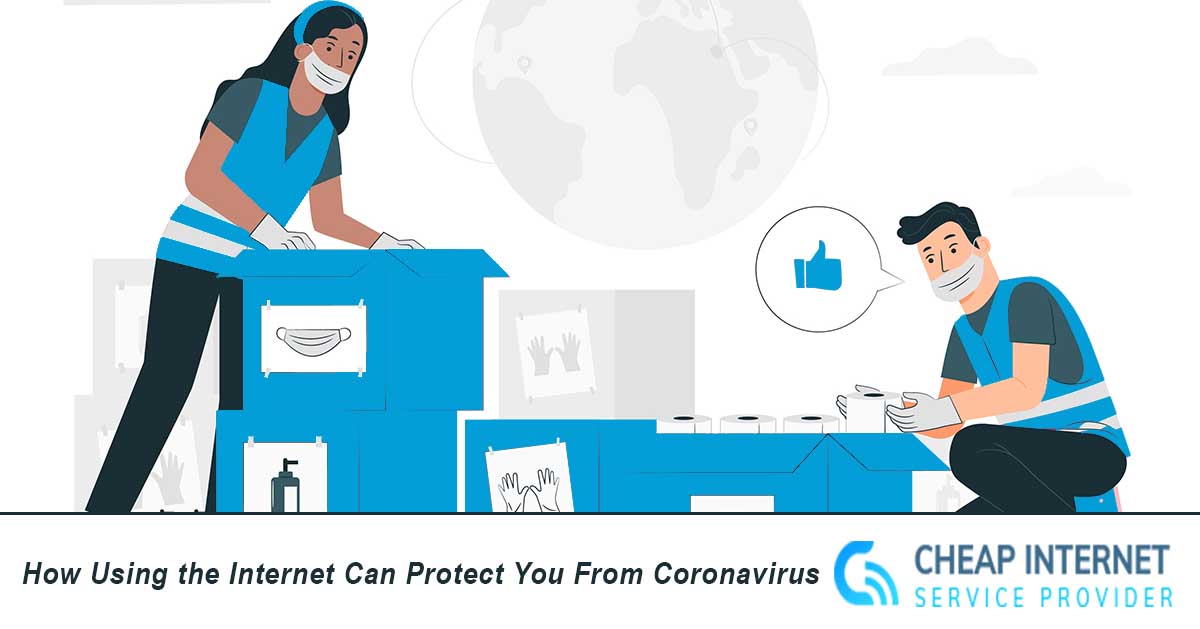
The internet has never been more useful with widespread mandates to stay at home. Online tools will help you keep your distance from society and remain safe from COVID-19. You will ensure the risk of contamination is low with infinite data flows, creative collaboration methods, and an array of distribution services.
Use the internet to stay updated
Understanding it is one of the most important ways to remain healthy from a global virus. The internet is your best tool to remain informed about possible signs, methods of prevention, your area's current status, and the latest government actions.
Your preferred news source probably has up-to-date COVID-19 details. News aggregators such as quartz can compile short and digestible summaries of the latest news from across the web in order to get a wider range of insight. On applications and websites such as Twitter, Google News, and iOS settings, you can also toggle on the disaster, emergency, and public health warning alerts.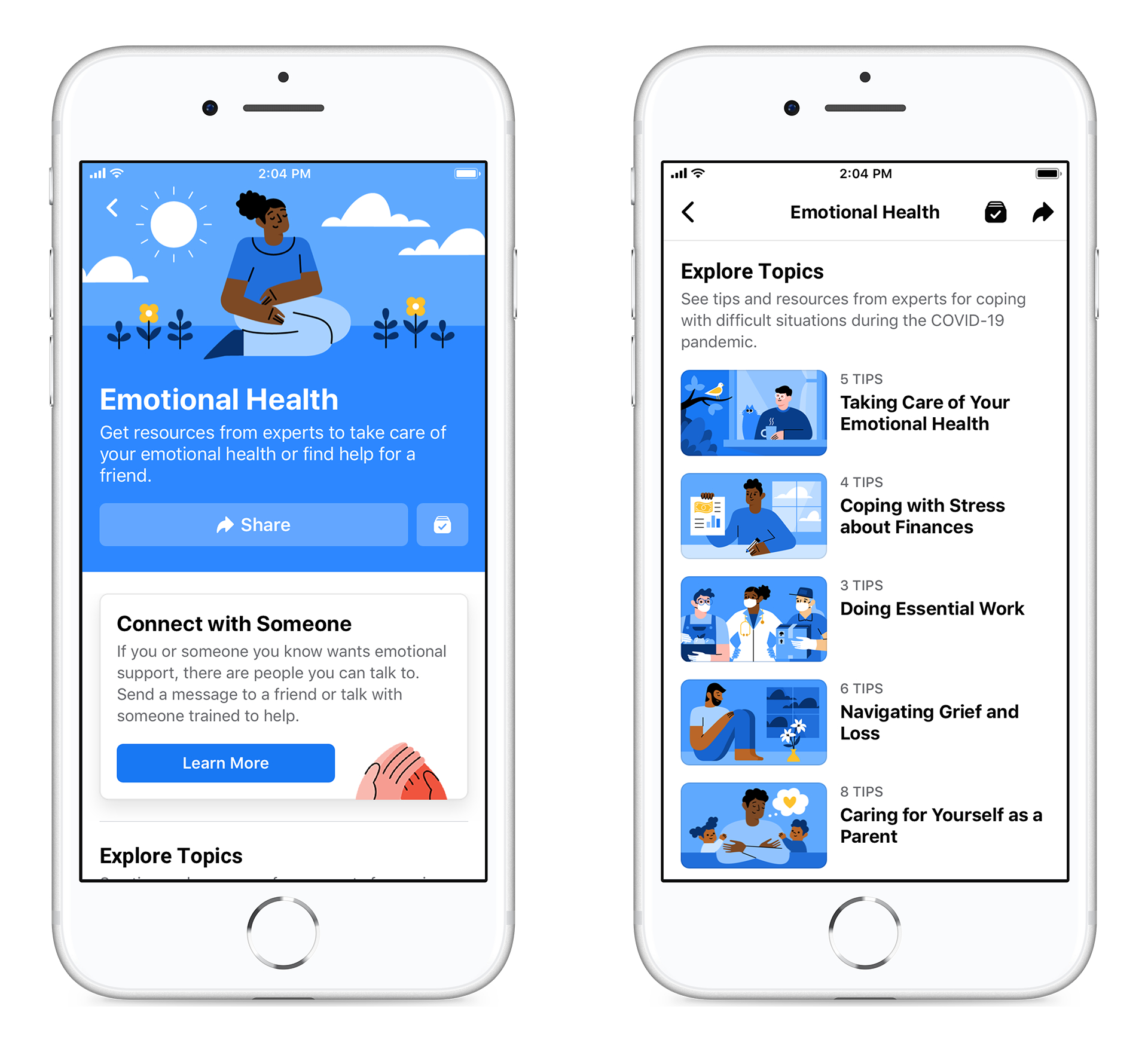
The website of the Centers for Disease Control and Prevention (CDC ) is the official coronavirus authority and has plenty of tools to explore. For more detailed insight, the websites or social media pages of your local state, county, and the city should also provide alerts and information about what is happening near you.
If you can, stick to telehealth systems.
Public health authorities are advising individuals to use remote medical treatment for non-emergency digital health services. This will help relieve hospital space limitations, minimize the risk of contracting something, and help discourage healthcare providers from spreading the virus. Via video chat, phone call, or message, several clinics give regular checkups and drug refills remotely.
Even if you believe that you might have COVID-19, there are state hotlines to decide if you should be screened, linked to a physician's virtual appointment, or seek medical assistance in person. The exact digital capabilities vary by hospital, but there is some form of telehealth service for almost 80 percent. Check the website of your healthcare provider or health insurer for customized policy information and telehealth access.
Take advantage of online grocery and food distribution systems
By using online resources to stop going out you will restrict social activity and possible communication with the virus. Same-day delivery, delayed shipment, and curbside pickup are offered by many grocery stores. Although you might encounter trouble arranging a same-day grocery delivery or notice that due to demand, certain goods are out of stock.
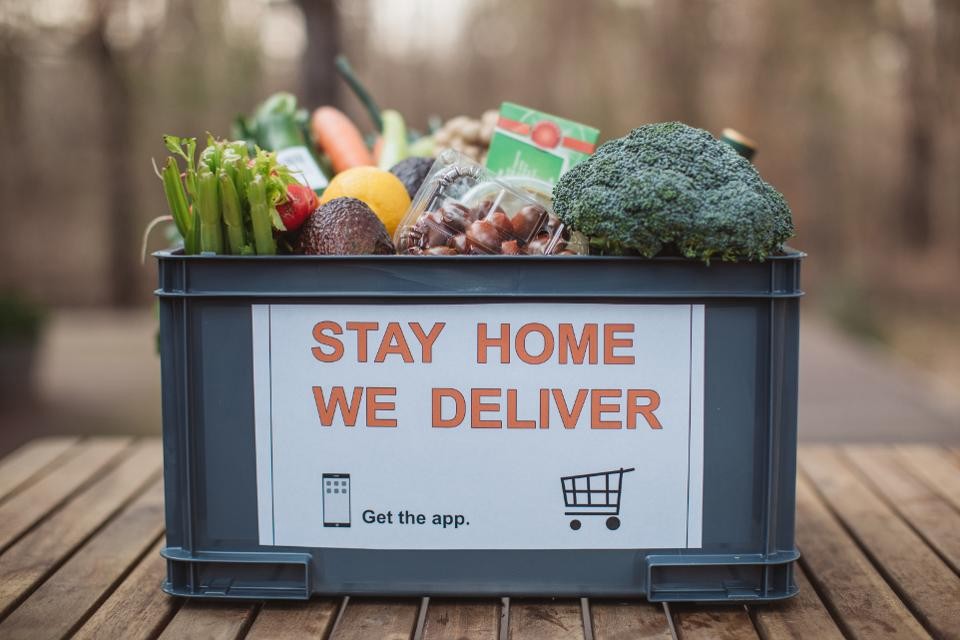
To get food or groceries shipped to your house, you can use websites like Instacart, ClickList, Uber Eats, Grub Hub, and Postmates. Most of these businesses are waiving delivery fees and adopting recommended precautions from the CDC, such as non-contact drop-offs.
The bottom line
During a pandemic, the internet is an important resource to keep communities secure and connected. Your internet connection will help you remain secure, informed, and maintain safe distances from possible pollution, more than just an entertainment outlet.
Related Articles:
Online Security: Coronavirus Internet Scams to look out for
How to Avail Free Internet During Coronavirus Outbreak
Related Posts
 Technology
Wifi
mobile phone plans
Technology
Wifi
mobile phone plans
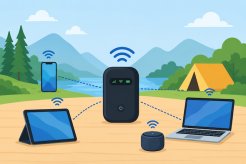
What Is a Mobile Hotspot and How Does It Work?
A mobile hotspot is a portable feature or device that converts a cellular data connection (like 4G LTE or 5G) into a private Wi-Fi network
 Broadband Deals
cable deal
Broadband Deals
cable deal
Xfinity Cable Package Deals That Actually Deliver Value
Discover the best Xfinity cable package deals, compare internet and TV bundles, understand pricing, and choose the right plan for your home and budget.
 Broadband Deals
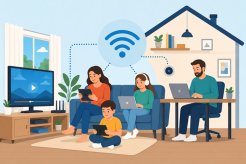
What Is TDS Internet and Is It Right for Your Home?
Learn what TDS Internet is, how it works, available plans, pricing, speeds, benefits, and how it compares with other internet providers.
 Internet Bundles
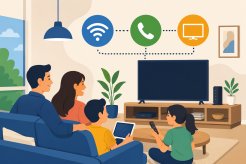
Bundle Internet, TV, and Phone Without Overpaying
Learn how to bundle internet, TV, and phone services for the best value. Compare plans, avoid hidden fees, and choose the right package for your home.
 Broadband Deals
cable deal
cheap internet deals
Broadband Deals
cable deal
cheap internet deals
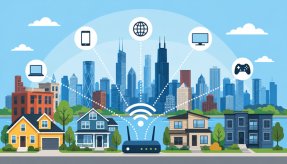
Chicago Neighborhood Internet Guide for Better Connectivity
Explore internet options across Chicago neighborhoods, compare providers, understand speeds, costs, and find the best broadband solution.