Smart Homes Made Easy With Affordable Internet
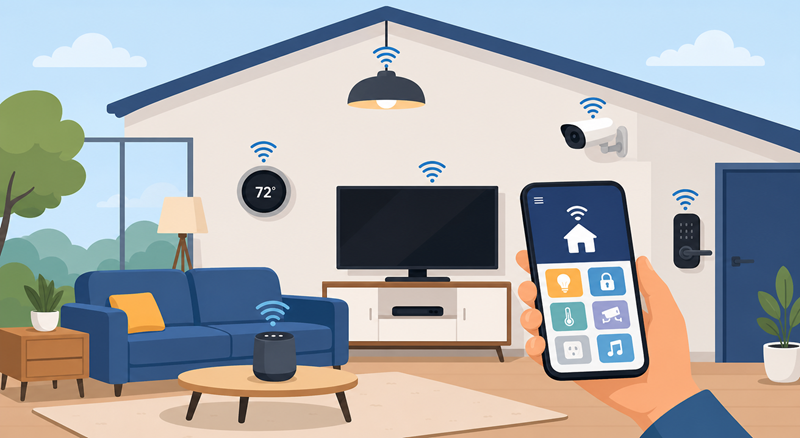
Smart home technology is no longer limited to luxury homes or tech enthusiasts. From smart speakers and video doorbells to connected thermostats and security cameras, more households are embracing devices that simplify everyday living. The key to making all of it work smoothly is having reliable and affordable internet that can support multiple connected devices at once.
Today, families, students, renters, and remote workers are all looking for practical ways to stay connected without overspending. That’s where choosing the right internet service becomes important. With the rise of smarter devices and digital lifestyles, finding the right connection can make your home more efficient, secure, and comfortable.
Whether you are building your first connected apartment or upgrading your existing setup, understanding how affordable internet supports smart homes can help you make smarter decisions for your lifestyle and budget.
Why Smart Homes Depend on Reliable Internet
A smart home works through connected devices communicating over the internet. Every command you give to a voice assistant, every security alert you receive, and every automated routine depends on a stable connection.
Without dependable internet, devices may lag, disconnect, or stop syncing properly. This becomes especially noticeable when several devices are running simultaneously.
Common Smart Devices That Need Internet
Modern homes often include:
Smart TVs and streaming devices
Voice assistants
Smart thermostats
Security cameras
Smart locks
Video doorbells
Wi-Fi-enabled appliances
Smart lighting systems
As more devices connect to the same network, your internet needs naturally increase. This is why many households are now searching for budget internet plans that offer both affordability and reliable performance.
Affordable Internet Is Changing Modern Living
The idea that smart homes require expensive internet packages is outdated. Many providers now offer practical internet solutions designed for average households with everyday usage needs.
Affordable internet allows families to enjoy convenience without stretching monthly expenses. It also helps renters, students, and small households access smart technology without committing to premium plans they may not fully use.
Better Connectivity Without Overspending
Most smart home devices do not consume massive amounts of bandwidth individually. The real challenge comes from managing multiple devices at once while maintaining stable performance.
This is why selecting the right speed tier matters more than simply choosing the most expensive plan available.
For smaller homes and apartments, a reliable 100 mbps internet setup is often enough to support streaming, video calls, gaming, and several smart devices running together.
Smart Home Features That Improve Everyday Life
Connected homes are popular because they solve everyday problems in simple ways. The convenience they provide can save time, improve security, and even lower energy costs.
Smart Security Systems
Security is one of the main reasons homeowners invest in smart devices. Video doorbells, motion sensors, and smart locks allow you to monitor your property remotely from your phone.
Real-time notifications and remote access provide peace of mind whether you are at work or traveling.
Energy Savings Through Automation
Smart thermostats and automated lighting systems can reduce unnecessary electricity usage. You can create schedules that automatically adjust temperatures or turn lights off when rooms are empty.
Over time, these small adjustments can reduce monthly utility costs.
Better Entertainment Experiences
Streaming devices and smart TVs allow households to access entertainment instantly. Multi-room audio systems and voice-controlled media create a more connected experience across the home.
A strong internet connection helps eliminate buffering and improves streaming quality for everyone in the household.
Choosing the Right Internet Speed for a Smart Home
One of the biggest mistakes people make is either underestimating or overpaying for internet speed. Smart homes require balance rather than maximum speed.
Small Apartments and Single Users
If you live alone or in a smaller apartment, moderate internet speeds are usually enough for smart devices, streaming, and remote work.
Students and renters can often benefit from more affordable options designed specifically for lighter usage needs. Many people searching for budget-friendly internet solutions are surprised by how capable entry-level plans have become.
Medium-Sized Families
Homes with multiple users streaming content, attending online classes, gaming, and using smart devices at the same time may require higher speeds.
In these cases, consistency matters more than headline download numbers. Reliable upload speeds and stable Wi-Fi coverage are equally important.
Large Smart Homes
Larger homes with extensive automation systems and many connected devices may benefit from advanced routers, mesh Wi-Fi systems, and faster internet plans.
However, even large households can avoid overspending by matching internet plans to actual usage habits instead of marketing promises.
Fiber vs Wireless Internet for Smart Homes
Choosing between fiber and wireless home internet is becoming a common question for smart homeowners.
Fiber internet is known for its speed and stability, while wireless options offer flexibility and affordability in many areas.
If you are comparing technologies, understanding the differences between 5g home internet vs fiber can help determine which option better fits your smart home setup.
Benefits of Fiber Internet
Fiber offers:
Extremely fast speeds
Low latency
Reliable performance during peak hours
Better support for heavy streaming and gaming
Benefits of Wireless Home Internet
Wireless home internet often provides:
Easier installation
Lower upfront costs
Flexible contracts
Strong coverage in growing service areas
Both options can power smart homes effectively depending on household size and device usage.
How Smart Homes Can Actually Save Money
Many people focus on the cost of devices and internet but overlook the long-term savings smart homes can provide.
Reduced Energy Consumption
Automated thermostats and lighting systems help avoid wasted electricity.
Lower Security Costs
DIY smart security systems can reduce the need for expensive monitored security services.
Fewer Service Calls
Connected appliances can alert homeowners to maintenance issues before major repairs become necessary.
When paired with affordable internet service, these savings can offset much of the initial investment over time.
Tips for Building a Smart Home on a Budget
You do not need to automate your entire house overnight. Starting small is often the smartest approach.
Start With Core Devices
Focus first on devices that improve daily convenience or security, such as:
Smart speakers
Smart plugs
Video doorbells
Smart thermostats
Prioritize Wi-Fi Coverage
A reliable router is just as important as your internet plan. Weak Wi-Fi signals can make even fast internet feel slow.
Consider mesh Wi-Fi systems if your home has dead zones or multiple floors.
Avoid Unnecessary Devices
Not every appliance needs internet connectivity. Choose devices that provide practical value instead of buying products simply because they are labeled “smart.”
The Future of Connected Living
Smart home technology continues to evolve rapidly. Voice assistants are becoming more advanced, automation systems are improving, and connected devices are becoming more affordable each year.
As internet infrastructure expands, more households will gain access to affordable high-speed service capable of supporting connected lifestyles.
This shift is making smart living accessible to more people than ever before.
The demand for better value, stronger performance, and flexible pricing has also pushed providers to improve offerings for consumers searching for the best budget internet provider in their area.
At the same time, households are increasingly prioritizing best budget internet options that deliver dependable performance without unnecessary extras.
Common Smart Home Mistakes to Avoid
Building a smart home becomes much easier when you avoid common setup problems.
Ignoring Internet Reliability
Even the best devices perform poorly with unstable internet. Always prioritize connection quality before expanding your smart home system.
Overloading Older Routers
Older routers may struggle with many connected devices. Upgrading your router can dramatically improve overall performance.
Weak Password Security
Connected homes should always use strong passwords and secure networks to protect devices from unauthorized access.
Buying Incompatible Devices
Before purchasing new products, confirm they work with your preferred smart home ecosystem.
Conclusion
Smart homes are no longer a luxury reserved for expensive properties or tech experts. Affordable internet and accessible smart devices have made connected living practical for everyday households.
From improving security and convenience to reducing energy costs, smart technology can genuinely improve daily life when supported by reliable internet service.
The key is finding the right balance between speed, coverage, and affordability. By choosing practical internet plans and building your smart home gradually, you can create a connected living experience that fits both your needs and your budget.
FAQs
What internet speed is good for a smart home?
Around 100 Mbps is usually enough for small to medium smart homes with multiple connected devices.
Can affordable internet support smart devices?
Yes, many affordable internet plans easily support streaming, automation, and connected home devices.
Do smart homes use a lot of data?
Most smart devices use minimal data individually, but streaming and security cameras can increase usage.
Is fiber internet necessary for smart homes?
Not always. Wireless and cable connections can also support smart homes effectively depending on usage.
What is the best first smart home device to buy?
Smart speakers and smart plugs are affordable starting points for most households.
Related Posts
 Technology
Wifi
mobile phone plans
Technology
Wifi
mobile phone plans
What Is a Mobile Hotspot and How Does It Work?
A mobile hotspot is a portable feature or device that converts a cellular data connection (like 4G LTE or 5G) into a private Wi-Fi network
 Broadband Deals
cable deal
Broadband Deals
cable deal
Xfinity Cable Package Deals That Actually Deliver Value
Discover the best Xfinity cable package deals, compare internet and TV bundles, understand pricing, and choose the right plan for your home and budget.
 Broadband Deals
What Is TDS Internet and Is It Right for Your Home?
Learn what TDS Internet is, how it works, available plans, pricing, speeds, benefits, and how it compares with other internet providers.
 Internet Bundles
Bundle Internet, TV, and Phone Without Overpaying
Learn how to bundle internet, TV, and phone services for the best value. Compare plans, avoid hidden fees, and choose the right package for your home.
 Broadband Deals
cable deal
cheap internet deals
Broadband Deals
cable deal
cheap internet deals
Chicago Neighborhood Internet Guide for Better Connectivity
Explore internet options across Chicago neighborhoods, compare providers, understand speeds, costs, and find the best broadband solution.