Small Business WiFi Setup and Optimization Guide
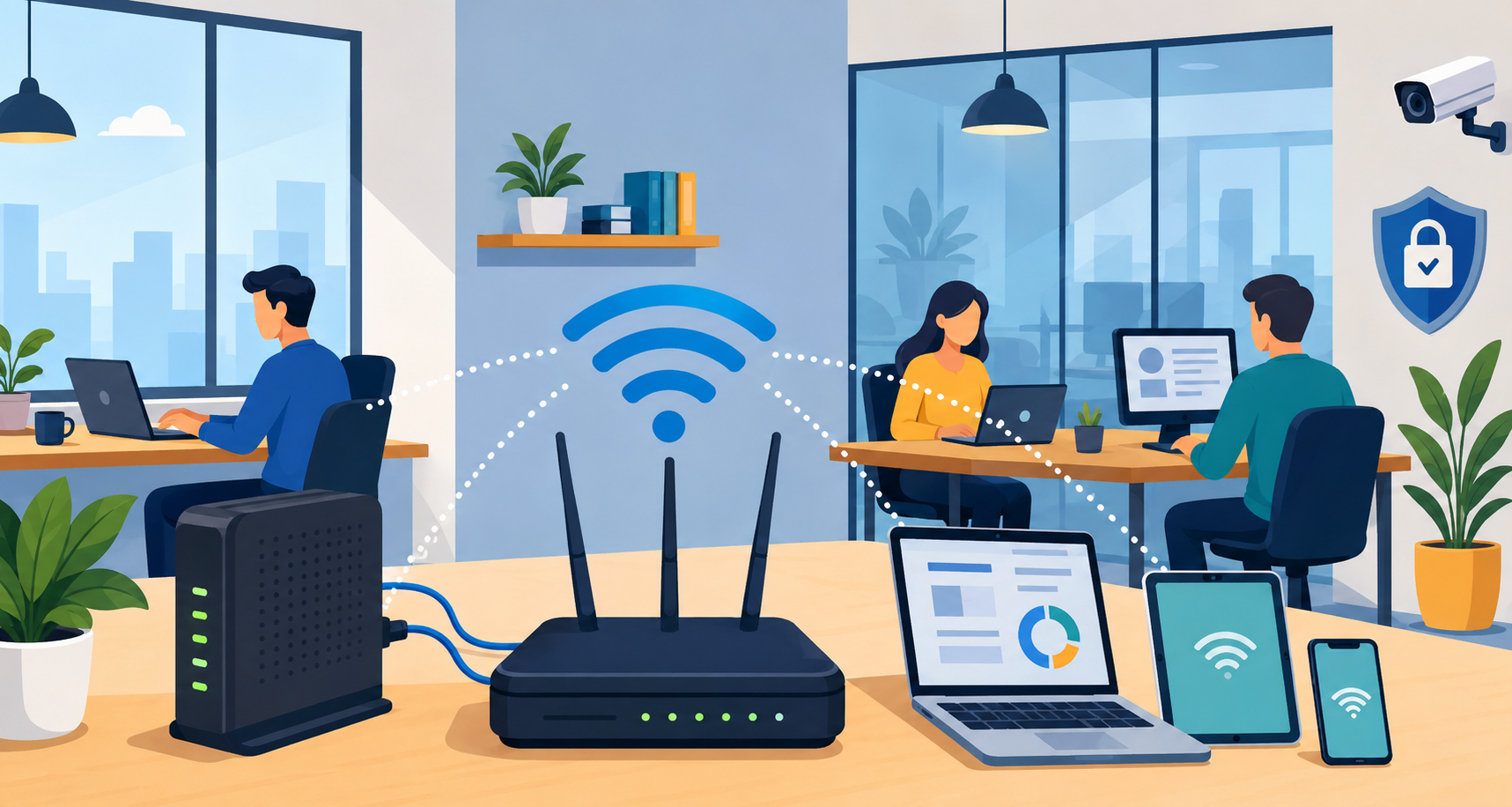
Reliable internet is no longer optional for small businesses. From video meetings and cloud-based software to payment processing and customer WiFi access, your network affects nearly every part of daily operations. A slow or poorly configured connection can lead to downtime, frustrated employees, and lost productivity.
Learning how to set up and optimize a WiFi network for a small business starts with choosing the right equipment, securing the network properly, and making sure coverage reaches every important area of your workspace. Whether you run a small office, retail store, home-based business, or startup workspace, building a stable network creates a smoother experience for both your team and your customers.
Before setting up your WiFi network, you’ll need a dependable internet connection. Businesses looking for reliable connectivity options to find plans that match their speed requirements and budget.
Why a Strong WiFi Network Matters for Small Businesses
A business WiFi network handles far more than casual browsing. Most small companies rely on internet access for:
Video conferencing
Cloud storage and collaboration tools
Point-of-sale systems
VoIP phone systems
Security cameras
Customer guest networks
Remote work access
File transfers and backups
When your network struggles, everything connected to it slows down as well. A properly optimized setup improves speed, security, and reliability while reducing interruptions during business hours.
What You Need Before Setting Up Business WiFi
Before configuring your wireless network, make sure you have the following essentials ready.
Internet Service Connection
Your WiFi network depends entirely on the quality of your internet connection. Choose a business-grade internet package with enough bandwidth for your employees and connected devices.
Fiber internet is usually the best option for businesses because it delivers faster upload and download speeds with lower latency. Cable internet is also a strong choice for many small offices. DSL and satellite internet may work in rural locations but can have speed limitations.
Choose the Right Modem
A modem connects your business to the internet service provider. Its job is to translate the signal coming from your ISP into a usable internet connection.
Depending on your provider, the modem may support:
Fiber internet
Cable internet
DSL service
Satellite internet
Some internet providers include a modem with installation, while others allow businesses to purchase their own equipment for better performance.
To connect your modem, plug the ISP cable into the modem and use an Ethernet cable to connect it to your router.
Businesses setting up internet service for the first time often review self-install internet setup instructions for business networksto simplify the installation process.
Select a High-Performance Router
The router is the heart of your wireless network. It distributes internet access across multiple devices and broadcasts your WiFi signal throughout your office or workspace.
For small businesses, choosing the right router is critical. Consumer-grade routers may struggle when too many devices connect simultaneously.
Features to Look for in a Business Router
Dual-Band or Tri-Band Support
Modern routers operate on both 2.4GHz and 5GHz bands. Dual-band routers improve speed and reduce congestion.
WiFi 6 Compatibility
WiFi 6 routers provide better speed, efficiency, and support for multiple connected devices.
Guest Network Capability
A guest network allows customers or visitors to access WiFi without connecting to your primary business systems.
Advanced Security Features
Look for routers with:
WPA3 encryption
Firewall protection
VPN support
Automatic firmware updates
Quality of Service (QoS)
QoS helps prioritize important business traffic such as Zoom meetings or VoIP calls.
How to Connect Your Business WiFi Network
Once you have your modem and router ready, you can begin connecting your network.
Step 1: Connect the ISP Cable
Attach the cable or telephone line from your internet provider to the modem.
Step 2: Connect the Router to the Modem
Use an Ethernet cable to connect the modem to the router’s WAN or Internet port.
Step 3: Plug in Both Devices
Connect both the modem and router to power outlets using their included power adapters.
Step 4: Power Everything On
Turn on the modem first and allow it to fully connect to your internet provider. Then turn on the router.
Wait a few minutes while the devices establish communication.
Step 5: Verify Internet Access
Connect a computer or smartphone to the router and test the internet connection.
If the network is not working, restart both devices and confirm all cables are securely attached.
How to Configure Your WiFi Network Properly
Once your hardware is connected, it’s time to configure your wireless network settings.
Access the Router Dashboard
Most routers include a web-based control panel for setup and customization.
Find the Router IP Address
Check the label underneath the router or inside the manual for:
Default IP address
Admin username
Default password
Common router IP addresses include:
192.168.0.1
192.168.1.1
Log Into the Router Interface
Open your browser and enter the IP address into the address bar.
You’ll then log into the router dashboard using the provided credentials.
Change the Default Admin Password
One of the most important security steps is changing the default router password immediately.
Default credentials are widely known and can expose your business network to unauthorized access.
Use:
Strong passwords
Uppercase and lowercase letters
Numbers and symbols
At least 12 characters
Create Your WiFi Network Name
Your network name is also known as the SSID.
Choose a professional but non-identifiable name. Avoid using your business address or sensitive information in the network name.
Example:
Better: “NorthpointOfficeWiFi”
Avoid: “123MainStreetOffice”
Set a Secure WiFi Password
Create a strong WiFi password using WPA2 or WPA3 encryption.
Avoid:
Business phone numbers
Simple words
Short passwords
Reused passwords
A secure wireless password helps prevent bandwidth theft and unauthorized access.
Optimize Router Placement for Better Coverage
Router placement directly affects WiFi speed and signal quality.
Best Router Placement Tips
Place the Router Centrally
Install the router near the center of your workspace whenever possible.
Avoid Thick Walls
Concrete walls, metal structures, and large furniture can weaken signals.
Keep the Router Elevated
Position the router on a shelf or desk rather than the floor.
Reduce Interference
Keep the router away from:
Microwaves
Bluetooth devices
Cordless phones
Large electronics
How to Improve WiFi Speed in a Small Office
Even with fast internet service, poor optimization can slow your network down.
Limit Connected Devices
Too many devices using the same network can create congestion.
Disconnect unused:
Phones
Tablets
Smart TVs
IoT devices
Use Wired Connections for Critical Equipment
Computers handling large uploads, servers, or point-of-sale systems perform better with Ethernet connections.
Wired connections improve:
Stability
Speed
Security
Upgrade Outdated Equipment
Older routers may not support modern speeds or device loads.
If your router is more than 4–5 years old, upgrading can dramatically improve performance.
Enable Automatic Firmware Updates
Router manufacturers regularly release updates for:
Security improvements
Performance fixes
Bug patches
Enable automatic updates whenever possible.
Set Up a Guest WiFi Network
If customers or visitors need internet access, create a separate guest network.
A guest network:
Protects sensitive business systems
Reduces security risks
Prevents unauthorized access to internal devices
This is especially important for:
Cafes
Retail stores
Clinics
Waiting rooms
Co-working spaces
Business WiFi Security Best Practices
Cybersecurity threats continue to increase for small businesses. Protecting your network should be a top priority.
Use WPA3 Encryption
WPA3 is currently the strongest wireless security standard available.
If your router does not support WPA3, use WPA2 at minimum.
Disable Remote Management
Unless necessary, turn off remote router management features to reduce outside access risks.
Change Default Network Names
Avoid using manufacturer-default names like:
NETGEAR123
TP-Link456
These can reveal router brands to attackers.
Monitor Connected Devices
Most routers allow you to view all connected devices.
Regularly check for:
Unknown devices
Suspicious activity
Unauthorized users
Use a Firewall
Most business routers include built-in firewall protection. Ensure it remains enabled at all times.
Common Small Business WiFi Problems
Even good networks occasionally experience issues.
Slow Internet Speeds
Possible causes include:
Too many devices
ISP outages
Poor router placement
Outdated hardware
Weak WiFi Signal
Weak signals are often caused by:
Large office layouts
Physical obstructions
Router interference
WiFi extenders or mesh systems can improve coverage.
Frequent Disconnects
This may result from:
Firmware problems
ISP interruptions
Overheating routers
Hardware failure
Restarting network equipment often resolves temporary problems.
Should Small Businesses Use Mesh WiFi?
For larger spaces, mesh WiFi systems provide better coverage than traditional routers.
Mesh systems use multiple access points to create seamless connectivity throughout:
Offices
Warehouses
Multi-floor buildings
Large homes
Benefits include:
Stronger signal consistency
Better roaming
Reduced dead zones
When to Upgrade Your Business Internet Plan
Your current internet package may no longer support your operations if you experience:
Constant buffering
Slow uploads
Video call interruptions
Lag during peak hours
Businesses growing their workforce or adding cloud services should review bandwidth needs regularly.
Final Thoughts
Setting up and optimizing a WiFi network for a small business goes beyond plugging in a router. A reliable network requires the right internet plan, modern hardware, secure settings, and thoughtful placement.
When properly configured, your WiFi network supports smoother operations, better productivity, stronger security, and a better experience for employees and customers alike.
Investing time into network optimization today can help your business avoid costly connectivity issues in the future.
FAQ
What is the best internet type for small businesses?
Fiber internet is usually the best option because it offers high speeds, low latency, and reliable performance for multiple users and devices.
How many devices can a business router support?
It depends on the router model. Modern business routers can often support dozens or even hundreds of devices simultaneously.
Should small businesses use separate guest WiFi?
Yes. A guest network improves security by separating visitor traffic from internal business systems.
How often should routers be replaced?
Most routers should be upgraded every 4–5 years to maintain strong performance and security compatibility.
Is Ethernet better than WiFi for businesses?
Ethernet connections are faster and more stable for critical systems like POS terminals, servers, and desktop workstations.
Related Posts
 Broadband Deals
Internet Bundles
Broadband Deals
Internet Bundles
Comcast TV and Internet Bundles: Are They Still Worth It
Explore Comcast TV and internet bundles in 2026. Compare benefits, costs, package options, and discover whether a bundled plan fits your needs.
 cheap internet offers
How to Manage Dish Network Internet Data
Learn how to monitor and manage Dish Network Internet data usage with simple tools, smart tips, and optimization strategies to avoid overages.
 cheap internet offers
Broadband Deals
cheap internet offers
Broadband Deals
How to Decode Your Internet Bill and Spot Hidden Fees
Learn how to read your internet bill, identify hidden fees, challenge unnecessary charges, and lower your monthly internet costs with confidence.
 Broadband Deals
cheap internet deals
Regulations
Broadband Deals
cheap internet deals
Regulations
Early Termination Fees: What You Need to Know First
Learn the true cost of early termination fees, how internet contracts work, ways to avoid penalties, and what to check before signing up.
 Internet Bundles
Best Internet Service Deals and Promotions This Year
Compare the best internet service deals, promotions, gift cards, streaming offers, and bundle discounts from top internet providers to maximize your savings.