How to Extend Wi-Fi Coverage in Your Home using Long-range WIFI?

If a Wi-Fi booster isn't cutting it and you need to expand your Wi-Fi to a second place, you might want to investigate a long-range Wi-Fi network with an antenna. Long-range Wi-Fi networks are the most cost-effective solution to expand your Wi-Fi signal beyond your home.
Long-range Wi-Fi networks are typically used to extend Wi-Fi to outdoor areas, such as a farm or a large backyard, or to another structure, such as a garage, barn, guest home, or office building. Long-range Wi-Fi networks, in fact, can provide Wi-Fi connection from kilometers away.
Related
Common Causes and Solutions for Slow Wi-Fi Connection
How to Fix Some of the Most Common Wi-Fi
Some Pointers for Choosing the Best Wi-Fi Router
How to Protect yourself from the Dangers of Public Wi-fi
Choosing the Best Wi-Fi Router for Your Home
Need Internet?
Call us at 1-888-317-7540 or search an internet provider near you
What are the many sorts of Wi-Fi networks with a long-range?
Long-range Wi-Fi networks are divided into four categories. Two of these, known as internal Wi-Fi extenders, are used within the residence, while the other two are utilized for long-distance Wi-Fi connection outdoors.
Wi-Fi networks with a great range indoors
The most well-known long-range Wi-Fi networks are Wi-Fi boosters and mesh networks, and these are the two indoor long-range Wi-Fi channels.
Mesh Network
A mesh network, on the other hand, is ideal for dealing with sporadic Wi-Fi. Multiple nodes throughout the house receive Wi-Fi signals from the central node, which is connected to the modem, in a mesh network. As you travel about the house, any Wi-Fi-connected device will effortlessly migrate from node to node. Each device will be linked to the strongest Wi-Fi signal at all times.
Wi-Fi Booster
In larger homes with rooms that are far distant from the main router, Wi-Fi boosters, also known as Wi-Fi extenders or range extenders, are employed. As a result, the Wi-Fi booster is placed in regions of the house where the Wi-Fi signal is not strong enough.
Wi-Fi networks with a long-range for use outside the house
Wi-Fi network with a great range outside
An external long-range Wi-Fi system is similar to a Wi-Fi booster, but it's built for the longer distances you'll encounter when you're outside. This device is great for places where there is no cell coverage and you want to extend Wi-Fi connection throughout the area. In campgrounds and RV parks, long-range Wi-Fi networks are also widespread.
Wi-Fi point-to-point network with a long-range
Long-distance point-to-point communication For residential consumers, Wi-Fi networks are less prevalent than indoor Wi-Fi networks since most people do not have two locations to which they need to extend Wi-Fi. A point-to-point Wi-Fi network, on the other hand, is a perfect choice for individuals who wish to extend their Wi-Fi across a long distance to many buildings without having to purchase a second internet subscription.
Although antennas are used in both point-to-point and outdoor Wi-Fi networks to extend Wi-Fi access, the outdoor Wi-Fi network is for outside spaces, whilst the point-to-point Wi-Fi network is for extending Wi-Fi to adjacent buildings.
Related Posts
 Technology
YouTube Key Commands That Make Watching Videos Faster
Learn the best YouTube key commands to navigate videos faster, improve productivity, control playback easily, and enjoy a smoother streaming experience.
 Regulations
Technology
Regulations
Technology
What is An Internet Cookie?
Learn what internet cookies are, how cookies work, the different types of cookies, their benefits, privacy concerns, and how to manage them safely online.
 cheap internet plans
mobile phone plans
Broadband Deals
cheap internet plans
mobile phone plans
Broadband Deals
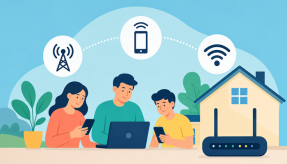
Which Internet Providers Offer a Cheap Mobile Plan?
Discover which internet providers offer a cheap mobile plan when you bundle services. Compare savings, features, and the best options for your budget.
 Broadband Deals
Technology
Broadband Deals
Technology
What Is 5G and Why It Matters for Businesses and Everyday Life
Learn what 5G is, how it works, and why it matters for businesses and consumers. Discover its impact on speed, IoT, automation, and future connectivity.
 Technology
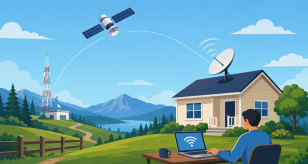
How to Choose High-Speed Satellite Internet for Your Home
Compare the best high-speed satellite internet providers, their features, coverage, speeds, pricing, and tips to choose the right internet service.