How to Secure Video Calls and Prevent Hacks
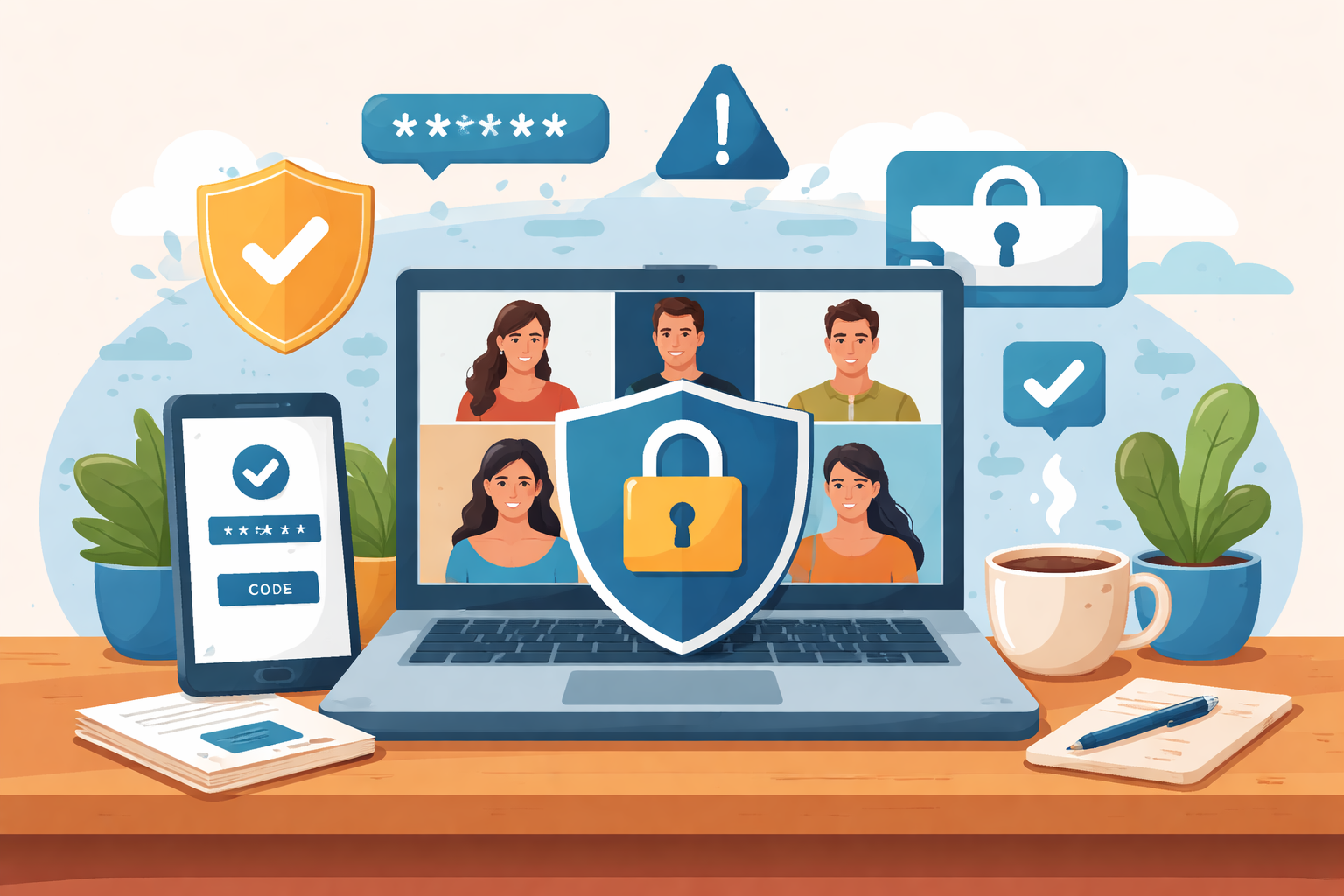
Video calls are now a core part of daily communication. Whether you’re running remote meetings, attending virtual classes, or connecting with clients, secure video conferencing is no longer optional—it’s essential.
As platforms like Zoom, Google Meet, and Microsoft Teams continue to dominate remote communication, cybercriminals are actively looking for vulnerabilities to exploit. From unauthorized meeting access to phishing links and account takeovers, the risks are real.
The good news? Protecting your video calls doesn’t require advanced technical skills. With the right security habits and configuration settings, you can significantly reduce your exposure to threats.
This guide covers practical, step-by-step strategies to secure video calls, protect your accounts, and prevent unauthorized meeting access.
Understanding Video Conferencing Security Risks
Video conferencing allows real-time audio and video communication across devices. Most platforms also support screen sharing, chat, file transfers, recordings, and collaborative tools.
While these features boost productivity, they also increase potential attack surfaces.
Common Video Call Security Threats
Before improving security, it’s important to understand the risks:
Unauthorized Meeting Access (“Meeting Bombing”)
When meeting links are shared publicly or passwords are weak, attackers can enter sessions uninvited, disrupt meetings, or record sensitive discussions.
Account Takeovers
Weak passwords or reused credentials can allow attackers to hijack accounts, schedule fraudulent meetings, or access recordings.
Phishing Links in Chat
Cybercriminals may drop malicious links into meeting chats. Clicking these can install malware or redirect users to fake login pages.
Data Exposure Through Screen Sharing
Accidental screen sharing of confidential files, emails, or dashboards can expose sensitive company or personal information.
Understanding these risks helps you proactively secure your video conferencing setup.
Secure Video Conferencing Starts at Installation
Your security strategy begins before your first meeting.
Download Only from Official Sources
Always download apps directly from the platform’s official website or verified app stores. Avoid third-party download sites, pop-up ads, or links sent through email.
Installing unofficial versions can expose your device to malware or spyware disguised as conferencing tools.
Verify Application Permissions
After installation:
Review camera and microphone permissions
Disable unnecessary background data access
Turn off auto-join features
Controlling permissions limits how much access the app has to your device.
Strengthen Account Security Settings
Account security is one of the most critical layers of protection.
Use Strong, Unique Passwords
Create passwords that are:
At least 12–16 characters long
A mix of uppercase, lowercase, numbers, and symbols
Unique to each platform
Avoid reusing passwords across services.
Enable Multi-Factor Authentication (MFA)
Multi-factor authentication adds a second verification step—usually a code sent to your phone or generated by an authenticator app.
Even if someone steals your password, they cannot access your account without the second factor.
Most major platforms, including Zoom and Google Meet, offer this feature within account settings.
Review Privacy Controls
Check and adjust:
Who can start meetings
Who can record sessions
Who can share screens
Who can invite participants
Limiting permissions reduces internal and external risks.
Best Practices When Hosting Secure Video Meetings
Hosting comes with responsibility. As the organizer, you control the security posture of the session.
Require Password-Protected Meetings
Never host open-access meetings without passwords. Share credentials privately—never post them publicly or on social media.
Enable Waiting Rooms or Lobbies
Waiting rooms allow you to screen participants before granting entry. This feature is essential for:
Public webinars
Client meetings
Large group sessions
It prevents unknown users from automatically joining.
Lock the Meeting After All Participants Join
Once everyone is present, lock the meeting. This blocks late unauthorized access attempts.
Manage In-Meeting Security Controls
Security doesn’t stop once the meeting begins.
Limit Screen Sharing
Restrict screen sharing to hosts or designated participants. This prevents accidental or malicious content display.
If participant sharing is required, enable it temporarily and disable it afterward.
Control Recording Permissions
Decide:
Who can record
Where recordings are stored
How long recordings are retained
Cloud recordings should be protected with restricted access and strong passwords.
Monitor Participant Activity
Keep an eye on attendee lists. Remove unknown or suspicious participants immediately.
Most platforms allow hosts to:
Mute disruptive users
Disable participant chat
Remove individuals instantly
Being proactive minimizes disruptions.
Keep Software and Devices Updated
Outdated software is one of the biggest security weaknesses.
Why Updates Matter
Software updates often include:
Security patches
Bug fixes
Encryption improvements
Performance enhancements
Ignoring updates leaves your system vulnerable to known exploits.
Enable automatic updates whenever possible—for both the conferencing app and your operating system.
Secure Your Internet Connection
Your network security directly impacts video call safety.
Avoid Public Wi-Fi
Public networks in cafes, airports, or hotels are common targets for attackers.
If you must use public Wi-Fi:
Use a reputable VPN
Avoid sharing sensitive information
Do not access confidential company systems
Secure Your Home Network
For home setups:
Change your router’s default password
Enable WPA3 or WPA2 encryption
Keep router firmware updated
A secure network prevents unauthorized interception of video traffic.
Protect Sensitive Information During Calls
Even secure platforms can’t prevent human error.
Be Mindful of What’s Visible
Before screen sharing:
Close unrelated tabs
Hide desktop notifications
Remove confidential documents
Use “share window” instead of “share entire screen” whenever possible.
Avoid Sharing Meeting Links Publicly
Posting meeting links on social media or public forums invites unwanted participants.
Instead:
Send links via private email
Use calendar invites
Set expiration times for recurring links
Prevent Phishing and Social Engineering Attacks
Attackers frequently impersonate meeting invitations.
How to Identify Suspicious Invitations
Be cautious if:
The sender email looks unusual
The meeting link doesn’t match the official domain
The invitation urges immediate login
Always verify meeting URLs before entering credentials.
Video Conferencing Security for Businesses
If you’re managing team-wide video calls, additional policies should be implemented.
Establish Internal Security Policies
Organizations should:
Mandate MFA for all employees
Restrict recording permissions
Define acceptable screen-sharing protocols
Conduct periodic security audits
Train Employees on Cybersecurity Awareness
Even strong technical safeguards fail without user awareness.
Provide training on:
Recognizing phishing attempts
Secure password management
Safe meeting link distribution
Handling confidential discussions
Employee education reduces human-related vulnerabilities.
Advanced Video Call Security Measures
For higher-risk industries such as finance, healthcare, or legal services, consider enhanced safeguards.
End-to-End Encryption
Ensure meetings are protected by end-to-end encryption (E2EE). This prevents intermediaries from accessing content.
Disable File Transfers If Unnecessary
File sharing can introduce malware. If not required, disable it completely.
Use Enterprise-Level Plans
Enterprise tiers often provide:
Advanced administrative controls
Audit logs
Data retention policies
Stronger encryption options
These features add layers of oversight and compliance.
Why Securing Video Calls Is Critical
Video conferencing handles sensitive data daily:
Business strategies
Financial details
Personal conversations
Client communications
A single compromised session can result in:
Data leaks
Reputation damage
Financial loss
Legal exposure
Security isn’t just about preventing disruptions—it protects trust.
Final Thoughts: Make Security a Habit
Video conferencing is here to stay. Convenience and accessibility make it indispensable, but they also make it a target.
By following secure installation practices, strengthening account settings, managing in-meeting controls, updating software, and securing your network, you create a robust defense against common threats.
Small actions—like enabling multi-factor authentication, using waiting rooms, and locking meetings—deliver significant protection.
The goal isn’t paranoia. It’s preparedness.
With the right security measures in place, you can focus on collaboration, productivity, and communication—without worrying about who might be watching.
Related Posts
 cheap internet plans
Subscription
cheap internet plans
Subscription
Frontier TV and Internet Packages Worth Considering Today
Explore Frontier TV and internet packages, compare speeds, features, bundle benefits, pricing options, and find the right plan for your home.
 cheap internet offers
How to Find Cheap Internet That Doesn't Feel Cheap
Learn how to get affordable internet without sacrificing speed. Compare providers, optimize your network, and save on your monthly bill with smart strategies.
 cheap internet deals
Wifi
cheap internet deals
Wifi
The Hidden Internet Wi-Fi Fees That Inflate Your Monthly Bill
Learn about hidden internet Wi-Fi fees that quietly increase your monthly bill and discover practical ways to lower your long-term internet costs.
 Technology
Top Tech Trends Changing Everyday Life in 2026
Explore the biggest tech trends shaping 2026, including AI, 5G, smart homes, cybersecurity, blockchain, and the future of remote work.
 Technology
Best AI Tools for Automating Daily Work Faster
Discover the best AI tools to automate repetitive work, improve productivity, streamline workflows, and help businesses save valuable time daily.