Why Choosing a Local Internet Provider Just Makes Sense
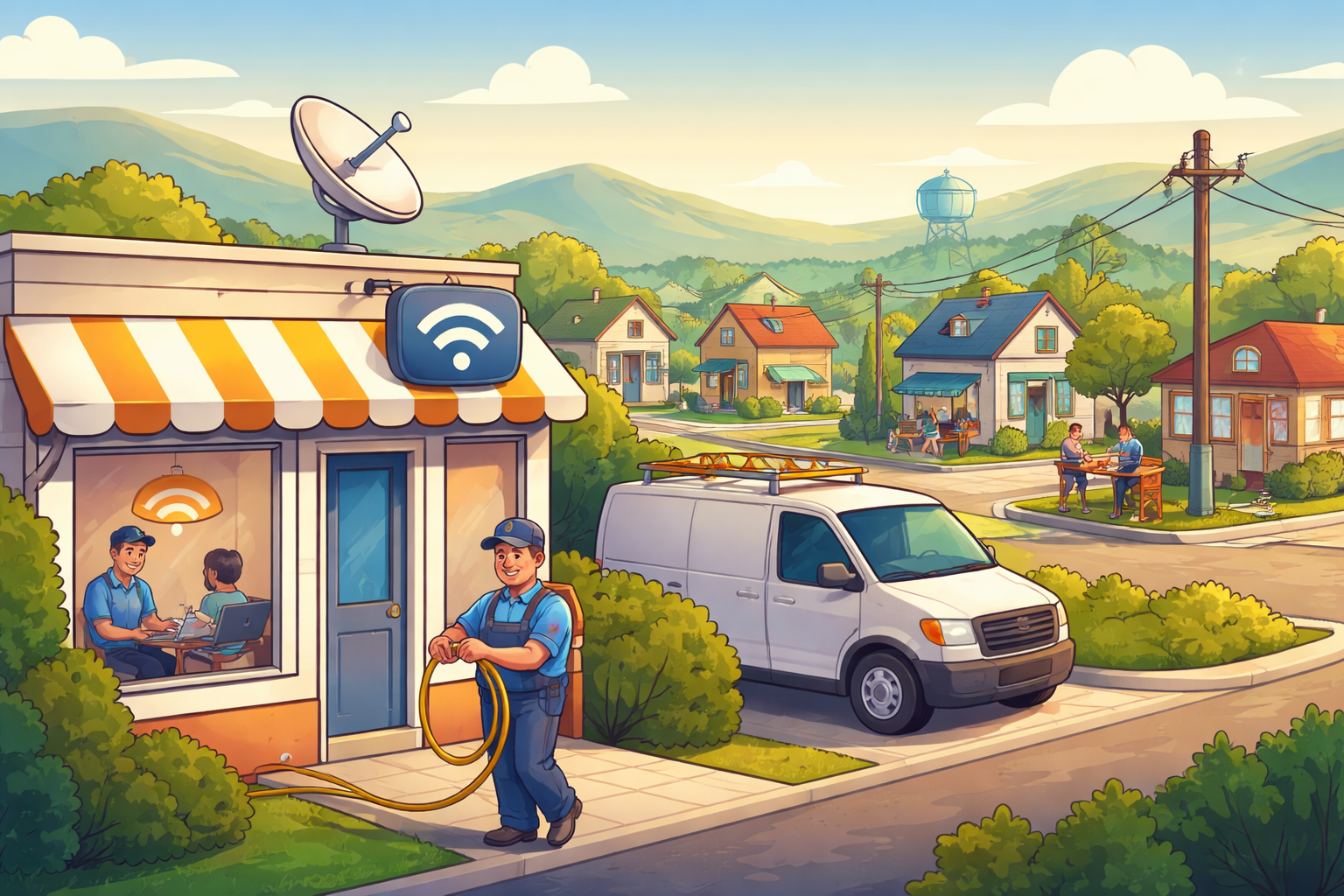
The US is dominated by massive internet companies, it’s easy to assume that the biggest provider automatically gives the best service. But the truth is, local internet providers often deliver a smoother, more reliable, and more personal experience.
A hometown ISP might not have flashy nationwide ads, but what it does have is local accountability, clear pricing, and real people who understand your area. For many households, switching to a local provider isn’t just a service change—it’s a better internet experience.
What a Hometown ISP Really Is
A hometown ISP is a local or regional internet provider that serves a specific city, county, or rural area. Unlike national corporations, which operate in hundreds of markets, these providers focus on the communities they know best.
Because they’re rooted locally, they understand the unique challenges of your region—whether it’s infrastructure limitations, neighborhood usage patterns, or seasonal demand spikes. That local knowledge often translates into stronger reliability and faster support.
Why More People Are Moving Away From Big-Name ISPs
National ISPs still dominate the headlines, but customer frustration continues to grow. Long hold times, confusing bills, unexpected fees, and rigid contracts are pushing households to look for alternatives.
Knowing what to look for when choosing an internet provider can make the difference. Local options often shine in areas where national providers fall short. Many people are discovering that control over pricing, service quality, and support speed is easier to achieve with hometown providers.
For a closer look at what matters when comparing ISPs, this article on 5 Things to Look For When Choosing an Internet Service Provider can help you understand the key red flags and green lights.
Hidden Advantages of Choosing a Local Internet Provider
Personalized Customer Support That Actually Works
One of the biggest differences with a hometown ISP is support. Instead of navigating endless phone menus, you often speak directly with someone who lives in the same area.
This local touch means faster troubleshooting, fewer transfers, and service calls that actually get resolved quickly. When technicians are nearby, same-day visits are often possible during outages—something big corporations struggle to offer.
Clear, Honest Pricing Without Surprises
Transparent pricing is another major benefit. Local ISPs rely heavily on reputation and word-of-mouth referrals, which encourages straightforward, flat-rate plans without hidden fees or confusing promotional offers.
Knowing exactly what you pay for every month brings peace of mind and removes the frustration of unexpected charges.
Fast Issue Resolution When Problems Arise
Internet problems are inevitable. What matters most is how quickly they’re fixed. Local providers often have shorter chains of command, meaning issues don’t get bounced around. This leads to faster repairs, less downtime, and fewer headaches overall.
Better Service in Rural and Underserved Areas
In many rural or underserved locations, hometown ISPs outperform national providers. While larger companies focus on high-density urban markets, local ISPs invest directly in communities that are often overlooked, providing faster speeds and more reliable connections.
To see how local providers stack up, check out Top-Rated Internet Service Providers for Speed, Value & Reliability.
Real Investment in the Community
Local ISPs are part of the communities they serve. They sponsor local events, fund school programs, and actively work to build a strong local reputation. By choosing a hometown provider, you’re not just getting better service—you’re supporting the local economy as well.
Flexible Plans That Fit Your Needs
Everyone uses the internet differently. Remote work, streaming, gaming, and online learning all demand different speeds and bandwidth. Local ISPs are often more willing to tailor plans to your actual needs, making sure you aren’t paying for services you don’t use.
Learn more about how ISPs are evolving to meet rising data demands and why flexibility matters.
Reliability Is No Longer a Question
Local no longer means slower or outdated. Many hometown ISPs now offer fiber-optic connections, modern Wi-Fi technology, and competitive upload speeds, all while keeping customer service personal and responsive.
To check which local providers serve your area, the ISP search tool is a simple way to find real options, compare packages, and read reviews.
Questions to Ask Before Switching
Before choosing a local provider, consider asking:
- What speeds do you offer and are they guaranteed?
- Do you throttle speeds during peak hours?
- Are there installation or equipment fees?
- What’s your average response time for service calls?
These questions reveal how well the provider operates day-to-day, beyond marketing promises.
When a National Provider Might Still Be Right
National ISPs have advantages, too. Bundled packages with TV or mobile services, nationwide hotspots, and larger infrastructure in urban areas can be appealing.
However, if you don’t need those extras, a local provider often delivers better long-term value, faster support, and more transparent pricing.
Who Benefits Most From a Hometown ISP
Certain groups see the biggest difference after switching:
- Remote workers who need stable, high-speed internet
- Families in rural areas looking for reliable service and better pricing
- Gamers and streamers who require low latency and fast uploads
- Small businesses seeking a trusted, local technology partner
In every case, the benefit comes from personalized service and accountability, not corporate scale.
Finding the Best Local Provider Near You
Finding available hometown ISPs is simple. Enter your zip code in the ISP search page to see local providers, speed options, and real customer reviews.
From there, you can compare packages, check availability, and make a confident choice without stress or guesswork.
Final Thoughts
Choosing a hometown ISP isn’t just about supporting local business—it’s about making a smarter choice for your internet.
With faster support, honest pricing, tailored plans, and strong community ties, local providers often deliver a better, more reliable online experience.
If you’re tired of feeling like just another account number, exploring local options could be your secret to fast, affordable, and dependable internet service.
Related Posts
 Technology
Wifi
Technology
Wifi
How To Test Your Internet Speed?
Slow internet connection? Test your internet speed if you ever thought your internet is slower than normal or it's not as fast as you are paying for. In order to determine if your internet speed slower than your plan, running speed tests is the answer. But how do speed test works? The speed test is performed by measuring the time it takes to respond from a user client's request. Upon receiving data to the server from the client request, the server will send back a reply and the time is measured...
 cheap internet deals
Best Free & Legal Movie Streaming Sites in 2026
Discover the best free and legal movie streaming sites in 2026, including Tubi, Pluto TV, Plex, Hoopla, Kanopy, and more to watch movies online for free.
 Technology
YouTube Key Commands That Make Watching Videos Faster
Learn the best YouTube key commands to navigate videos faster, improve productivity, control playback easily, and enjoy a smoother streaming experience.
 Regulations
Technology
Regulations
Technology
What is An Internet Cookie?
Learn what internet cookies are, how cookies work, the different types of cookies, their benefits, privacy concerns, and how to manage them safely online.
 cheap internet plans
mobile phone plans
Broadband Deals
cheap internet plans
mobile phone plans
Broadband Deals
Which Internet Providers Offer a Cheap Mobile Plan?
Discover which internet providers offer a cheap mobile plan when you bundle services. Compare savings, features, and the best options for your budget.