Best Rural Internet Providers in the US: What to Know Before You Choose
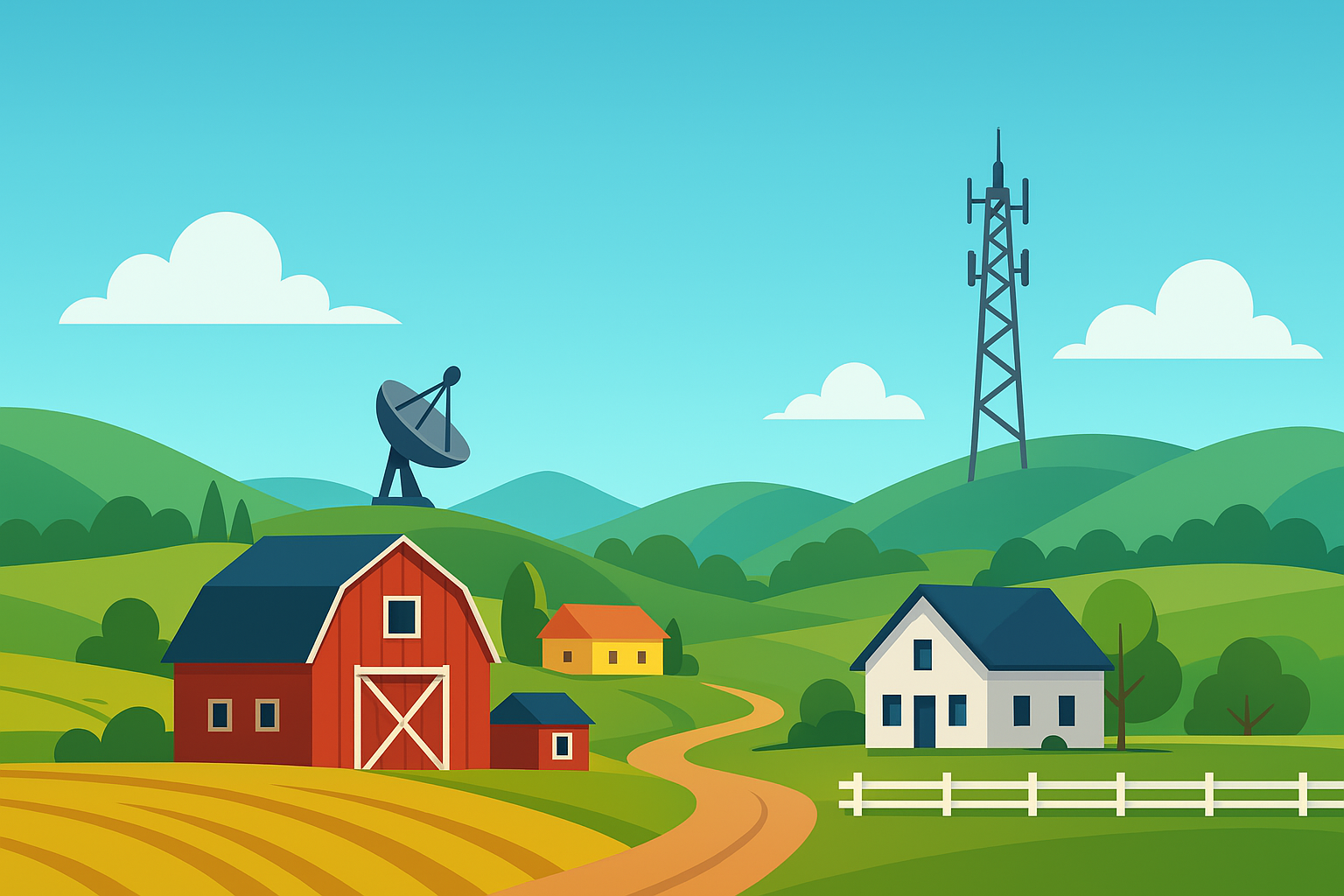
Finding reliable rural internet in the US can feel overwhelming. Despite advancements in broadband technology, many rural households still struggle with slow speeds, limited availability, and inconsistent service. Fortunately, more internet providers are expanding coverage into rural regions, offering fast, stable, and affordable service.
Whether you rely on the internet for work, school, farming, or daily use, choosing the best provider is essential. This guide breaks down top rural internet options, compares technologies, and helps you match your needs with the right provider.
Why Rural Internet Still Matters More Than Ever
Reliable internet powers almost every aspect of daily life—from virtual jobs and online learning to smart agriculture and telehealth. The digital divide between urban and rural communities is shrinking, but challenges remain:
- Limited wired infrastructure
- Lower population density
- Fewer provider investments
- Geographic barriers like mountains or valleys
Understanding these challenges is key when evaluating your options.
What Counts as Good Internet in Rural Areas?
Before choosing a provider, it helps to understand what counts as good rural internet. For occasional browsing or light streaming, a basic plan may suffice. For households with multiple devices, remote work, or online learning, higher speeds are necessary.
For example, knowing the right internet speed helps determine whether your rural household can handle streaming, video calls, or multiple devices.
The Most Popular Rural Internet Technologies
Different technologies work better in different rural areas. Here’s an overview:
1. Satellite Internet
Satellite internet provides coverage in virtually all locations and has improved in speed and reliability over the years. Many rural residents rely on affordable internet that includes satellite, fixed wireless, and government subsidies to get better connectivity
Pros:
- Available almost everywhere
- Easy installation
- Works where wired service is unavailable
Cons:
- Higher latency
- Possible data caps
- Performance affected by weather
2. Fixed Wireless Internet
Fixed wireless delivers broadband through line-of-sight towers, offering faster speeds than satellite. Many rural households see improved connectivity when fixed wireless is available near their property.
Pros:
- Faster than satellite
- Stable connection
- Lower latency
Cons:
- Requires line of sight
- Performance depends on distance
3. DSL Internet
DSL uses phone lines to deliver broadband. While widely available, it often has slower speeds compared to newer technologies.
4. Fiber Internet
Fiber is the fastest option, but it remains limited in rural regions due to high installation costs.
5. 5G Home Internet
5G home internet is emerging as a solid option for rural households near cellular towers. It offers fast speeds and easy installation but depends on coverage.
Top Rural Internet Providers in the US
Here are some leading providers based on technology, coverage, and reliability:
Starlink
Starlink uses low-orbit satellites to deliver fast and reliable internet even in remote locations.
Hughesnet
Hughesnet offers dependable satellite service for households with basic online needs.
Viasat
Viasat provides larger data allowances than many satellite options and competitive speeds.
Rise Broadband
Rise Broadband is a major fixed wireless provider delivering strong coverage in rural regions.
T-Mobile 5G Home Internet
T-Mobile’s 5G home internet is a fast-growing option with affordable pricing for multi-device households.
Verizon 5G Home Internet
Verizon offers fast speeds with low latency for remote work and entertainment.
How to Choose the Best Rural Internet Provider
Consider the following factors when selecting a provider:
1. Availability
Rural coverage can vary greatly even within the same ZIP code. Always check what service is available at your exact address.
2. Speed Requirements
Remote workers, gamers, and multi-device households need higher speeds. Refer to the earlier internet speed resource to determine what download and upload speeds you need.
3. Latency and Reliability
Low latency is crucial for video calls and online gaming. Fixed wireless and 5G usually offer better performance than satellite.
4. Data Limits
Many rural plans, especially satellite, include data caps. Consider a plan with sufficient data or unlimited usage if needed.
5. Pricing and Contracts
Compare installation fees, equipment costs, monthly rates, and contract requirements.
6. Reputation and Support
Local providers often offer better customer service than national brands. Reviews and neighbor recommendations are invaluable.
Tips for Optimizing Rural Internet
Even with the right provider, you can improve performance with these tips:
- Router placement: Central and elevated positions improve signal coverage.
- Reduce network congestion: Disconnect unused devices during high-demand periods.
- Wired connections: Use Ethernet for more stable speeds.
- Upgrade equipment: Modern routers or mesh systems boost performance.
- Signal boosters: Fixed wireless and 5G users may benefit from external antennas.
The Future of Rural Internet
Federal funding, new towers, fiber expansion, and upgraded satellite systems are closing the rural connectivity gap. In the next few years, rural households can expect:
- Faster speeds
- More providers
- Improved reliability
- Better pricing
Rural internet is finally becoming a viable option for work, education, and entertainment.
Final Thoughts
Choosing the best rural internet provider requires understanding your options and matching them to your specific needs. Satellite, fixed wireless, 5G, DSL, and regional providers all offer unique benefits.
Related Posts
 Safety
What Not to Do And Internet Safety Tips To Protect You Online
Learn what not to do online and discover practical internet safety tips to protect your personal data, devices, and accounts from cyber threats.
 cheap internet deals
Cheap Internet Plans in Florida: Find the Right Fit Fast
Discover how to find cheap internet plans in Florida based on your lifestyle, location, and speed needs. Compare providers and choose the best plan today.
 cheap internet deals
Cheap Internet Plans vs Premium Plans
Cheap vs premium internet plans explained. Learn the key differences in speed, data limits, reliability, and pricing to choose the best plan for your home.
 Subscription
cheap internet offers
Subscription
cheap internet offers
Spectrum vs Verizon 5G Home Internet: Which Is Better?
Spectrum vs Verizon 5G Home Internet: compare speed, pricing, reliability, and availability to choose the best home internet provider for your household.
 Internet Bundles
How to Get Free or Cheap Internet in the U.S.
Learn how to get free or discounted internet in the U.S. Discover government programs, provider discounts, and practical ways to lower your monthly bill.