Why Keeping Cable TV Still Makes Sense Today
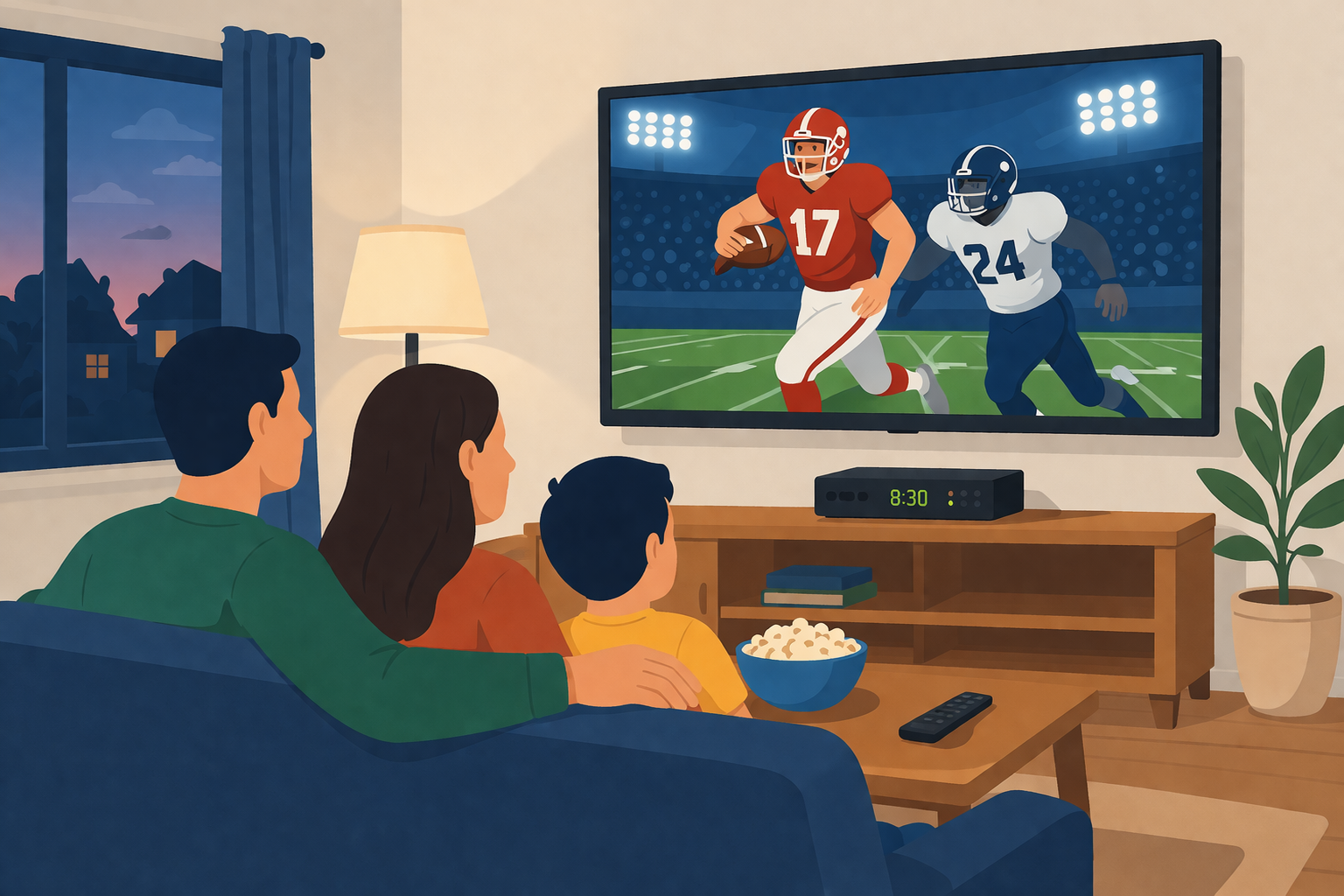
Cutting the cord has become popular, but cable TV continues to hold its ground for good reason. While streaming platforms offer flexibility, they don’t always replace the reliability, immediacy, and variety that cable delivers. If you’re wondering whether to cancel your cable subscription, it’s worth taking a closer look at what you might lose.
In this guide, we’ll break down the real advantages of cable TV and why, for many households, it still plays an important role in everyday entertainment.
What Makes Cable TV Worth Keeping?
Cable TV isn’t just about flipping through channels anymore. Modern cable services have evolved to include on-demand content, high-definition viewing, and bundled features that compete directly with streaming platforms.
Let’s explore the key reasons why keeping your cable connection can still be a smart choice.
Live Sports and Real-Time Entertainment
The unmatched experience of watching live
One of the biggest advantages of cable TV is access to live sports and real-time broadcasts. Whether it’s the Super Bowl, NBA Finals, or international events like the Olympics, cable ensures you can watch everything as it happens—without delays or interruptions.
Streaming platforms may offer sports content, but they often come with limitations such as regional restrictions, lag, or additional subscription fees. Cable, on the other hand, delivers consistent access to major networks that broadcast live games and events.
Why timing matters for sports fans
Watching highlights after the game is never the same as experiencing it live. The excitement, unpredictability, and shared moments with other viewers are what make sports truly engaging.
Cable TV eliminates buffering issues and streaming delays, giving you a seamless viewing experience when it matters most.
Extensive On-Demand Content and Pay-Per-View Access
More control over what you watch
Cable providers now offer robust on-demand libraries, allowing you to watch movies, shows, and special content whenever you want. This brings cable closer to the convenience of streaming while maintaining its broader content access.
You’ll often find newly released films, exclusive content, and full TV series available through your provider—sometimes earlier than on streaming platforms.
Access to exclusive events
Pay-per-view remains a major advantage of cable TV. Events like boxing matches, MMA fights, and special premieres are often available exclusively through cable providers.
This means you won’t have to rely on third-party apps or risk poor-quality streams just to catch major events.
Reliable Viewing Without Internet Dependency
No buffering, no interruptions
Streaming services depend heavily on your internet connection. If your connection slows down or drops, your viewing experience suffers. Buffering, reduced video quality, and interruptions can quickly become frustrating.
Cable TV operates independently of your internet, ensuring a stable and uninterrupted experience regardless of network conditions.
Ideal for areas with slower internet speeds
In many regions, especially rural or less-developed areas, high-speed internet isn’t always reliable. Cable TV provides a dependable alternative, allowing users to enjoy high-quality entertainment without worrying about bandwidth limitations.
If you’ve ever experienced lag during peak hours, you already know how valuable a consistent connection can be.
Simplified Entertainment with Bundled Services
One provider, multiple services
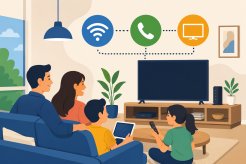
Many cable companies offer bundled packages that include TV, internet, and phone services. These bundles can simplify billing and often come at a discounted rate compared to paying for each service separately.
If you’re already exploring cable TV provider options, you’ll notice that bundled plans can provide both convenience and cost savings.
Better value for households
For families or shared households, cable TV offers a wide variety of channels that cater to different interests—news, sports, movies, kids’ programming, and more. This makes it a practical solution for homes with diverse viewing preferences.
Instead of juggling multiple streaming subscriptions, cable provides everything in one place.
Consistent Channel Surfing and Discovery
Discover content effortlessly
One overlooked advantage of cable TV is the ability to channel surf. Unlike streaming platforms where you need to search for content, cable allows you to discover shows organically.
This can lead to finding new programs, movies, or live events you might not have searched for otherwise.
A more traditional viewing experience
For many viewers, cable TV offers a familiar and straightforward experience. There’s no need to manage multiple apps, remember passwords, or switch between platforms.
Sometimes, simplicity is exactly what makes cable appealing.
Better Access to Local Channels and News
Stay connected to your community
Cable TV provides reliable access to local news, weather updates, and regional programming. This is especially important during emergencies or major local events.
Streaming services may offer limited access to local channels, but cable ensures you stay informed without additional setup or subscriptions.
Real-time updates when they matter
When it comes to breaking news or severe weather alerts, timing is critical. Cable TV delivers immediate updates without delays, helping you stay prepared and informed.
Is Cable TV Still Worth It?
The decision to keep or cancel cable ultimately depends on your viewing habits. If you prioritize live sports, real-time broadcasts, reliable access, and a wide range of content, cable TV continues to offer strong value.
Streaming services are a great addition, but they don’t fully replace everything cable provides. In many cases, the best setup is a combination of both—using cable for live and essential viewing, and streaming for on-demand flexibility.
Before making a decision, consider what matters most to you: convenience, reliability, or variety. You may find that keeping your cable connection is still the smarter move.
Related Posts
 Technology
Wifi
mobile phone plans
Technology
Wifi
mobile phone plans
What Is a Mobile Hotspot and How Does It Work?
A mobile hotspot is a portable feature or device that converts a cellular data connection (like 4G LTE or 5G) into a private Wi-Fi network
 Broadband Deals
cable deal
Broadband Deals
cable deal
Xfinity Cable Package Deals That Actually Deliver Value
Discover the best Xfinity cable package deals, compare internet and TV bundles, understand pricing, and choose the right plan for your home and budget.
 Broadband Deals
What Is TDS Internet and Is It Right for Your Home?
Learn what TDS Internet is, how it works, available plans, pricing, speeds, benefits, and how it compares with other internet providers.
 Internet Bundles
Bundle Internet, TV, and Phone Without Overpaying
Learn how to bundle internet, TV, and phone services for the best value. Compare plans, avoid hidden fees, and choose the right package for your home.
 Broadband Deals
cable deal
cheap internet deals
Broadband Deals
cable deal
cheap internet deals
Chicago Neighborhood Internet Guide for Better Connectivity
Explore internet options across Chicago neighborhoods, compare providers, understand speeds, costs, and find the best broadband solution.