Signs Your Business Needs a Better Internet Plan

Let’s be honest—most businesses don’t think about their internet plan until something starts going wrong.
Maybe your team keeps complaining about slow speeds. Maybe Zoom calls are freezing at the worst possible moments. Or maybe everything just feels… laggy.
The truth is, your internet connection quietly affects almost everything you do. When it’s working well, you barely notice it. But when it’s not, it can slow your team down, frustrate customers, and cost you real money.
If you’re not sure whether it’s time to upgrade, here are the clear signs your business needs a better internet plan—and what to do about it.
Why Your Internet Plan Matters More Than You Think
Your internet isn’t just for browsing anymore. It powers your tools, your communication, your transactions—basically your entire workflow.
So when your connection struggles, everything else does too.
It shows up as:
Slower work output
More errors and interruptions
Poor customer experience
Unnecessary stress for your team
And the worst part? A lot of businesses get used to it without realizing there’s a better option.
1. Everything Feels Slower Than It Should
The “It’s Just a Bit Slow” Trap
If opening files, loading websites, or sending emails takes longer than it should, that’s not normal—it’s a sign your internet isn’t keeping up.
Small delays might not seem like a big deal, but they stack up fast over the course of a workday.
What to Watch For
Files taking forever to upload
Cloud tools lagging or freezing
Pages loading slower than usual
Video calls buffering
If you’re unsure, run a quick speed test and compare your actual speed to what you’re paying for.
2. Your Internet Keeps Dropping
Unstable Connection = Constant Disruption
Speed is important, but reliability is everything.
If your internet keeps disconnecting—even for a few seconds—it can interrupt calls, cancel uploads, and disrupt your entire workflow.
Signs You’re Dealing with Unreliable Service
Random disconnections during the day
Internet dropping during meetings
Needing to restart your router often
Speeds changing throughout the day
If that’s happening regularly, it’s worth checking better internet options to find a more stable connection.
3. Your Team Has Grown (But Your Plan Hasn’t)
More People, Same Bandwidth
As your business grows, your internet needs grow with it.
More employees means more devices. More devices mean more bandwidth. If your plan hasn’t changed, it’s probably being stretched too thin.
Common Signs
Slower speeds during peak hours
Everything lagging when everyone’s online
Complaints increase as your team grows
At some point, your internet just can’t keep up—and upgrading becomes the only real solution.
4. You’re Using More Online Tools Than Before
Cloud Tools Need Strong Internet
Most businesses today rely on cloud-based tools—Google Workspace, CRMs, file sharing, project management apps.
These tools are great, but they depend heavily on your internet speed and stability.
Watch for These Issues
Files not syncing properly
Delays when accessing shared documents
Apps freezing or timing out
Slow collaboration between team members
If your tools feel sluggish, your internet is probably the reason.
5. Video Calls Are a Struggle
Bad Calls Leave a Bad Impression
Whether it’s Zoom, Google Meet, or VoIP calls, your internet quality shows during conversations.
And let’s be real—nothing kills a meeting faster than “Can you hear me?” every two minutes.
Signs Your Internet Can’t Handle It
Frozen video or robotic audio
Calls dropping unexpectedly
Delayed responses during conversations
Poor screen-sharing quality
If communication is a big part of your business, your internet needs to support it properly.
6. Customers Are Feeling the Lag
It’s Not Just Internal—Customers Notice Too
If your business relies on online systems—payments, bookings, chats—slow internet affects your customers directly.
And customers don’t wait around.
Red Flags
Slow checkout or booking processes
Delayed responses to inquiries
Website or system lag
Payment processing issues
A better internet plan helps you deliver a smoother, faster experience that keeps customers happy.
7. You Might Be Overpaying
Old Plans Don’t Always Mean Better Value
A lot of businesses stick with the same plan for years without checking if it’s still competitive.
Meanwhile, newer plans might offer faster speeds at a lower cost.
You can quickly compare what’s available to see if you’re getting the best deal.
8. Security Isn’t Cutting It Anymore
Basic Plans Aren’t Built for Business
If you’re handling customer data, payments, or sensitive information, your internet plan needs to support that level of responsibility.
Many basic plans don’t offer the security or reliability businesses need.
Signs You Need an Upgrade
Limited control over your network
No advanced security features
No guaranteed uptime
Lack of dedicated support
A business-grade plan gives you more protection and peace of mind.
9. You’re Planning to Scale
Growth Needs Strong Foundations
Expanding your business? Adding more staff? Launching new services?
Your internet needs to be ready for that.
If it’s already struggling now, it won’t handle growth well.
When to Upgrade
Hiring more employees
Increasing online operations
Expanding to new locations
Supporting remote teams
Think of your internet as infrastructure—it needs to grow with you.
10. Better Options Might Already Be Available
Internet Services Improve Over Time
New providers and faster technologies are constantly being rolled out.
What wasn’t available before might now be accessible in your area.
For example, checking Florida broadband availability can reveal faster or more affordable options than older plans.
It’s always worth taking a fresh look.
How to Choose a Better Internet Plan
Upgrading doesn’t have to be complicated. You just need to focus on what actually matters.
Keep It Simple
Speed
Make sure it matches how many people and tools you’re using daily.
Reliability
Look for consistent performance, not just high speeds on paper.
Scalability
Choose something that can grow with your business.
Support
When something goes wrong, you want fast, reliable help.
Security
Especially important if you’re handling sensitive data.
Final Thoughts
If your internet has been slow, unreliable, or just not keeping up, it’s probably time for a change.
A better internet plan doesn’t just make things faster—it makes your entire business run smoother.
Less frustration. Better productivity. Happier customers.
And once you upgrade, you’ll probably wonder why you didn’t do it sooner.
Related Posts
 Technology
Wifi
mobile phone plans
Technology
Wifi
mobile phone plans
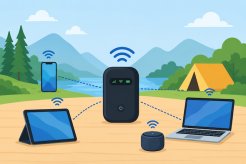
What Is a Mobile Hotspot and How Does It Work?
A mobile hotspot is a portable feature or device that converts a cellular data connection (like 4G LTE or 5G) into a private Wi-Fi network
 Broadband Deals
cable deal
Broadband Deals
cable deal
Xfinity Cable Package Deals That Actually Deliver Value
Discover the best Xfinity cable package deals, compare internet and TV bundles, understand pricing, and choose the right plan for your home and budget.
 Broadband Deals
What Is TDS Internet and Is It Right for Your Home?
Learn what TDS Internet is, how it works, available plans, pricing, speeds, benefits, and how it compares with other internet providers.
 Internet Bundles
Bundle Internet, TV, and Phone Without Overpaying
Learn how to bundle internet, TV, and phone services for the best value. Compare plans, avoid hidden fees, and choose the right package for your home.
 Broadband Deals
cable deal
cheap internet deals
Broadband Deals
cable deal
cheap internet deals
Chicago Neighborhood Internet Guide for Better Connectivity
Explore internet options across Chicago neighborhoods, compare providers, understand speeds, costs, and find the best broadband solution.