Fastest Internet Options in Dallas: What to Know First
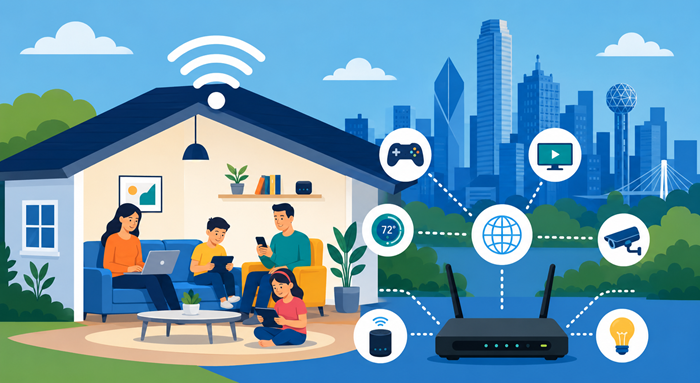
Dallas has become one of the most connected metro areas in Texas, with fiber expansion, cable upgrades, and competitive broadband packages available across the DFW region. But when you start comparing plans, speeds, and pricing, things can quickly get confusing.
Some neighborhoods have access to multi-gig fiber while others still rely on older cable infrastructure. On top of that, upload speeds, reliability, and hidden fees can vary dramatically between providers. That’s why choosing the right internet connection isn’t only about the advertised download speed anymore.
If you’re comparing plans from different dallas broadband providers, this guide breaks down who offers the fastest internet in DFW, what technology matters most, and how to find the right fit for your household.
Why Internet Speed Matters More Than Ever in Dallas
Remote work, streaming, gaming, smart home devices, and online learning all compete for bandwidth inside modern households. A connection that felt fast a few years ago may now struggle during peak usage hours.
Dallas residents also tend to have larger households and multiple connected devices running at once. That makes consistency just as important as raw speed.
Fiber networks have improved internet performance across many parts of DFW, but availability still depends heavily on ZIP code and neighborhood infrastructure. In fact, many consumers discover that internet prices change by zip code because providers build networks differently in each area.
Understanding the Main Internet Types in DFW
Before comparing providers, it helps to understand the technologies behind the service.
Fiber Internet
Fiber is widely considered the fastest and most reliable option available today. It delivers extremely fast download and upload speeds using fiber-optic cables.
Benefits include:
Symmetrical upload and download speeds
Lower latency for gaming and video calls
Better reliability during peak usage
Faster support for multiple devices
Fiber is ideal for heavy internet users, remote workers, creators, and large families.
Cable Internet
Cable internet remains common throughout Dallas and surrounding suburbs. It typically offers strong download speeds but slower uploads compared to fiber.
Cable works well for:
Streaming households
Moderate gaming
General work-from-home usage
Budget-conscious users
However, speeds can slow during busy evening hours in densely populated areas.
Fixed Wireless and 5G Home Internet
Wireless internet options have improved significantly in recent years. While they may not always match fiber performance, they can be useful in neighborhoods with limited wired infrastructure.
These plans are often easier to set up and may appeal to renters or short-term residents.
Which Providers Offer the Fastest Speeds in Dallas?
Internet availability varies widely across the metro area, but several companies consistently rank among the top choices for speed and performance.
AT&T Fiber
AT&T Fiber continues expanding throughout DFW and remains one of the strongest options for high-speed connectivity.
Its fiber plans commonly offer:
Multi-gig speed tiers
Equal upload and download speeds
Strong performance for remote work
Stable connections for streaming and gaming
Many Dallas residents comparing AT&T vs Spectrum Dallas often prioritize AT&T because of its fiber infrastructure and symmetrical speeds.
Spectrum
Spectrum remains one of the most widely available providers in Dallas. Its cable-based network reaches many neighborhoods where fiber access is still limited.
Spectrum stands out for:
Broad coverage across DFW
No-contract plan structures
High download speeds
Easy setup options
For households focused mainly on streaming and browsing, Spectrum can still provide reliable everyday performance.
Frontier Fiber
Frontier has aggressively expanded fiber coverage in several Texas markets, including parts of the Dallas-Fort Worth area.
Its fiber plans appeal to:
Gamers
Content creators
Multi-user households
Users needing high upload speeds
Availability remains more limited compared to larger providers, but where service exists, speeds are often competitive.
Verizon 5G Home Internet
In select areas, Verizon offers 5G home internet service with relatively simple installation and competitive pricing.
This option may work well for:
Apartment renters
Small households
Users without fiber access
Customers wanting flexible plans
Performance can vary depending on signal strength and local congestion.
What Actually Determines Internet Speed?
Many people assume internet speed only depends on the provider, but several factors affect real-world performance.
Network Infrastructure
Fiber networks generally outperform cable because they transmit data more efficiently and handle congestion better.
Home Equipment
Older routers can bottleneck fast connections. Even if you pay for gigabit speeds, outdated hardware may prevent devices from reaching those numbers.
Device Limitations
Not every device supports ultra-fast speeds. Older phones, laptops, and smart TVs may have slower wireless standards.
Household Usage
Multiple simultaneous users can strain slower plans. Streaming in 4K, gaming, and video conferencing all consume bandwidth at the same time.
How to Choose the Right Internet Plan in Dallas
The fastest plan is not always the best value. Choosing the right service depends on your usage habits and household size.
For Small Households
A lower-tier cable or fiber plan is often enough for:
Streaming
Video calls
Social media
Online shopping
For Families
Larger households benefit from higher bandwidth because multiple devices run simultaneously throughout the day.
Fiber plans usually provide the best long-term performance for families.
For Remote Workers
Stable upload speeds matter for:
Zoom meetings
File uploads
Cloud backups
VPN connections
Fiber typically delivers the most reliable work-from-home experience.
For Gamers and Creators
Low latency and strong upload speeds are essential for gaming, streaming, and content production.
Fiber remains the preferred option whenever available.
Reliability Matters Just as Much as Speed
Many consumers focus entirely on download numbers but overlook reliability.
A provider offering slightly slower speeds with consistent uptime often performs better than a faster network with frequent interruptions.
Search trends around dallas internet outage issues show how frustrating unstable service can become for remote workers and streaming-heavy households.
Before committing to a provider, consider:
Customer reviews
Network reliability
Service guarantees
Equipment quality
Local availability
Smart Homes Need Better Internet Than Ever
Modern homes now rely on dozens of connected devices including:
Security cameras
Smart thermostats
Voice assistants
Smart TVs
Video doorbells
Wi-Fi appliances
Reliable broadband is essential for keeping these systems running smoothly. Many homeowners upgrading their setups are exploring ways to keep smart homes made easy with affordable internet without overspending on unnecessary speed tiers.
Affordable Plans vs Premium Speeds
Price remains one of the biggest deciding factors for Dallas households.
Some users genuinely need gigabit fiber, while others pay for speeds they rarely use.
When comparing providers, look beyond the introductory offer and evaluate:
Equipment fees
Installation charges
Data caps
Contract requirements
Promotional expiration dates
In some cases, newer customers can qualify for internet plans with fast approval that simplify the signup process without long delays.
Comparing Coverage Across Dallas Neighborhoods
Not every provider serves every area equally.
Availability can vary between:
Downtown Dallas
Oak Cliff
Plano
Irving
Garland
Arlington
Frisco
Mesquite
Some neighborhoods have multiple fiber options while others still rely mainly on cable service.
That’s why researching local coverage maps remains important when comparing dallas internet providers.
Signs You Should Upgrade Your Internet Plan
You may need a faster or more stable connection if you experience:
Frequent buffering
Lag during video calls
Slow uploads
Gaming latency
Wi-Fi dead zones
Multiple-device slowdowns
Many households continue using outdated plans simply because they haven’t reevaluated their needs in years.
How Fiber Expansion Is Changing DFW
Dallas continues seeing major investment in broadband infrastructure.
Fiber expansion projects are improving internet competition across the metro area, which often leads to:
Better speeds
Lower prices
More provider options
Improved customer service
As competition increases, consumers benefit from stronger packages and faster deployment timelines.
Is Gigabit Internet Worth It?
Gigabit internet sounds impressive, but not every household needs it.
It makes the most sense for:
Large families
Heavy gamers
Content creators
Remote teams
Smart home power users
For smaller households, mid-tier plans may provide nearly identical everyday performance at a lower monthly cost.
Final Thoughts
Dallas residents now have more broadband choices than ever before, but the best option depends heavily on your neighborhood, internet habits, and budget.
Fiber providers currently lead the market for speed and reliability, especially for households with demanding online activity. Still, cable and wireless providers continue improving service quality across DFW.
The key is balancing speed, stability, pricing, and availability rather than chasing the highest advertised number.
By comparing infrastructure, reliability, and long-term value, you can find an internet plan that actually fits the way your household uses the web every day.
FAQs
What is the fastest internet type available in Dallas?
Fiber internet typically offers the fastest speeds and lowest latency.
Is fiber internet available throughout all of DFW?
No, availability depends on neighborhood infrastructure and provider expansion.
Are cable internet plans still good for streaming?
Yes, cable internet works well for most streaming households.
Why do internet prices vary between neighborhoods?
Pricing changes based on infrastructure, competition, and local provider coverage.
How much internet speed does a family usually need?
Most families benefit from plans between 300 Mbps and 1 Gbps depending on usage.
Related Posts
 Regulations
Technology
Regulations
Technology
What is An Internet Cookie?
Learn what internet cookies are, how cookies work, the different types of cookies, their benefits, privacy concerns, and how to manage them safely online.
 cheap internet plans
mobile phone plans
Broadband Deals
cheap internet plans
mobile phone plans
Broadband Deals
Which Internet Providers Offer a Cheap Mobile Plan?
Discover which internet providers offer a cheap mobile plan when you bundle services. Compare savings, features, and the best options for your budget.
 Broadband Deals
Technology
Broadband Deals
Technology
What Is 5G and Why It Matters for Businesses and Everyday Life
Learn what 5G is, how it works, and why it matters for businesses and consumers. Discover its impact on speed, IoT, automation, and future connectivity.
 Technology
How to Choose High-Speed Satellite Internet for Your Home
Compare the best high-speed satellite internet providers, their features, coverage, speeds, pricing, and tips to choose the right internet service.
 Broadband Deals
cable deal
Broadband Deals
cable deal
How Spectrum Internet Compares to Xfinity, AT&T & HughesNet
Compare Spectrum Internet with Xfinity, AT&T, and HughesNet based on speed, pricing, reliability, technology, and value to choose the right provider.