Hardware Firewalls Explained for Home Network Security
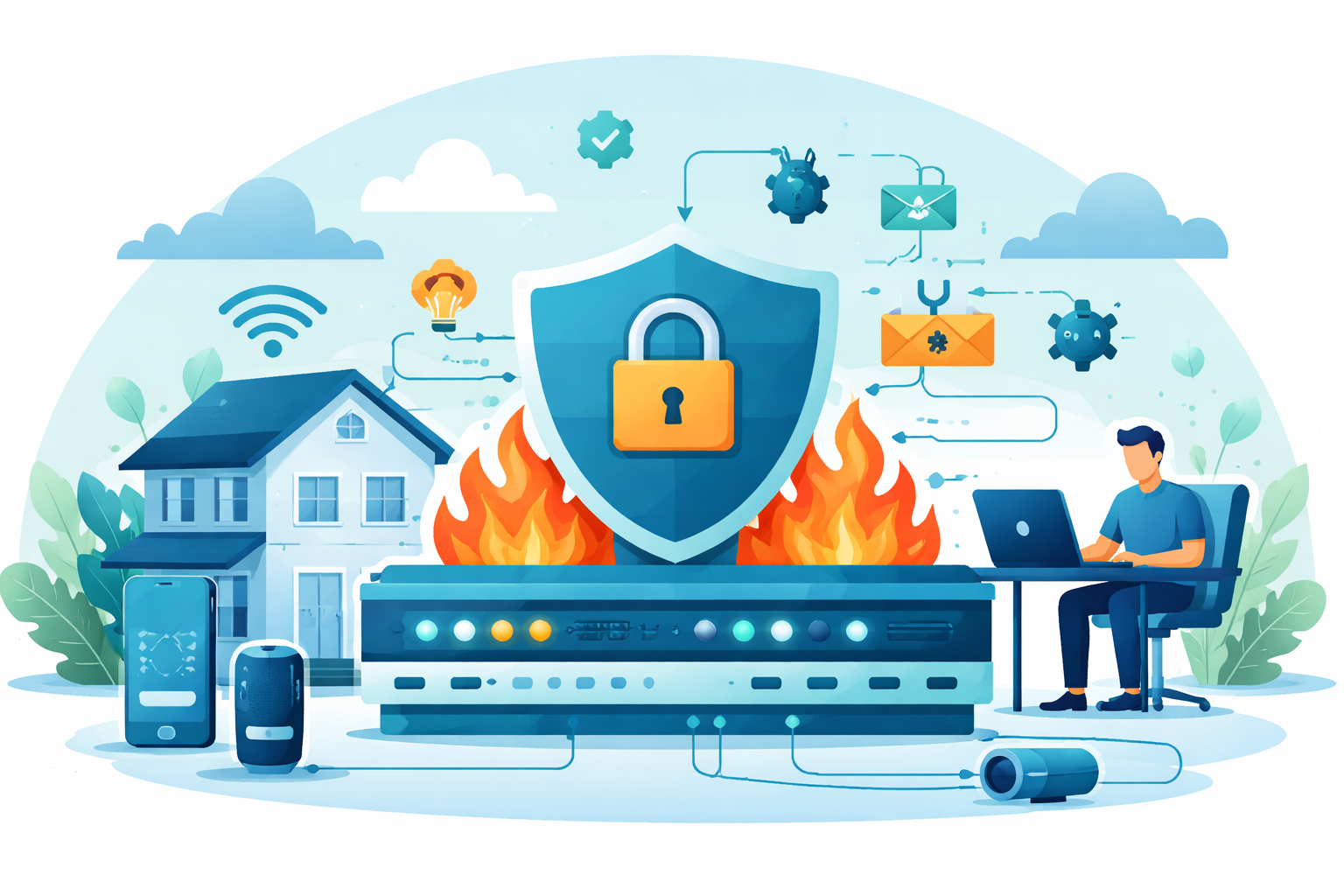
Protecting your home or business network is no longer optional—it’s essential. With cyber threats becoming more sophisticated, relying solely on basic router security isn’t enough. A hardware firewall adds a powerful layer of protection, helping you control and monitor incoming and outgoing internet traffic with precision.
Whether you’re working remotely, managing a business network, or simply browsing at home, understanding how hardware firewalls work—and why they matter—can significantly improve your digital safety. At the same time, optimizing your connection with the right provider plays a role, especially when exploring available internet plans in your area that can support secure and high-performance usage.
What Is a Hardware Firewall and How Does It Work?
A hardware firewall is a physical device installed between your internet connection and your internal network. Its job is to inspect all incoming and outgoing traffic before it reaches your devices.
Unlike software firewalls that run on individual computers, hardware firewalls operate at the network level. This means they protect every connected device—laptops, smartphones, smart TVs, and even IoT devices—without requiring separate installations.
How It Filters Network Traffic
Think of a hardware firewall as a security checkpoint. Every piece of data entering or leaving your network is analyzed based on predefined rules.
Packet Inspection: The firewall examines data packets for suspicious activity
Access Control: It allows or blocks traffic based on security policies
Threat Prevention: Malicious traffic is stopped before it reaches your devices
This centralized filtering makes hardware firewalls especially effective for both homes and businesses.
Hardware Firewall vs Router Firewall: What’s the Difference?
Many people assume their router already provides enough protection. While it’s true that most routers include basic firewall features, they are often limited in scope and customization.
Key Differences
Built-In Router Firewall
Basic protection against common threats
Limited customization options
Often lacks advanced monitoring features
Dedicated Hardware Firewall
Advanced threat detection and filtering
Greater control over network rules and permissions
Enhanced visibility into network activity
If you handle sensitive data, run a business, or want stronger protection, a dedicated hardware firewall is a worthwhile upgrade.
Key Benefits of Using a Hardware Firewall
Adding a hardware firewall to your network setup delivers multiple advantages beyond basic protection.
Network-Wide Security Protection
A hardware firewall protects every device connected to your network. This is especially useful in households with multiple users or businesses with shared systems.
Instead of relying on individual device security, you gain centralized control over your entire network.
Advanced Threat Detection
Modern hardware firewalls can identify and block a wide range of threats, including:
Malware and ransomware
Unauthorized access attempts
Suspicious outbound connections
This proactive approach helps prevent attacks before they cause damage.
Built-In VPN Support
Many hardware firewalls allow secure connections through integrated VPN functionality. This enhances privacy and protects your data when accessing the internet remotely.
If you’re exploring ways to strengthen your privacy, understanding how to set up a secure VPN connection can complement your firewall setup.
Customizable Security Rules
One of the biggest advantages is the ability to define your own network rules.
You can:
Block specific websites or ports
Restrict device access
Set usage schedules for users
This level of control is especially valuable for businesses and families.
Improved Network Performance
Unlike software firewalls that consume system resources, hardware firewalls operate independently. This means your devices can run faster while still being protected.
Who Should Use a Hardware Firewall?
Hardware firewalls are not just for large enterprises. They’re increasingly useful for everyday users as well.
Home Users
If your household relies heavily on internet-connected devices, a hardware firewall can protect against unauthorized access and data breaches.
Remote Workers
Working from home often involves accessing sensitive company data. A hardware firewall helps secure your connection and maintain privacy.
Small Businesses
For businesses handling customer data, financial transactions, or internal systems, a hardware firewall is essential for maintaining security and compliance.
What to Look for When Choosing a Hardware Firewall
Selecting the right firewall depends on your needs, budget, and level of technical expertise.
Performance and Speed
Choose a device that can handle your internet speed without slowing down your network. High throughput ensures smooth performance.
Security Features
Look for advanced capabilities such as:
Intrusion detection and prevention
Deep packet inspection
Real-time threat monitoring
Ease of Setup and Management
Some firewalls require technical knowledge, while others offer user-friendly interfaces. If you prefer a simple setup, choose a device with intuitive controls.
VPN Integration
If privacy is a priority, ensure the firewall supports VPN functionality for secure browsing.
Customer Support and Reviews
Before purchasing, check user feedback and support availability. Reliable technical assistance can make a big difference in long-term usability.
Common Mistakes to Avoid When Using a Firewall
Even with the right device, improper configuration can reduce effectiveness.
Ignoring Firmware Updates
Firewall manufacturers regularly release updates to fix vulnerabilities. Skipping these updates can leave your network exposed.
Using Default Settings
Default configurations may not provide optimal protection. Customizing your firewall rules ensures better security.
How Hardware Firewalls Work with Other Security Tools
A hardware firewall is most effective when combined with other security measures.
Antivirus Software
While the firewall blocks malicious traffic, antivirus software detects and removes threats already inside your system.
Secure Browsing Practices
Using private browsing modes and safe online habits adds another layer of protection. Learning how private browsing improves online privacy can further reduce your exposure to tracking and data leaks.
Strong Password Management
Combining firewall protection with secure passwords ensures your accounts remain protected from unauthorized access.
Is a Hardware Firewall Worth It?
For many users, the answer is yes.
A hardware firewall offers:
Stronger protection than basic router security
Centralized control over network traffic
Better performance compared to software-only solutions
While it may require an upfront investment, the long-term benefits—especially in preventing data breaches—far outweigh the cost.
Conclusion
A hardware firewall is one of the most effective ways to protect your network from modern cyber threats. By filtering traffic, blocking malicious activity, and giving you full control over your network, it provides a level of security that standard routers simply cannot match.
As internet usage continues to grow across homes and businesses, combining strong network protection with the right internet setup ensures both performance and safety. Investing in a hardware firewall today means building a safer, more reliable digital environment for everything you do online.
Related Posts
 Broadband Deals
cheap internet deals
cheap internet plans
Broadband Deals
cheap internet deals
cheap internet plans
Portland ISP Providers: How to Find the Best Internet Service
Compare Portland ISP providers, internet speeds, pricing, and availability. Learn how to choose the best internet service for your home or business.
 Internet Bundles
AT&T Business Internet: Plans, Speeds & Benefits Explained
Learn everything about AT&T Business Internet, including plans, speeds, fiber availability, pricing, features, equipment, and how to choose the best option.
 Broadband Deals
Internet Bundles
Broadband Deals
Internet Bundles
Comcast TV and Internet Bundles: Are They Still Worth It
Explore Comcast TV and internet bundles in 2026. Compare benefits, costs, package options, and discover whether a bundled plan fits your needs.
 cheap internet offers
How to Manage Dish Network Internet Data
Learn how to monitor and manage Dish Network Internet data usage with simple tools, smart tips, and optimization strategies to avoid overages.
 cheap internet offers
Broadband Deals
cheap internet offers
Broadband Deals
How to Decode Your Internet Bill and Spot Hidden Fees
Learn how to read your internet bill, identify hidden fees, challenge unnecessary charges, and lower your monthly internet costs with confidence.