Affordable Fixed Wireless Internet: What You Need to Know
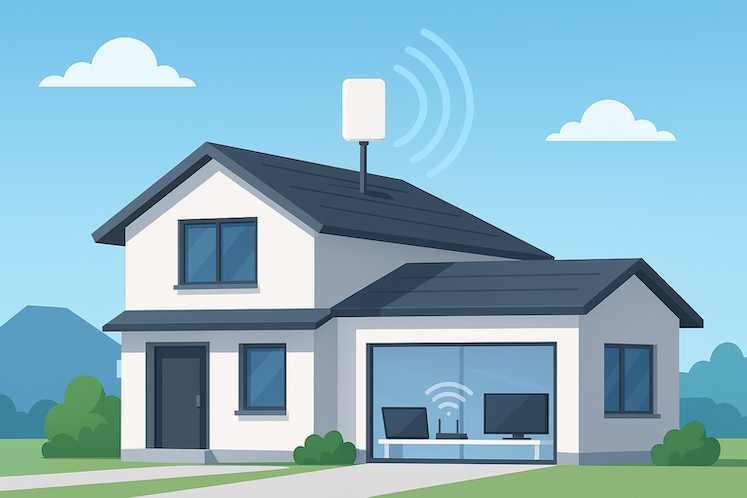
Fixed wireless internet is becoming a practical solution for many households and businesses, especially in areas where traditional cable or fiber connections are limited. While only about 51% of the nation currently has coverage, this technology is expanding rapidly, offering fast speeds and reliable service for both urban and rural users.
In this article, we’ll explore how fixed wireless works, its advantages and disadvantages, and why it could be the right choice for your home or business.
How Fixed Wireless Internet Works
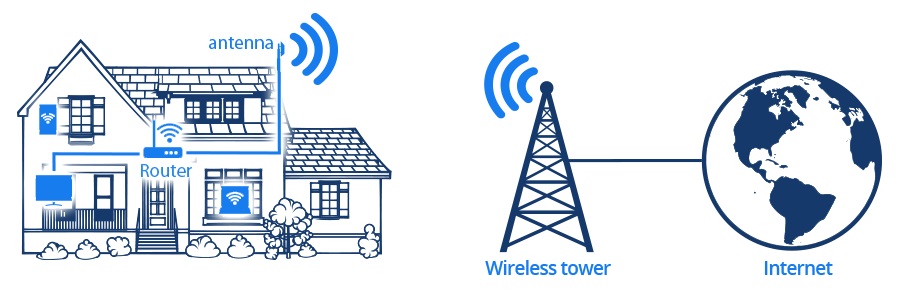
Unlike fiber or DSL, fixed wireless internet delivers connectivity through radio waves from a local base station to an antenna or dish installed at your property. While it may resemble satellite internet, fixed wireless is distinct—it does not rely on satellites and does not require buried cables.
Because it operates over airwaves, fixed wireless internet is often easier to deploy in rural areas or neighborhoods without existing cable infrastructure. Many providers now offer speeds up to 500 Mbps on business-class plans, making it a strong contender against traditional wired connections.
Read more about other internet options: AT&T Business Internet: Things You Need To Know! Complete Guide
Benefits of Fixed Wireless Internet
Fixed wireless internet offers several advantages, especially for users in underserved areas:
1. Wide Coverage Area
This technology can reach large geographic areas with a single base station, making it an excellent option for rural or suburban locations where fiber or cable may not be available.
2. Reliable Performance
Weather conditions affect fixed wireless less than some might expect. While heavy rain or snow can have a minor impact, most modern systems maintain consistent speeds under typical conditions.
3. High-Speed Internet
Fixed wireless plans often provide speeds competitive with cable or DSL, with some providers offering business-class options up to 500 Mbps. This makes it suitable for streaming, video calls, and online gaming.
4. Easy Installation and Cost-Effective
With no need for underground cables or complex wiring, installation is generally quicker and more affordable. Users can be online in a matter of days rather than weeks.
Limitations of Fixed Wireless Internet
Despite its benefits, fixed wireless internet has some limitations to consider:
1. Limited Mobility
Unlike mobile internet, fixed wireless is tied to a specific location. It does not support roaming, so it’s not suitable if you need internet on the go.
2. Line-of-Sight Requirements
The antenna must have a clear line of sight to the base station. Hills, buildings, or dense tree coverage can reduce connectivity or prevent service entirely.
3. Higher Cost Per Mbps
Depending on your area, fixed wireless may be more expensive than other types of internet when comparing the cost per Mbps.
Who Should Consider Fixed Wireless Internet?
Fixed wireless internet is ideal for:
- Rural businesses where cable or fiber options are limited
- Remote workers needing reliable high-speed internet
- Homes in areas with limited wired internet infrastructure
As technology continues to evolve, especially with the adoption of 5G, fixed wireless could soon rival traditional broadband connections in speed and affordability.
For more details, check the Complete Fixed Wireless Internet Provider List.
Future of Fixed Wireless Internet
With 5G networks expanding, fixed wireless internet may become more mainstream. While it won’t completely replace fiber or cable anytime soon, it is a viable alternative for users seeking high-speed, reliable internet without the need for extensive infrastructure.
If you’ve been frustrated with slow internet or live in an area with few options, fixed wireless internet is worth considering. Its combination of accessibility, speed, and ease of installation makes it a strong choice for modern connectivity.
Related Posts
 Technology
Wifi
mobile phone plans
Technology
Wifi
mobile phone plans
What Is a Mobile Hotspot and How Does It Work?
A mobile hotspot is a portable feature or device that converts a cellular data connection (like 4G LTE or 5G) into a private Wi-Fi network
 Broadband Deals
cable deal
Broadband Deals
cable deal
Xfinity Cable Package Deals That Actually Deliver Value
Discover the best Xfinity cable package deals, compare internet and TV bundles, understand pricing, and choose the right plan for your home and budget.
 Broadband Deals
What Is TDS Internet and Is It Right for Your Home?
Learn what TDS Internet is, how it works, available plans, pricing, speeds, benefits, and how it compares with other internet providers.
 Internet Bundles
Bundle Internet, TV, and Phone Without Overpaying
Learn how to bundle internet, TV, and phone services for the best value. Compare plans, avoid hidden fees, and choose the right package for your home.
 Broadband Deals
cable deal
cheap internet deals
Broadband Deals
cable deal
cheap internet deals
Chicago Neighborhood Internet Guide for Better Connectivity
Explore internet options across Chicago neighborhoods, compare providers, understand speeds, costs, and find the best broadband solution.