7 Alternatives to Google that you Should Know

Look at this curated web search tool list, containing some you may have known about and some that might be different to you:
1. Disconnect Search
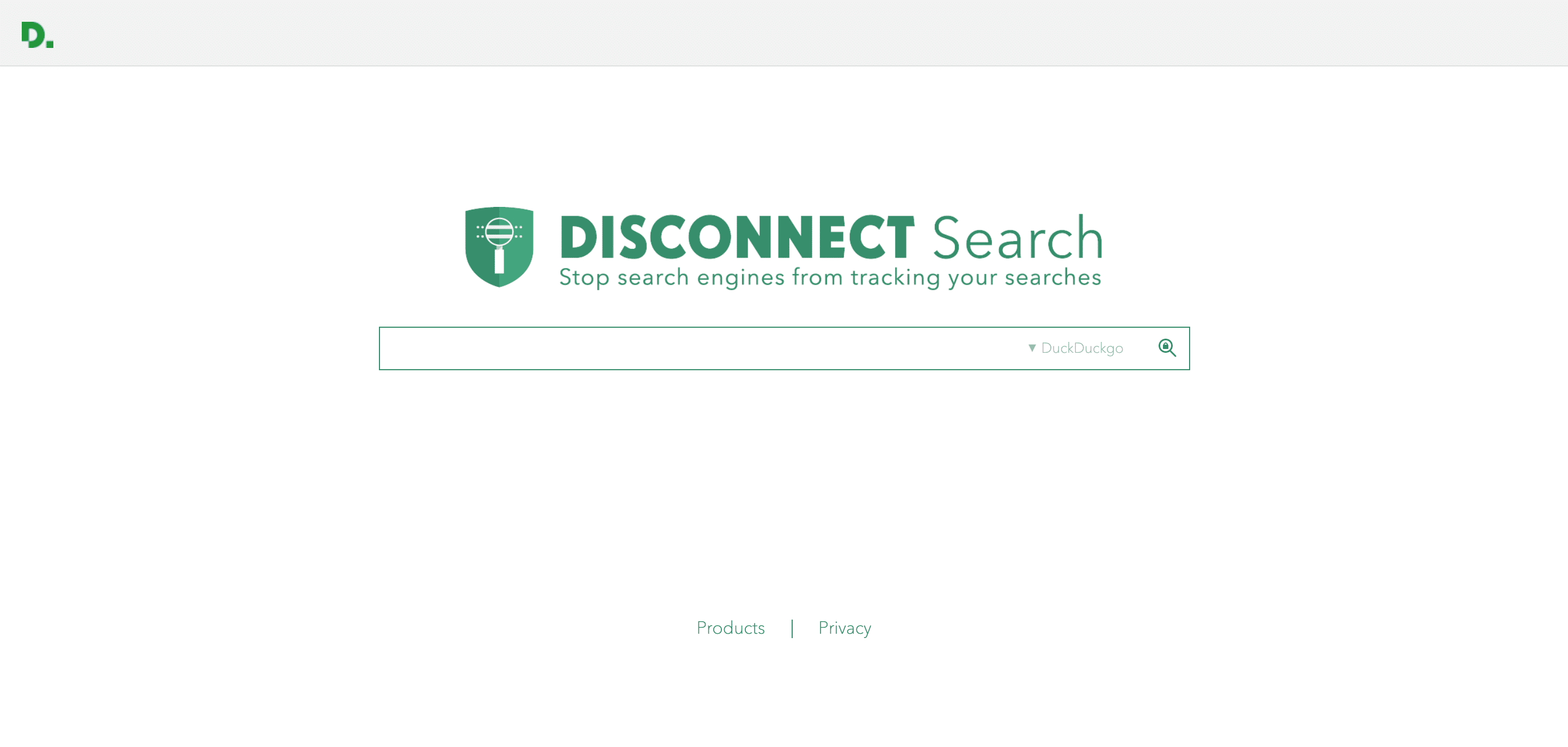
Disconnect allows you to conduct anonymous searches through a search engine of your choice.
When you enter a search term, your query is rerouted and anonymized through Disconnect’s servers before being passed on to the search engine you selected. This allows you to use your favorite search engine without any privacy issues.
Disconnect also offers browser extensions and apps that allow you to block tracking sites, load pages faster, view advertising requests and many more privacy-based functions.
2. Yippy

Yippy is another great choice for privacy, as it doesn’t track your searches or show customized adverts. It allows you to search different types of content including websites, images, news, jobs, blogs, and government data.
While it doesn’t give you a huge amount of results for your query, Yippy also allows you to filter the results using a variety of categories such as source, time, or topics to give you the most relevant websites.
3. Swisscows
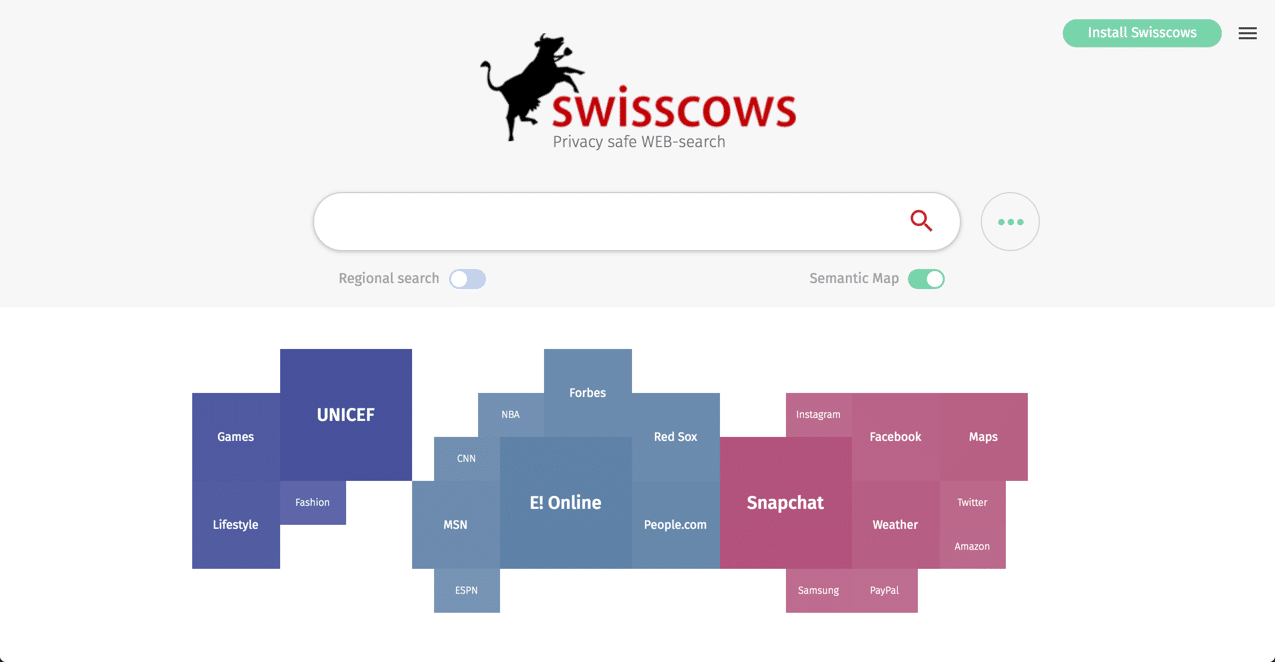
Swisscows provides fully encrypted searches to protect your privacy and security. It doesn’t store personal data, IP addresses or search queries, and its servers are based in Switzerland, which has some of the world’s strictest privacy policies.
It’s particularly popular with parents who want to give their children a safe search experience, as its built-in filter for pornography and violence can’t be overridden.
It uses semantic information recognition to offer intuitive answers to search queries, and data pools to generate answers quickly and efficiently. The innovative semantic map shows other relevant or popular queries, helping to give you even more information.
4. Gibiru

Gibiru’s tagline is “Unfiltered private search” and that’s exactly what it offers.
By downloading its AnonymoX Firefox add-on, all of your searches are sent through a proxy IP address. This provides you with private and unbiased search results and ensures that other computer users won’t be able to track your history.
Search queries aren’t saved on Gibiru’s servers and the records are erased within seconds of the search being performed.
5. Yandex
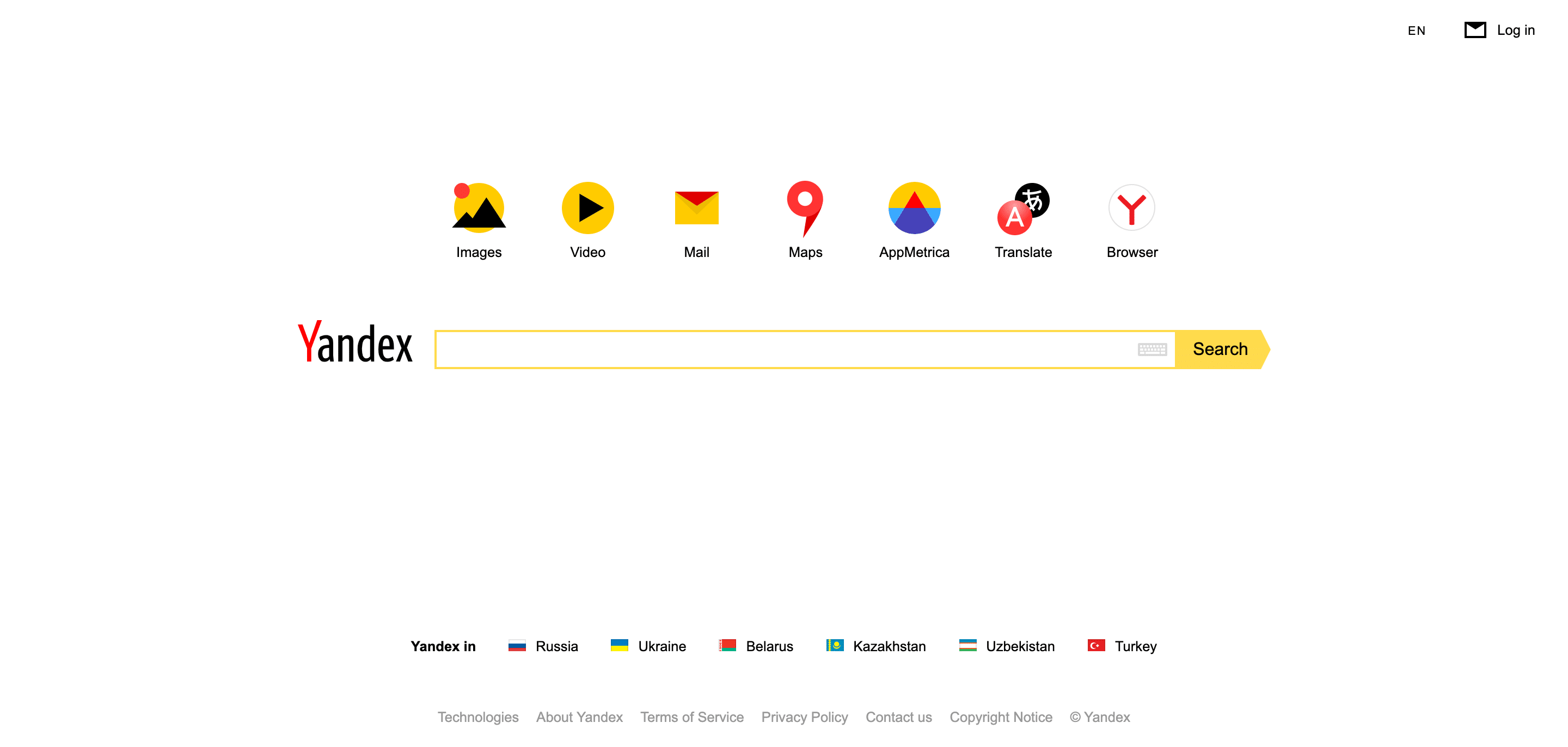
As the fifth most popular search engine worldwide, Yandex is used extensively in its native Russia, where it holds around 60% of the search engine market share.
It provides a very similar service to Google, and you can search websites, images, videos, and news in a user-friendly layout. With additional features including mobile apps, maps, translation, cloud storage and more, Yandex offers just as much functionality but with a cleaner interface.
6. WolframAlpha
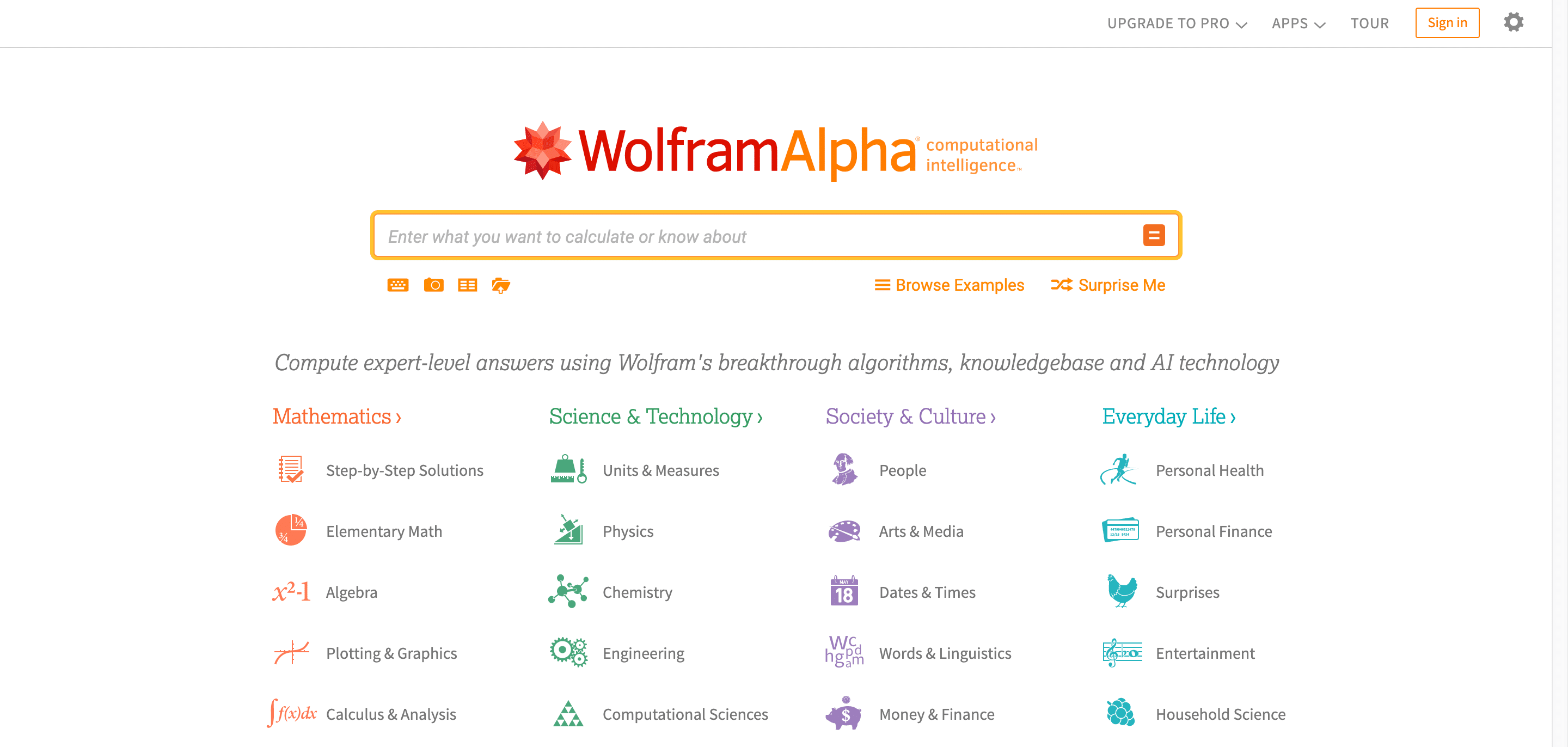
WolframAlpha is a privately owned search engine that allows you to “compute expert-level answers using Wolfram’s breakthrough algorithms, knowledgebase, and AI technology.”
It’s designed to deliver expert knowledge and is categorized into Mathematics, Science & Technology, Society & Culture, and Everyday Life. Within these are various subcategories and useful tools that allow you to compute data, research statistics and find expert answers to your questions (you’ll see an example in a minute).
Along with being a hub of expert knowledge, WolframAlpha doesn’t track your searches, offering peace of mind when it comes to privacy.
7. Baidu
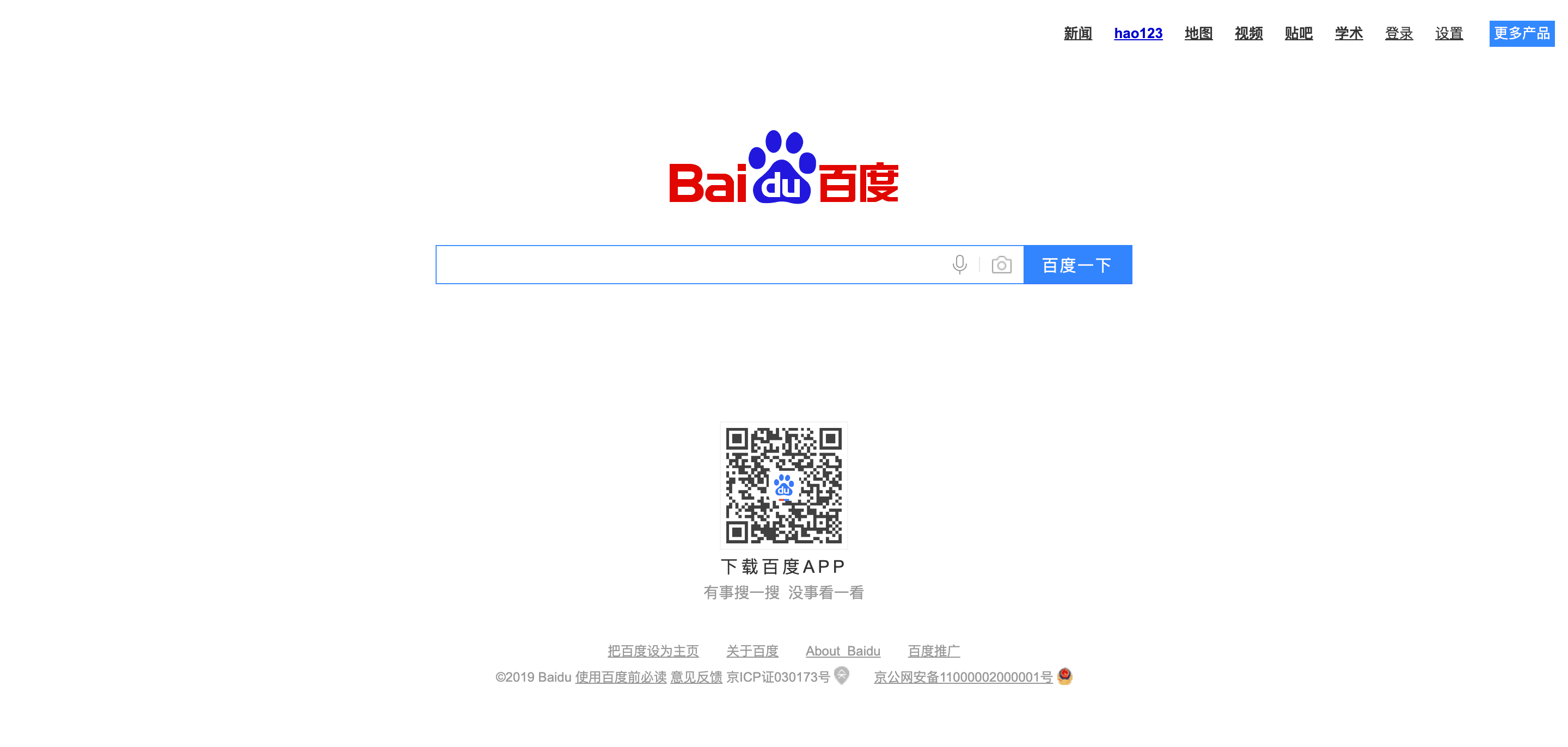
Baidu is the leading search engine in China, with a share of over 70% of China’s internet market. Although in Mandarin, it is strikingly similar to Google. It looks similar in terms of design, it is monetized through ads and it uses rich snippets in search results.
However, Baidu is heavily censored. Certain images and even pro-democracy websites are blocked on the search engine.
Related : Find a Provider Near You
Related Posts
 cheap internet offers
Broadband Deals
cheap internet offers
Broadband Deals
How to Decode Your Internet Bill and Spot Hidden Fees
Learn how to read your internet bill, identify hidden fees, challenge unnecessary charges, and lower your monthly internet costs with confidence.
 Broadband Deals
cheap internet deals
Regulations
Broadband Deals
cheap internet deals
Regulations
Early Termination Fees: What You Need to Know First
Learn the true cost of early termination fees, how internet contracts work, ways to avoid penalties, and what to check before signing up.
 Internet Bundles
Best Internet Service Deals and Promotions This Year
Compare the best internet service deals, promotions, gift cards, streaming offers, and bundle discounts from top internet providers to maximize your savings.
 cheap internet offers
The Internet Moving Checklist to Avoid Service Downtime
Use this complete internet moving checklist to avoid downtime, transfer service smoothly, schedule installation early, and stay connected.
 Safety
Best VPNs for Comcast Xfinity: Fast, Private & Reliable
Discover the best VPNs for Comcast Xfinity to improve speed, privacy, and streaming access. Compare top options for secure and reliable internet use.