3 Command Prompt Tricks to Boost your Internet Speed Connection
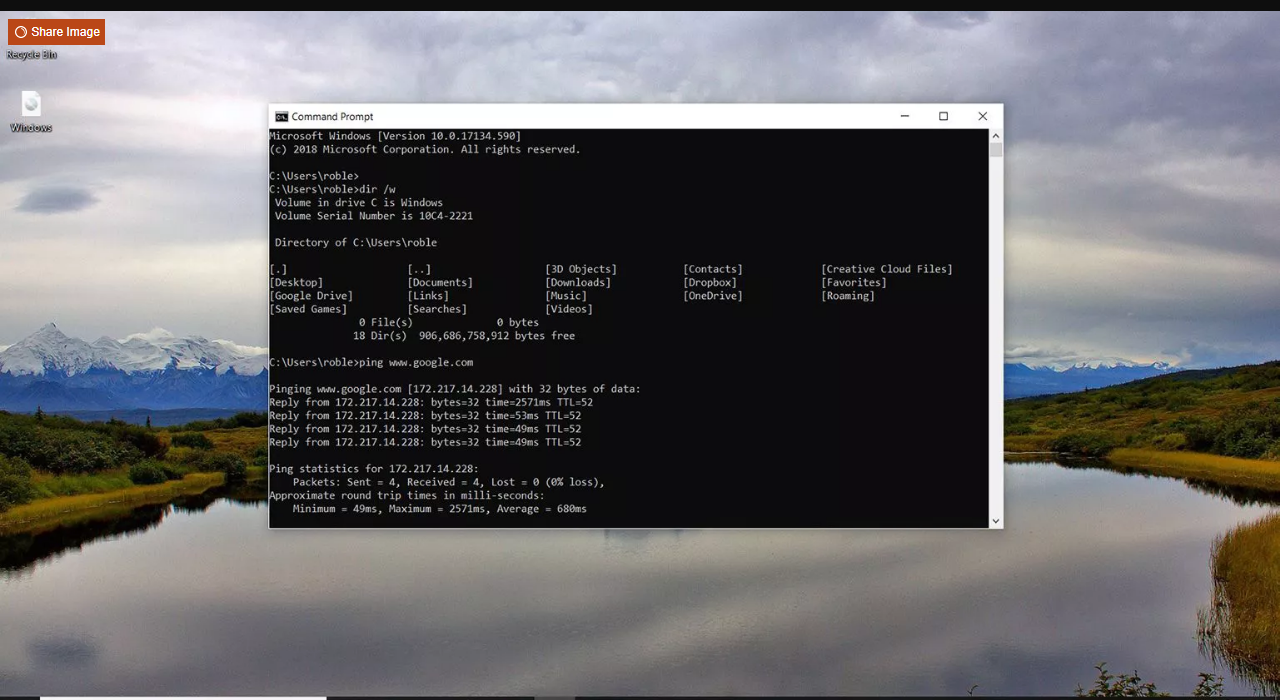
We all experienced slow internet speed, it's a never-ending issue. I might be an issue with ISP or network configuration itself.
Using a Command Prompt can be resolved many common issues such as DNS, IP Address, or DNS. Here are some command prompt tips you can try to fix slow internet issues.
Accessing Command Prompt
Open your Windows Search Bar and type cmd and right-click the Command Prompt option and select "Run as administrator". There are different ways to access the command prompt based on your Windows version. However, type in the Windows search bar is the easiest way.
Once you opened the Command Prompt window
1. Resetting Winsock
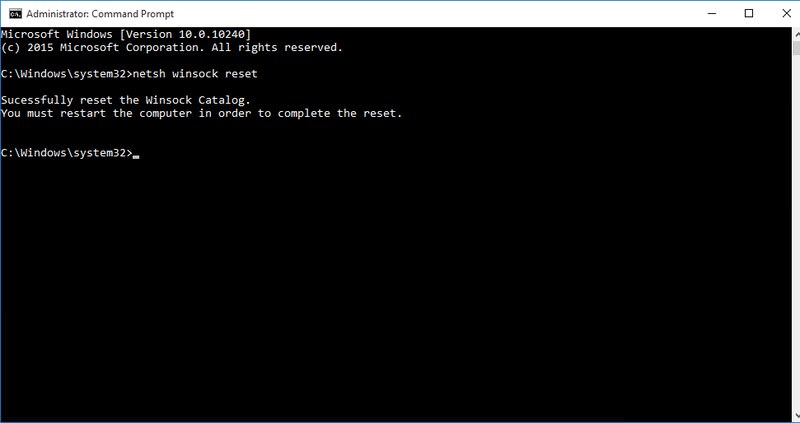
Winsock also known as Windows Network Sockets are used to exchanged information to manage redirect traffic to the right path. However, any corrupted socket may result to slow internet connection.
To reset your Windows Network Socket back to default, type netsh winsock reset in the Command Prompt and press Enter. After execution, restart your computer to apply changes.
2. Renewing IP Address
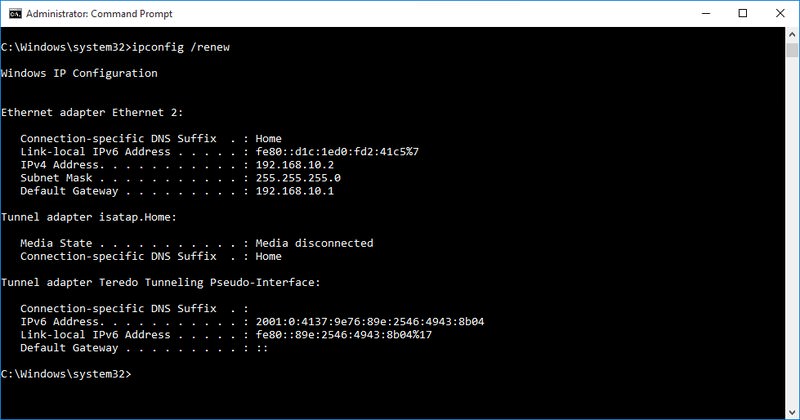
IP conflict or problem at the DHDP server may affect your current IP Address. This will cause a lot of issues including slow internet connection.
To do so, open your Command Prompt and type ipconfig /release and press Enter. This will show you a large column of text.
Next type ipconfig /renew and press Enter for the second time. It will reset your IP Address and solve any related issues including slow internet speed.
3. Flush DNS Resolver Cache
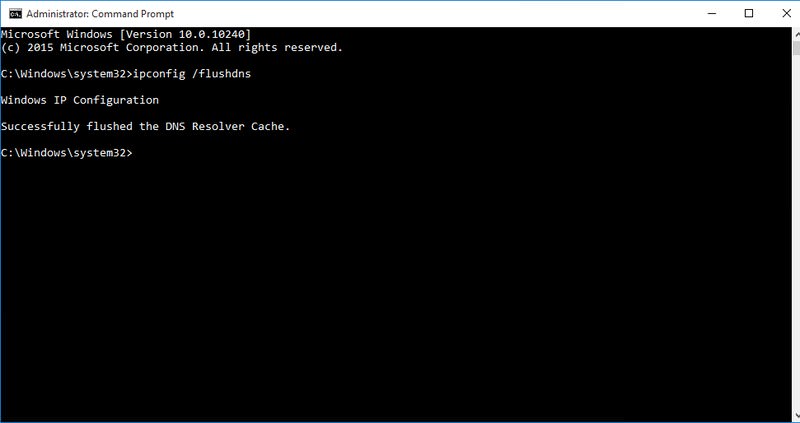
Your computer stores a list of websites IP addresses and hostnames that you browsed and save it to DNS resolver cache. This will save you time with the website you previously visited.
But, Any corruption in the DNS resolver cache will result in no access to website or slow internet connection.
To resolve this, type ipconfig /flushdns on the Command Prompt and press Enter. A text will show saying " Successfully flushed DNS Resolver Cache"
There are many ways to speed up your computer. By doing this command line trick will help you speed up your internet connection.
Related Posts
 Internet Bundles
Broadband Installation
Wifi
cheap internet deals
Internet Bundles
Broadband Installation
Wifi
cheap internet deals
Best DIRECTV Internet Services Provider for Your Home
Discover the best DIRECTV internet services, compare providers, pricing, speeds, bundles, and expert tips to choose the right home internet solution.
 Technology
Wifi
Technology
Wifi
How To Test Your Internet Speed?
Learn how to test your internet speed accurately, understand speed test results, fix slow connections, and improve your internet performance.
 cheap internet deals
Best Free & Legal Movie Streaming Sites in 2026
Discover the best free and legal movie streaming sites in 2026, including Tubi, Pluto TV, Plex, Hoopla, Kanopy, and more to watch movies online for free.
 Technology
YouTube Key Commands That Make Watching Videos Faster
Learn the best YouTube key commands to navigate videos faster, improve productivity, control playback easily, and enjoy a smoother streaming experience.
 Regulations
Technology
Regulations
Technology
What is An Internet Cookie?
Learn what internet cookies are, how cookies work, the different types of cookies, their benefits, privacy concerns, and how to manage them safely online.