Why You Need a VPN Today (and How It Protects You Online)
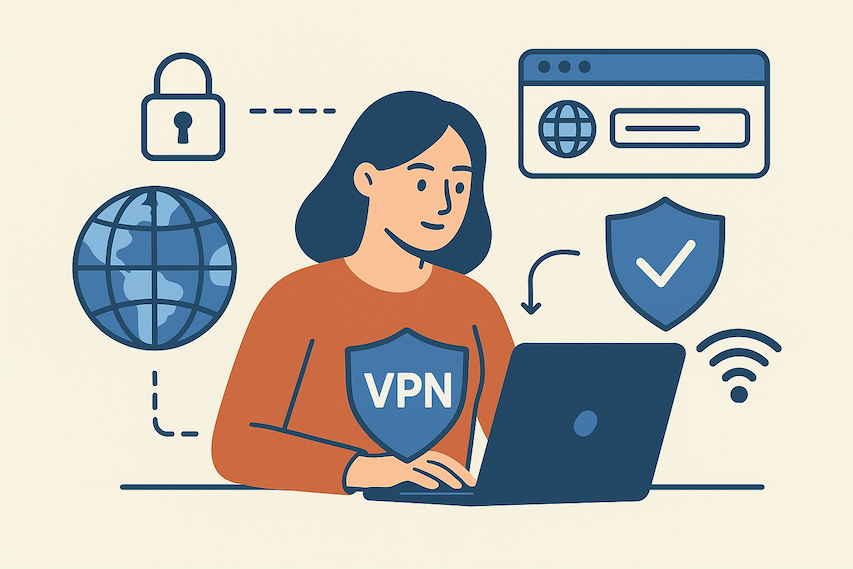
Staying private online isn’t something reserved for tech experts — it’s something every internet user should take seriously. Whether you’re streaming at home, checking email at the airport, comparing flight prices, or managing remote work tools, your online activities are constantly tracked by websites, advertisers, and even internet providers.
That’s why a VPN service has become one of the most essential tools for your online life.
A Virtual Private Network (VPN) encrypts your internet connection, hides your IP address, and helps you browse securely from anywhere. Instead of exposing your real identity, a VPN routes your traffic through a private server, protecting everything you do online.
Below, we break down how a VPN works, why it matters, and how it transforms your digital privacy and online freedom.
What Exactly Is a VPN?
A VPN, or Virtual Private Network, is a secure connection that shields your online activity. When you connect to a VPN server, your internet traffic becomes encrypted, making it unreadable to hackers, internet providers, advertisers, and anyone attempting to monitor your browsing.
The VPN also masks your IP address. To websites, you appear as if you’re browsing from another location — whether that’s another city or an entirely different country. This combination of encryption and anonymity makes VPNs essential for online privacy, data protection, and unrestricted browsing.
How Encryption Protects You
Once connected to a VPN, your data is scrambled into encrypted code. Only the server you’re communicating with can decode it. Even on public Wi-Fi — cafés, airports, hotels — cybercriminals won’t be able to access your passwords, banking information, or personal files.
Alongside tools that help you stay safe across different networks, a VPN delivers an essential layer of protection that keeps your information private at all times.
Why You Actually Need a VPN
Many people believe they don’t need a VPN because they’re “not hiding anything.” But privacy isn’t about hiding — it’s about protecting. Here’s why VPNs have become a must-have for everyday internet users.
1. Maintain Privacy and Bypass Restrictions
A VPN lets you browse freely without being limited by geographic filters.
Streaming platforms, news sites, and apps often restrict content based on your location. A VPN changes that by routing your traffic through a server in a different region, letting you bypass geo-blocks and access content as if you were physically there.
Schools, workplaces, and public networks often block specific websites too. A VPN helps you bypass these restrictions while keeping your identity hidden.
This blends well with general internet safety habits that protect your browsing habits without relying on your real location or network.
2. Save on Flights, Hotels, and Shopping
Pricing on the internet is dynamic — and location-based. When websites detect your region, they may show you higher travel prices, hotel rates, or even product costs.
A VPN lets you switch virtual locations and compare prices across regions.
Many travelers use this method to unlock cheaper booking rates. Just open a private window, connect to a different VPN server, and search again. The price differences can be significant.
Using a VPN this way, paired with basic digital safety practices, helps ensure you’re shopping securely without being tracked or profiled.
3. Access Blocked Websites and Apps
Some websites and apps are blocked due to network rules or local restrictions. Platforms like YouTube, Facebook, or TikTok might be unavailable in offices, schools, or even entire countries.
A VPN helps you access these platforms securely without exposing your identity, making it a valuable tool for:
- Students using limited school networks
- Travelers accessing apps that are unavailable abroad
- Remote workers needing consistent access to digital tools
By combining a VPN with everyday safe online habits, you gain both freedom and protection across restricted networks.
4. Protect Remote Work Connections
Remote work depends heavily on secure connections. A VPN offers encrypted access to company servers, business tools, files, and internal systems.
Companies rely on VPNs to:
- Protect confidential documents
- Prevent unauthorized access
- Secure employee logins
- Maintain safe remote operations
If your company handles sensitive data, a VPN isn’t optional — it’s required. It also complements broader online safety strategies inside and outside the workplace.
5. Stay Safe on Public Wi-Fi
Public Wi-Fi networks are convenient, but they’re also the easiest way for hackers to intercept your data. Without protection, cybercriminals can see:
- Passwords
- Emails
- Banking information
- Private messages
- File transfers
A VPN fully encrypts your traffic, even when the network isn’t secure. That means your personal details stay protected, no matter where you connect.
This level of protection pairs perfectly with standard internet safety routines — especially for frequent travelers or remote workers.
6. Reduce Online Tracking and Data Profiling
Almost every website tracks your activity. Advertisers collect information about what you click, how long you stay, and what you might buy next.
A VPN interrupts this tracking.
By masking your IP address, it becomes harder for advertisers and analytics tools to build detailed profiles about you. Combined with general stay safe practices, you limit how much information companies can collect, store, or use for targeted advertising.
How to Choose the Right VPN Provider
Not all VPNs offer the same protection. Some free VPNs record your data or use weak encryption. A reputable paid VPN gives you:
- Stronger security
- Faster speeds
- Reliable privacy policies
- Better device compatibility
Here are trusted options:
- ExpressVPN — Fast, secure, and extremely user-friendly
- NordVPN — Strong encryption and global server coverage
- Private Internet Access — Affordable with a strict no-logs policy
- PureVPN — Great balance of cost, performance, and features
When choosing a provider, consider:
- Server locations
- Speed and reliability
- No-logs policy
- Device support
- Ease of setup
- Streaming access
A VPN should fit your daily needs — whether that’s work, travel, streaming, or general digital safety.
Is a VPN Worth It?
Absolutely.
A VPN is one of the most powerful tools you can use to protect your online life. It keeps your browsing secure, helps you avoid tracking, unlocks restricted content, and gives you more control over your personal data.
For the price of a monthly subscription, you gain:
- More privacy
- More security
- More access
- More control
- Less tracking
If you value your safety online — and want to stay safe every time you browse — a VPN is no longer optional. It’s essential.
Related Posts
 Safety
What Not to Do And Internet Safety Tips To Protect You Online
Learn what not to do online and discover practical internet safety tips to protect your personal data, devices, and accounts from cyber threats.
 cheap internet deals
Cheap Internet Plans in Florida: Find the Right Fit Fast
Discover how to find cheap internet plans in Florida based on your lifestyle, location, and speed needs. Compare providers and choose the best plan today.
 cheap internet deals
Cheap Internet Plans vs Premium Plans
Cheap vs premium internet plans explained. Learn the key differences in speed, data limits, reliability, and pricing to choose the best plan for your home.
 Subscription
cheap internet offers
Subscription
cheap internet offers
Spectrum vs Verizon 5G Home Internet: Which Is Better?
Spectrum vs Verizon 5G Home Internet: compare speed, pricing, reliability, and availability to choose the best home internet provider for your household.
 Internet Bundles
How to Get Free or Cheap Internet in the U.S.
Learn how to get free or discounted internet in the U.S. Discover government programs, provider discounts, and practical ways to lower your monthly bill.