How eSIM Helps You Stay Connected While Traveling Abroad
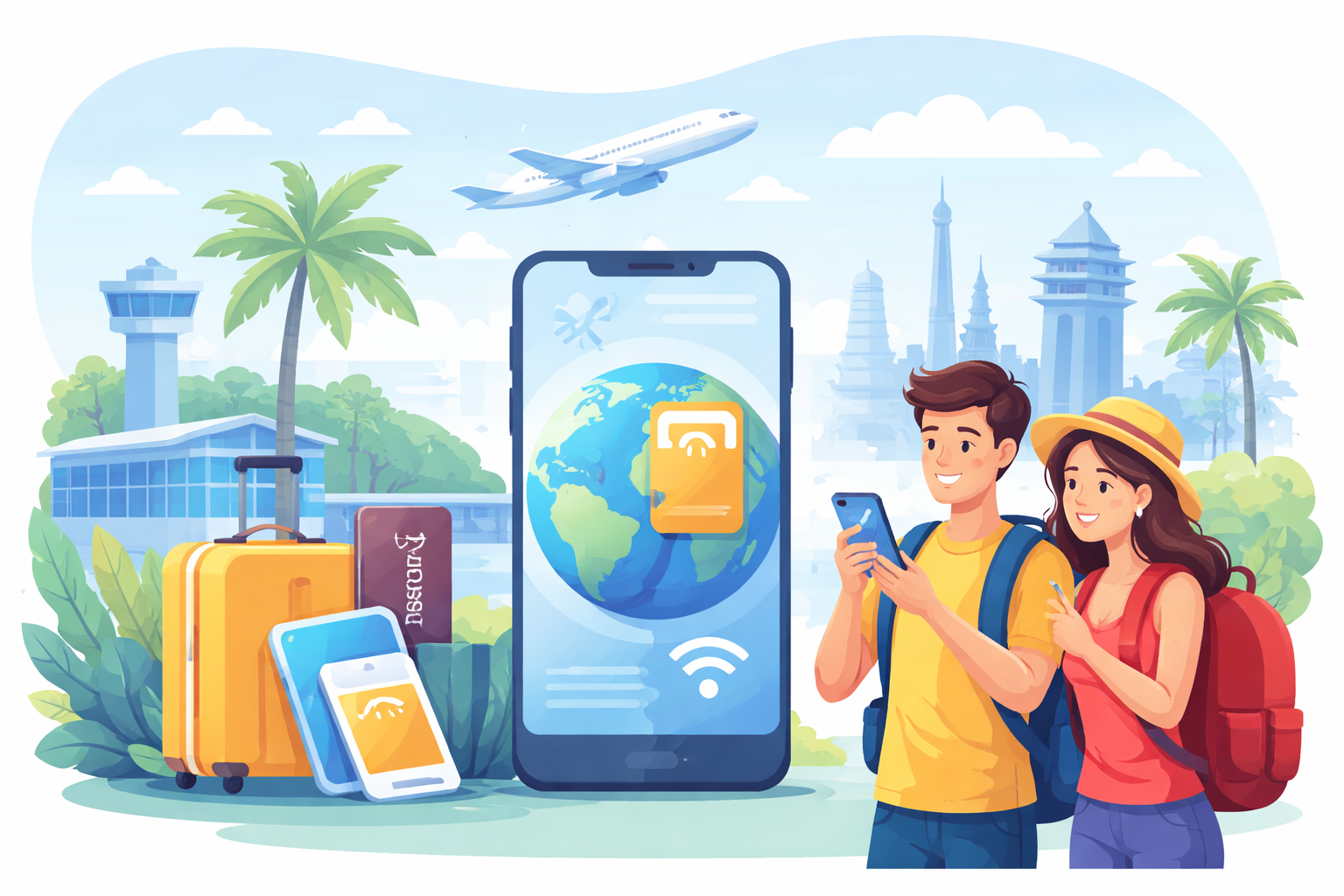
Traveling abroad is exciting, but staying connected while avoiding high roaming fees can be challenging. Traditional SIM cards often require swapping or purchasing local plans, which can be time-consuming and confusing. This is where eSIM technology comes in, providing a flexible, reliable solution for global connectivity. Whether you’re a frequent traveler, a business professional, or someone planning a long-term trip, understanding how eSIM works can save you time, money, and stress.
What is an eSIM and How Does It Work?
An eSIM, or embedded SIM, is a digital SIM that eliminates the need for a physical card. Unlike traditional SIM cards, which must be inserted into your phone, eSIMs are built into the device and can store multiple mobile profiles. This allows you to switch between carriers or activate a local plan instantly without visiting a store.
The convenience of an eSIM is particularly useful when traveling abroad. You can download a local carrier plan directly to your device, ensuring immediate access to mobile data, calls, and messaging without dealing with physical SIM swaps.
Why eSIM is Ideal for Travelers
Quick Activation
One of the most significant advantages of eSIM for travel is the speed of activation. Travelers can choose a local plan online and have it active in minutes. This eliminates the long queues at airport kiosks and reduces the hassle of finding a compatible SIM card.
Cost-Effective Plans
International roaming can be expensive, and physical SIMs often come with hidden fees. With an eSIM, you can compare different local or global plans and select the most affordable option. For example, some carriers offer cheap eSIM plans specifically for tourists, helping travelers save significantly on mobile usage.
Multiple Profiles
Many travelers carry multiple SIM cards for work and personal use. With eSIM technology, you can store multiple profiles on a single device. This means switching between your home carrier and a local provider is seamless, without physically changing the SIM card.
How eSIM Enhances Connectivity Abroad
Reliable Mobile Data
Having access to reliable mobile data is essential for navigation, translation, and communication while traveling. eSIMs ensure you stay connected even in remote locations, as local providers offer extensive coverage and faster internet speeds.
For those who need only internet access, data-only plans can be a practical solution. These plans, often available with eSIMs, allow travelers to connect multiple devices and maintain continuous internet access without extra charges.
Internet Calls Made Easy
Another way eSIM helps travelers is by supporting internet calls through apps. Services like WhatsApp, Zoom, and Skype allow users to make calls using mobile data rather than relying on expensive international minutes. With an active eSIM plan, these apps work smoothly, even when switching countries.
Avoiding Roaming Fees
Roaming fees are a common pain point for international travelers. eSIMs allow you to bypass these fees entirely by switching to a local plan upon arrival. This flexibility not only saves money but also reduces stress, as you can maintain consistent mobile access without worrying about sudden charges.
Choosing the Right eSIM Plan
When selecting an eSIM for international travel, consider these factors:
- Coverage: Make sure the plan covers your destination country and areas you plan to visit.
- Data Limits: Choose a plan that fits your expected usage, whether for browsing, streaming, or internet calls.
- Validity: Some eSIM plans are short-term, ideal for a week or two, while others last longer for extended trips.
- Compatibility: Ensure your device supports eSIM activation and is compatible with the selected carrier.
By keeping these points in mind, travelers can choose a plan that balances cost, coverage, and convenience effectively.
Devices That Support eSIM
Modern smartphones and devices increasingly support eSIM. Popular options include:
- iPhone Models: iPhone XS and newer models fully support eSIM functionality.
- Android Devices: Many Samsung, Google Pixel, and Huawei phones support eSIM activation.
- Wearables and Tablets: Smartwatches and some tablets also allow eSIM connectivity, perfect for staying online without carrying a phone.
Having a compatible device ensures that switching carriers and activating plans abroad is smooth and hassle-free.
Tips for Using eSIM Abroad
- Activate Before You Travel: Download your eSIM plan while you still have a stable internet connection to avoid delays.
- Keep Backup Plans: For extended trips, consider storing multiple eSIM profiles to switch between local networks if needed.
- Monitor Data Usage: Track your usage to avoid unexpectedly exhausting your data plan.
- Use Wi-Fi When Available: While eSIM ensures mobile connectivity, public Wi-Fi can help conserve data and extend plan validity.
The Future of eSIM for Travelers
eSIM adoption is expected to grow rapidly, particularly among frequent travelers and business professionals. As more carriers support eSIM activation and international plans, travelers will enjoy unprecedented convenience. In addition, emerging technologies like 5G and IoT devices are further enhancing the value of eSIM by providing faster and more reliable connections across the globe.
Related Posts
 Safety
What Not to Do And Internet Safety Tips To Protect You Online
Learn what not to do online and discover practical internet safety tips to protect your personal data, devices, and accounts from cyber threats.
 cheap internet deals
Cheap Internet Plans in Florida: Find the Right Fit Fast
Discover how to find cheap internet plans in Florida based on your lifestyle, location, and speed needs. Compare providers and choose the best plan today.
 cheap internet deals
Cheap Internet Plans vs Premium Plans
Cheap vs premium internet plans explained. Learn the key differences in speed, data limits, reliability, and pricing to choose the best plan for your home.
 Subscription
cheap internet offers
Subscription
cheap internet offers
Spectrum vs Verizon 5G Home Internet: Which Is Better?
Spectrum vs Verizon 5G Home Internet: compare speed, pricing, reliability, and availability to choose the best home internet provider for your household.
 Internet Bundles
How to Get Free or Cheap Internet in the U.S.
Learn how to get free or discounted internet in the U.S. Discover government programs, provider discounts, and practical ways to lower your monthly bill.