Everything You Need to Know About Download and Upload Speeds
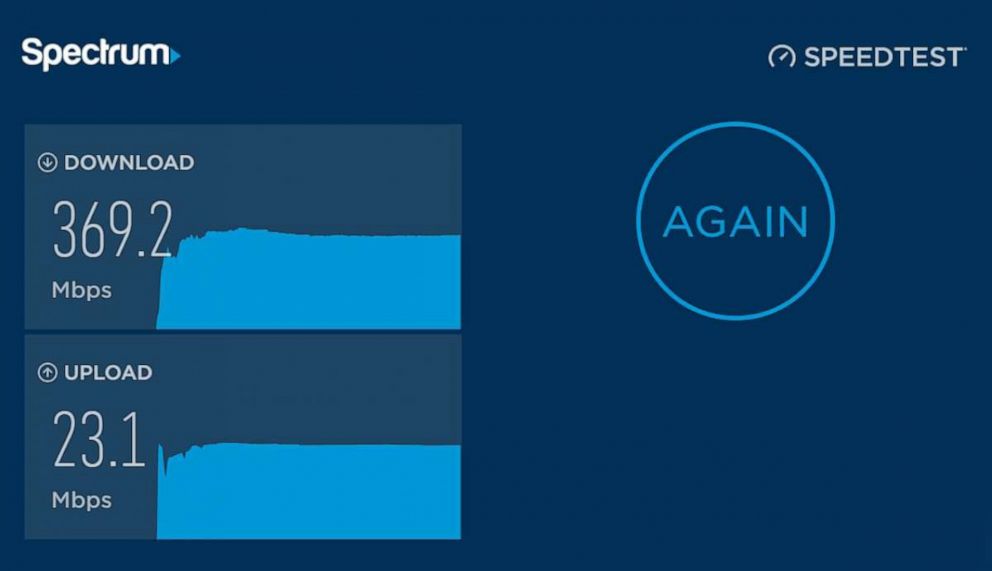
When you want to upload a video to Facebook, your internet suddenly slows to a crawl, although you thought you had the best internet speed on the market. Enter the doomsday spinning wheel. You've just been afflicted by poor internet upload speeds.
How internet speed works
The amount of data your internet connection can transfer per second is measured in megabits of data per second (Mbps). The internet speeds you see in Mbps refer to how quickly a provider delivers data to and from your residence (commonly referred to as download speed).
You can download and upload data from the internet, therefore each internet connection will have download and upload speeds.
Download Speed
The number of megabits of data per second required to download data from a server in the form of photos, videos, text, files, and audio is referred to as download speed. Downloading data is required for activities like as listening to music on Spotify, downloading huge files, and watching Netflix videos.
Upload Speed
The amount of data you can send from your computer to another device or server on the internet is measured in megabits per second. While it is more customary to download data, some online activities require data to go in the opposite direction. To send data to someone else's server, you'll need fast upload speeds for sending emails, playing live tournament-style video games, and video calling on Zoom.
Internet Bandwidth
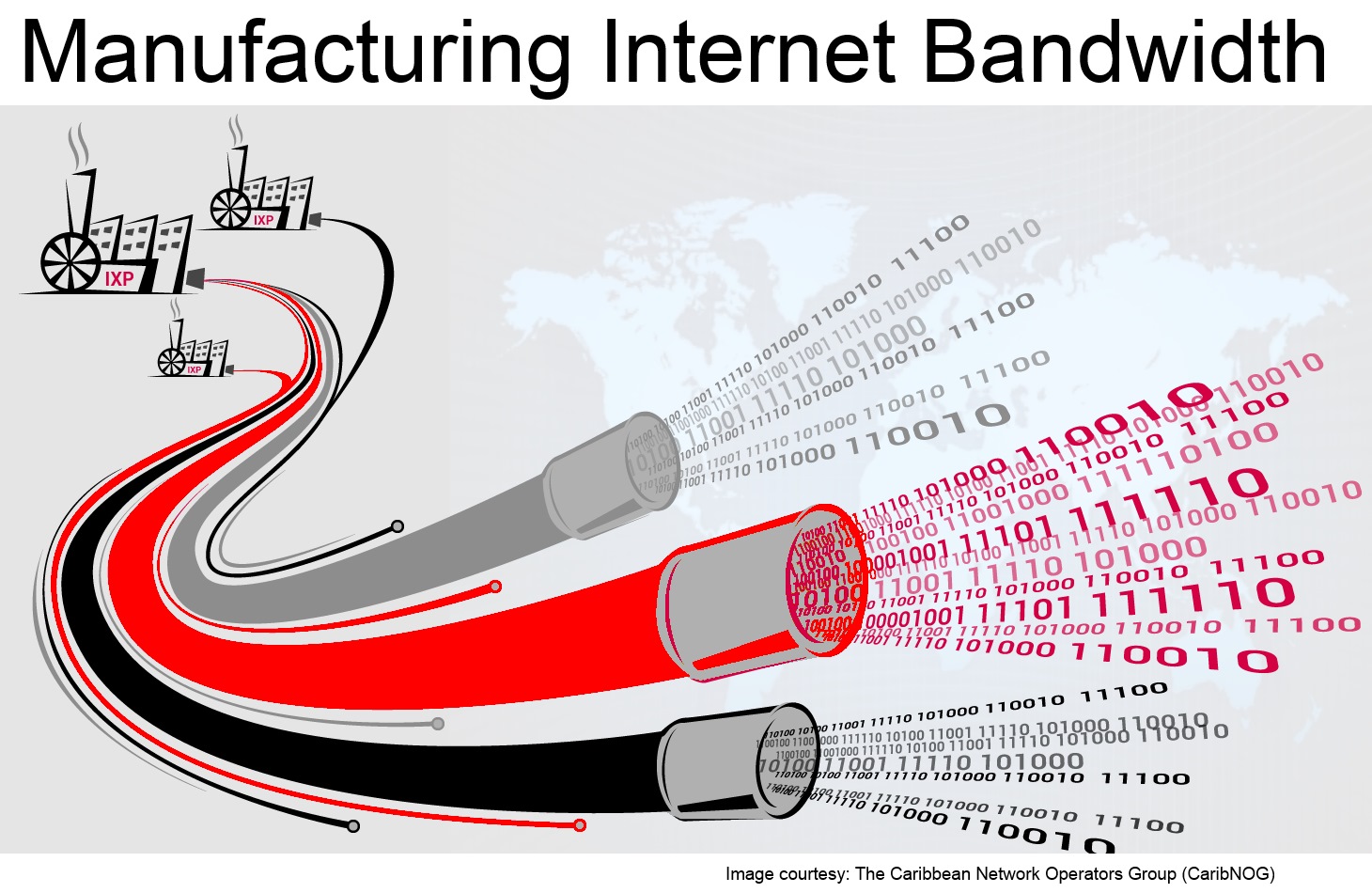
Bandwidth is similar to a highway in that the more lanes you have, the more room you provide driving cars, allowing them to drive faster and with a bigger volume of cars.
The number of megabits per second (Mbps) indicates how much bandwidth your home Wi-Fi connection has. The more internet bandwidth you have, the more data you can download in an acceptable amount of time. Furthermore, because more data may flow, you can improve the pace at which it moves.
Both download and upload speeds should be considered when determining what internet speeds you require for specific activities. One may be more significant than the other, depending on what your preferred online hobbies are.
Why Download Speeds Are Always Faster Than Upload Speeds
Because the bulk of online activities require more download bandwidth than upload bandwidth, most providers prioritize download speed above upload speed. The majority of frequent online activities, as you'll see below, rely largely on high download rates.
Because other activities that require data to be uploaded still require data to move in both directions, the average person requires higher download speeds than upload speeds.
Fiber internet connections, on the other hand, are an outlier. Upload internet speeds that match download speeds are common among fiber internet providers.
Activities That Require Download
-
Watching a Netflix movie or show
-
Shopping online
-
Scrolling through social media
-
Viewing YouTube videos
-
Reading online articles
-
Streaming music services
Activities That Require Upload
-
Video calls or conferences
-
Live tournament-style gaming
-
Sending emails with large attachments
-
Backing up data to online or cloud storage services
-
Uploading videos to social media
-
Working on live, cloud-hosted documents like Google Sheets or Docs
Check Your Internet Speed
Using a free internet speed test, you can find out what your internet upload speed is and evaluate your download speed. Both upload and download rates will be measured in a speed test. To ensure consistency and determine whether you need to upgrade your Wi-Fi connection at home, we recommend testing internet speeds in multiple areas of your home.
Whatever your observations, keep in mind that most people do not have access to full speeds at home. This is due to the amount of other people on the network who consume bandwidth, the way Wi-Fi signals degrade as they travel around a home, and a variety of other variables that might decrease internet connections.
Does your Internet need an upgrade? Click below to have access to high download and upload speeds.

Related Posts
 Safety
What Not to Do And Internet Safety Tips To Protect You Online
Learn what not to do online and discover practical internet safety tips to protect your personal data, devices, and accounts from cyber threats.
 cheap internet deals
Cheap Internet Plans in Florida: Find the Right Fit Fast
Discover how to find cheap internet plans in Florida based on your lifestyle, location, and speed needs. Compare providers and choose the best plan today.
 cheap internet deals
Cheap Internet Plans vs Premium Plans
Cheap vs premium internet plans explained. Learn the key differences in speed, data limits, reliability, and pricing to choose the best plan for your home.
 Subscription
cheap internet offers
Subscription
cheap internet offers
Spectrum vs Verizon 5G Home Internet: Which Is Better?
Spectrum vs Verizon 5G Home Internet: compare speed, pricing, reliability, and availability to choose the best home internet provider for your household.
 Internet Bundles
How to Get Free or Cheap Internet in the U.S.
Learn how to get free or discounted internet in the U.S. Discover government programs, provider discounts, and practical ways to lower your monthly bill.