Cheap Unlimited Data Plans: What You Should Know First
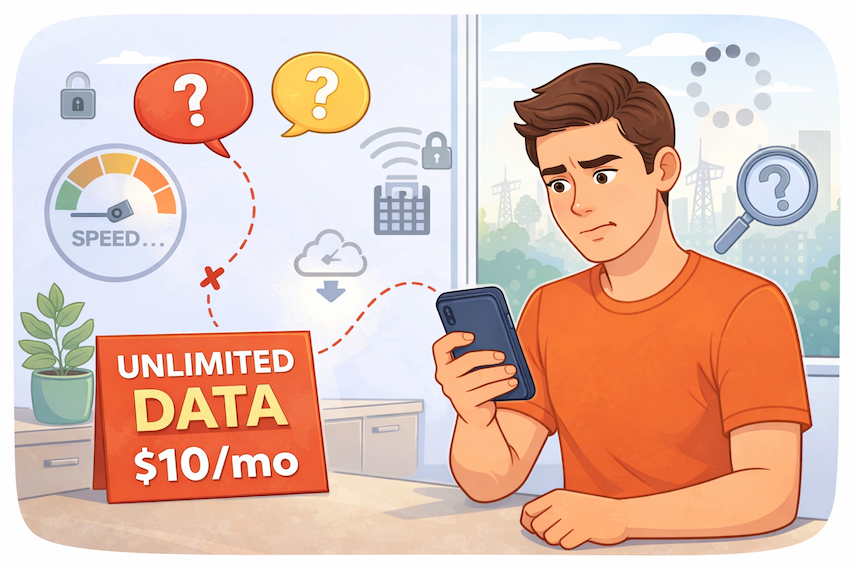
Choosing the right unlimited mobile data plan might seem simple at first—you want all the data you can get without breaking the bank. But not all “unlimited” plans are created equal. From data speed restrictions to hidden throttling and network coverage limitations, there are several key factors to watch out for before signing up.
In this guide, we’ll break down the most important things you need to know about cheap unlimited mobile data plans, so you can get the best value without compromising on performance.
Understanding Data Speed
One of the first things to consider in a mobile data plan is data speed. Even with an unlimited plan, slow speeds can make streaming videos, listening to music, or using your phone as a hotspot frustrating.
- High-speed data: Look for carriers that promise consistent high-speed connectivity. Some plans offer 5G or advanced LTE, which means faster downloads and smoother video streaming.
- Real-world speeds: Keep in mind that the speeds advertised by carriers are often the maximum possible. Your experience can vary depending on your location, network congestion, and the time of day.
For example, T-Mobile unlimited plans are known for strong nationwide coverage, but speeds may slow during peak hours in crowded areas. Understanding the difference between advertised speeds and real-world performance is key.
Data Deprioritization and Throttling
Another factor to watch for is data deprioritization. Many mobile carriers implement this policy to manage network traffic during busy periods.
- What it means: If you’re on an unlimited plan, your data could be temporarily slowed down when the network is congested, especially after reaching a monthly usage threshold.
- Thresholds matter: For example, Verizon slows down speeds after 25 GB of high-speed usage in a month, which can impact streaming and video calls.
- Who it affects: Heavy data users are usually the first to experience throttling. Casual users might not notice any difference, but if you rely on your phone for constant streaming or hotspot use, deprioritization can be frustrating.
It’s a subtle but crucial factor when comparing plans. Reading the fine print and checking carrier policies on deprioritization can save you from unexpected slowdowns.
Hidden Fees and Extra Charges
A cheap unlimited plan may look appealing at first, but many carriers include hidden fees:
- Activation fees: Some carriers charge a one-time fee to start your plan.
- Taxes and surcharges: These can add $5–$15 per month.
- Equipment costs: If your plan requires a new phone or hotspot device, this can increase your monthly expenses.
Always calculate the true cost of the plan, not just the advertised monthly price. Doing so ensures you are genuinely getting a good deal.
Network Coverage and Reliability
Even the fastest plan is useless if your carrier doesn’t cover your area well. Coverage maps can give a general idea, but actual reliability can differ.
- Urban vs. rural: Urban areas often have faster 5G speeds, while rural areas may rely on slower LTE.
- Indoor coverage: Buildings can block signals. Some carriers offer Wi-Fi calling to compensate.
- Travel considerations: If you travel frequently, check nationwide coverage and roaming policies. You don’t want to pay for unlimited data that you can’t actually use.
Comparing coverage maps from different carriers, such as Verizon coverage versus T-Mobile, helps you pick the most reliable option for your lifestyle.
Data Hotspot Limitations
Many unlimited plans allow you to use your phone as a mobile hotspot, but there are often limits:
- Hotspot data caps: Some carriers only give a portion of your unlimited data for hotspot use. For example, a 10 GB hotspot limit is common.
- Speed restrictions: Hotspot data might be deprioritized or slowed down after reaching the limit.
- Device compatibility: Check whether your phone supports hotspot usage and whether the carrier allows tethering.
If you rely on your phone to power a laptop or other devices, understanding hotspot rules is essential.
International Roaming Rules
Unlimited data doesn’t always mean unlimited global access:
- Limited international data: Many carriers restrict high-speed data abroad. Speeds can drop to 128 kbps in some countries.
- Extra charges: Using data outside your plan’s included areas can result in unexpected fees.
- Travel passes: Some carriers offer short-term travel add-ons to maintain high-speed usage overseas.
If you travel internationally, make sure your plan provides adequate coverage without incurring heavy charges.
Customer Support and Service Quality
Even the best plan can be frustrating without reliable support:
- Response times: Look for carriers with quick, helpful customer service.
- Online support: Apps and online portals make managing your account easier.
- Problem resolution: Check online reviews for complaints about billing, data throttling, or service outages.
A carrier with poor support can make an otherwise good plan a headache, so consider this factor carefully.
Comparing Unlimited Plans: Tips and Tricks
When looking for cheap unlimited data, comparison is key:
- List your priorities: Speed, coverage, hotspot usage, and international data.
- Check throttling policies: Understand deprioritization thresholds.
- Calculate the total cost: Include fees, taxes, and required devices.
- Read reviews: Real user experiences can reveal hidden issues.
- Test before committing: Some carriers allow a trial period or easy cancellation.
Taking these steps ensures you select a plan that truly fits your usage habits.
Final Thoughts
A cheap unlimited mobile data plan can offer great value, but only if you carefully review the details. Pay attention to data speeds, deprioritization, hidden fees, coverage, hotspot limits, international roaming, and customer support. By understanding these factors, you can avoid surprises and get the most out of your unlimited data plan.
Remember, “unlimited” doesn’t always mean unrestricted. Choosing a plan that aligns with your actual data needs ensures smooth streaming, uninterrupted calls, and reliable connectivity wherever you go.
Related Posts
 Safety
What Not to Do And Internet Safety Tips To Protect You Online
Learn what not to do online and discover practical internet safety tips to protect your personal data, devices, and accounts from cyber threats.
 cheap internet deals
Cheap Internet Plans in Florida: Find the Right Fit Fast
Discover how to find cheap internet plans in Florida based on your lifestyle, location, and speed needs. Compare providers and choose the best plan today.
 cheap internet deals
Cheap Internet Plans vs Premium Plans
Cheap vs premium internet plans explained. Learn the key differences in speed, data limits, reliability, and pricing to choose the best plan for your home.
 Subscription
cheap internet offers
Subscription
cheap internet offers
Spectrum vs Verizon 5G Home Internet: Which Is Better?
Spectrum vs Verizon 5G Home Internet: compare speed, pricing, reliability, and availability to choose the best home internet provider for your household.
 Internet Bundles
How to Get Free or Cheap Internet in the U.S.
Learn how to get free or discounted internet in the U.S. Discover government programs, provider discounts, and practical ways to lower your monthly bill.