What’s the Best Internet Speed for Rural Areas? Finding Fast Options
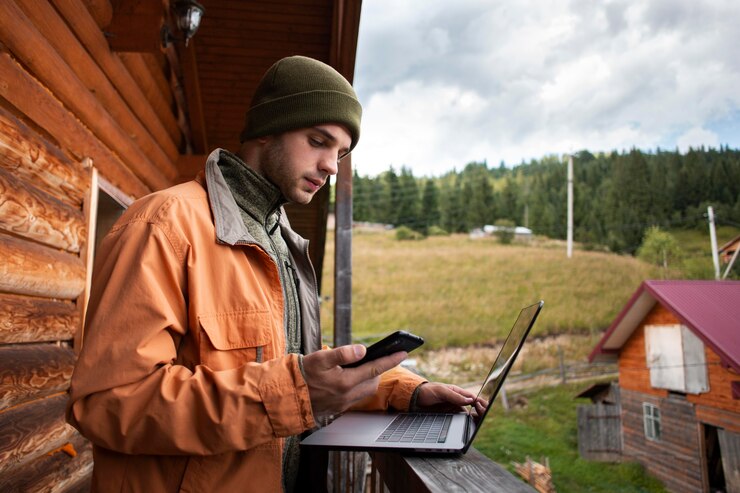
Reliable internet access is essential in today's digital age, but for those living in rural areas, finding fast and consistent internet can be a challenge. Many factors, such as infrastructure limitations and service availability, affect internet speeds in rural communities. In this guide, we’ll explore the best internet speed options for rural areas and how to choose the right provider based on your needs.
How Much Internet Speed Do You Need?
Before choosing an internet service provider (ISP), it's essential to determine how much speed you need based on your online activities. For example:
Basic browsing and email: 5-10 Mbps
Streaming in HD: 25 Mbps
Online gaming and video calls: 50-100 Mbps
Work-from-home setups and smart homes: 100+ Mbps
If you're unsure how much bandwidth you require, use this internet speed needs tool to estimate your requirements based on your household usage.
Challenges of Finding High-Speed Internet in Rural Areas
Rural areas often struggle with slow or limited internet options due to a lack of broadband infrastructure. Some of the common hurdles include:
Limited availability of fiber-optic or cable services
Higher costs for satellite or fixed wireless connections
Slower speeds compared to urban areas
Because of these challenges, it is crucial to filter internet providers based on speed needs to find the most reliable option in your area.
Fast Internet Options for Rural Areas
Although rural communities may not have access to the same ultra-fast fiber connections as city dwellers, there are still several good alternatives:
1. Fixed Wireless Internet
Fixed wireless internet delivers broadband access via radio signals from a nearby tower. This option provides speeds ranging from 10 Mbps to 100 Mbps, depending on the provider and location.
2. Satellite Internet
Satellite internet is widely available, making it a popular choice for remote areas. However, latency can be an issue for gaming and video conferencing. Services like Starlink are improving satellite speeds significantly.
3. DSL Internet
DSL uses existing phone lines to provide internet service. While speeds are typically slower (10-50 Mbps), it remains a dependable option where cable or fiber is unavailable.
4. Fiber Internet (Where Available)
In some rural areas, fiber-optic internet is expanding, offering speeds up to 1 Gbps. If you have access to fiber, it's one of the best choices for speed and reliability.
To find the fastest available options near you, check out the fastest internet providers and see who offers the best speeds in your location.
Final Thoughts
Choosing the best internet speed for rural areas requires careful consideration of your needs and available options. Whether you opt for fixed wireless, satellite, DSL, or fiber, ensuring you have enough speed for your daily activities is crucial. By using tools to evaluate your speed requirements and filtering providers based on availability, you can find the best internet solution for your rural home or business.
Are you currently searching for faster internet in a rural area? Let us know your experiences in the comments below!
Related Posts
 Safety
What Not to Do And Internet Safety Tips To Protect You Online
Learn what not to do online and discover practical internet safety tips to protect your personal data, devices, and accounts from cyber threats.
 cheap internet deals
Cheap Internet Plans in Florida: Find the Right Fit Fast
Discover how to find cheap internet plans in Florida based on your lifestyle, location, and speed needs. Compare providers and choose the best plan today.
 cheap internet deals
Cheap Internet Plans vs Premium Plans
Cheap vs premium internet plans explained. Learn the key differences in speed, data limits, reliability, and pricing to choose the best plan for your home.
 Subscription
cheap internet offers
Subscription
cheap internet offers
Spectrum vs Verizon 5G Home Internet: Which Is Better?
Spectrum vs Verizon 5G Home Internet: compare speed, pricing, reliability, and availability to choose the best home internet provider for your household.
 Internet Bundles
How to Get Free or Cheap Internet in the U.S.
Learn how to get free or discounted internet in the U.S. Discover government programs, provider discounts, and practical ways to lower your monthly bill.