What are the Importance of Latency in Internet Access during COVID-19 Pandemic
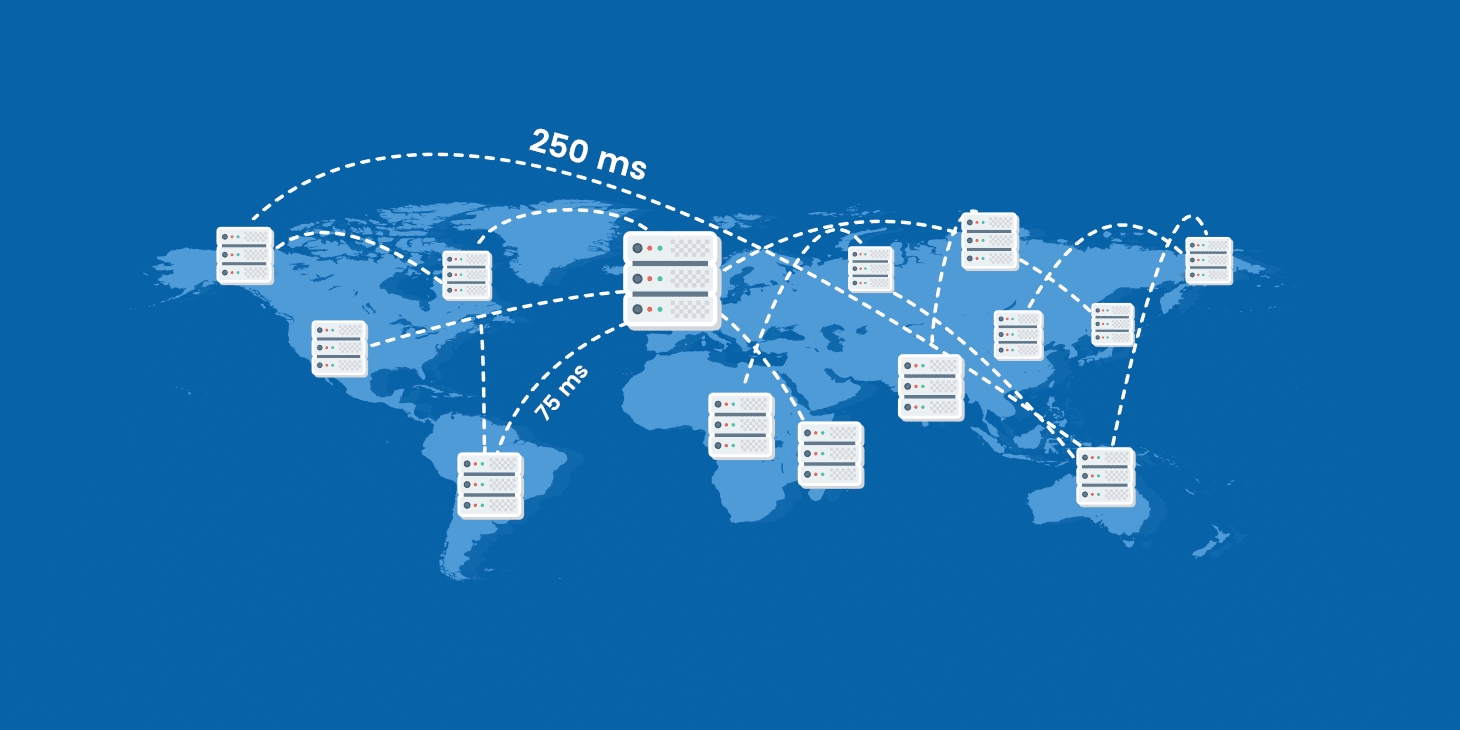
School and work were shifted from home as a result of the pandemic, with little thought given to how the heightened connections would affect internet access. As society shifts from a consumption-based to a connection-based model, latency becomes increasingly important.
Prior to the actual pandemic, our days began with dropping our children off at school, going to work, and then visiting relatives, going to movies, watching sports, and eating out on the weekends. Those were the days, weren't they? Continue reading below to learn more about the importance of latency.
Related: What are Speed, Latency, and Jitter?
The Importance of Latency
Then everything changed as the pandemic spread and people all over the world were advised to remain at home. Children had to start Zooming from their bedrooms instantly and business was done by video conferences. All of this has resulted in a significant change in what the internet needs to support.
The new internet is set up in such a way that consumption took priority. Video accounts come from 70% of all internet traffic, with the majority of it being pure video streaming. As a result, the data routes into homes were built to enhanced download and upload capacity.
Many internet connectivity requirements have this asymmetry, such as the cable standard DOCSIS 3.1, which has 10X more download bandwidth than upload bandwidth. As a result, when two or more video connections are active at the same time in a home, the upload capacity is inadequate to provide a satisfactory customer experience.
Connection bandwidth is provided by Internet service providers (ISPs) today, but network latency is still critical for real-time interactive communications. Latency isn't an issue with streaming since any delays or interruptions are smoothed out with large video buffers. Real-time communications, on the other hand, cannot be buffered or they would cease to be real-time, so the whole network must be configured for zero delays.
Better standards for connecting people in real-time are necessary, and the latest 5G and Wi-Fi 6 wireless technologies are here to help. Since these systems are wireless, they do not necessitate the tearing up of streets to install new connections. They have much higher bandwidth connections with adjustable bandwidth assignment between the downlink and uplink networks, as well as significantly lower latency, which are all important features for real-time communication.
5G
Cellular technology has progressed from 2G to 4G to 5G in each decade. 5G data speeds can be 10 times higher than existing 4G technology, but more importantly, network latency can be reduced by a factor of ten. Users' latency would drop from an average of 50 milliseconds in 4G to 10 milliseconds in 5G, and even 1 millisecond in optimized instances. Multiple real-time connections on a channel would be possible without lag or freezing thanks to the lower latency.
5G often allows for more dynamic downlink and uplink bandwidth assignment and can accommodate more users per line, resulting in increased total data traffic.
Wi-Fi
Wi-Fi has managed user access for many years using a data collision-avoidance sensing system. It's not a big deal for one of the users to retransmit while the network is open, for example, if two people send an email at the same time and the packets overlap. The recipient of the email does not note the delay caused by the retransmission.
When 2 persons are on a video conferencing at the same time, however, packet conflicts add latency and deplete bandwidth at a time when the applications require it.
If more real-time network applications run at the same time, collisions become more common, and latency suffers. This was exacerbated by streaming and other applications sending mega-sized packets, which clogged the network and increased the likelihood of packet loss.
Wi-Fi 6 has become even smarter, managing information flow to accommodate many users at the same time. There are fewer collisions, and users can get even more throughput by balancing bandwidth. As we move toward a more connected world, Wi-Fi 6 becomes increasingly important.
Final thoughts
Internet connectivity has been much more mission-critical to everyday life and much better, as it has become more about real-time interactions. Beyond the COVID-19 pandemic, it's possible that society will remain virtually connected. As mentioned in this article, adapting to these changes would be extremely difficult for the internet as it currently exists. The latest 5G and Wi-Fi 6 wireless standards, on the other hand, have made it in time.
Related Posts
 Safety
What Not to Do And Internet Safety Tips To Protect You Online
Learn what not to do online and discover practical internet safety tips to protect your personal data, devices, and accounts from cyber threats.
 cheap internet deals
Cheap Internet Plans in Florida: Find the Right Fit Fast
Discover how to find cheap internet plans in Florida based on your lifestyle, location, and speed needs. Compare providers and choose the best plan today.
 cheap internet deals
Cheap Internet Plans vs Premium Plans
Cheap vs premium internet plans explained. Learn the key differences in speed, data limits, reliability, and pricing to choose the best plan for your home.
 Subscription
cheap internet offers
Subscription
cheap internet offers
Spectrum vs Verizon 5G Home Internet: Which Is Better?
Spectrum vs Verizon 5G Home Internet: compare speed, pricing, reliability, and availability to choose the best home internet provider for your household.
 Internet Bundles
How to Get Free or Cheap Internet in the U.S.
Learn how to get free or discounted internet in the U.S. Discover government programs, provider discounts, and practical ways to lower your monthly bill.