Is TikTok Safe? What You Need to Know
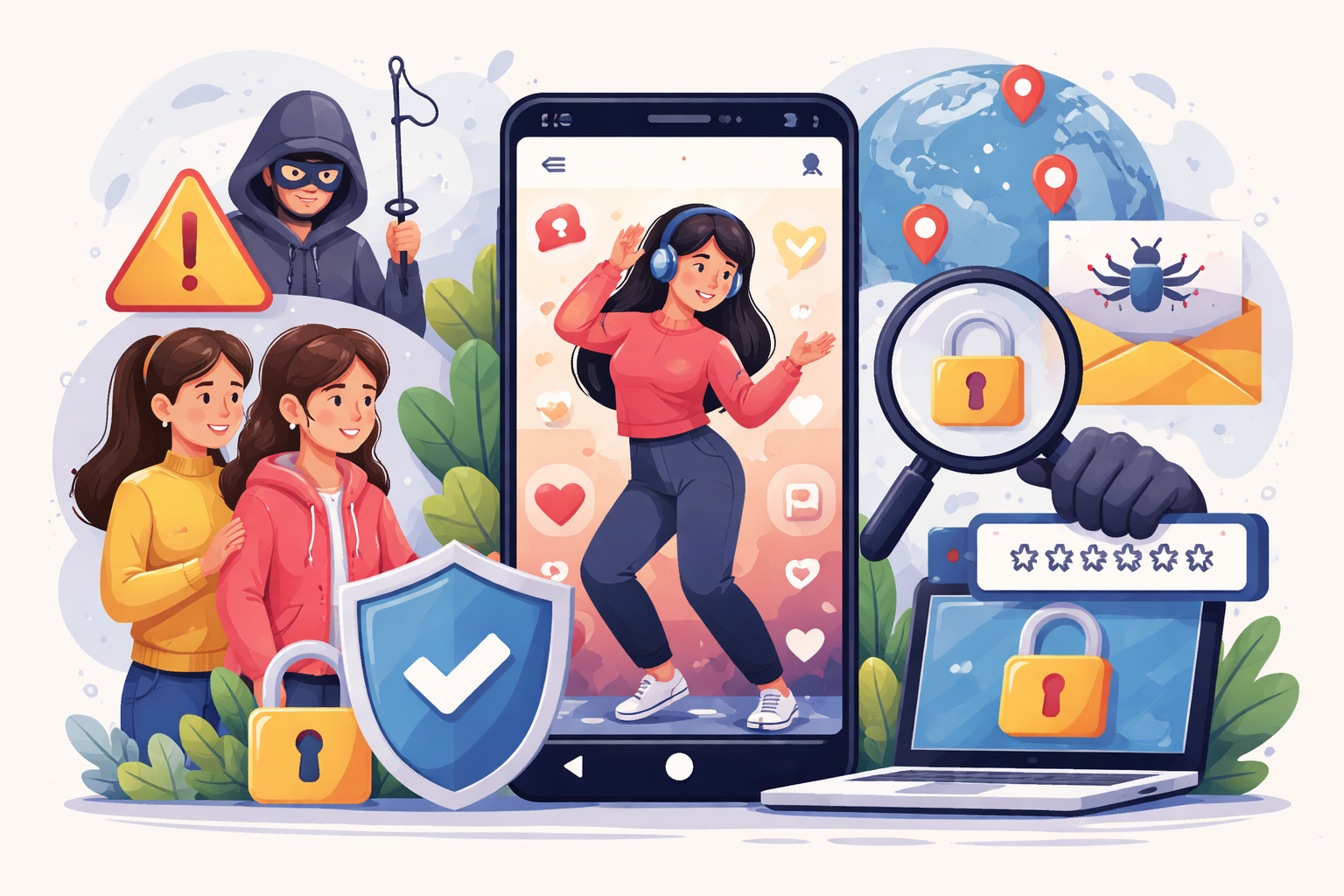
TikTok is one of the most downloaded social media platforms in the world, with billions of active users sharing short-form videos daily. From viral dance trends to educational content and brand promotions, TikTok has reshaped how people consume and create media.
But as the platform continues to grow, an important question remains: Is TikTok safe?
Whether you’re a parent, a casual user, or someone building a brand, understanding TikTok’s privacy risks, security concerns, and scam tactics is essential. In this in-depth guide, we break down how TikTok works, the real safety risks involved, and practical steps you can take to protect your privacy and digital security.
What Is TikTok and Why Is It So Popular?
TikTok allows users to create and share short videos ranging from 15 seconds to several minutes. Its built-in editing tools, music library, filters, and effects make it easy for anyone to produce professional-looking content.
Originally launched as Musical.ly before being acquired by ByteDance in 2017, TikTok quickly became a dominant force in short-form entertainment. Its algorithm-driven “For You” feed keeps users engaged by continuously serving highly personalized content.
Short-Form Content and Attention Spans
One reason TikTok exploded in popularity is its bite-sized content format. Videos are short, fast-paced, and designed for immediate engagement. Users can scroll through dozens of videos in minutes, making it addictive by design.
A Younger Audience Demographic
A large percentage of TikTok users fall between the ages of 16 and 24. While the platform attracts adults as well, its youthful demographic raises legitimate safety and privacy concerns, particularly for parents.
TikTok Safety Concerns You Should Understand
TikTok is not inherently unsafe. However, like any social media platform with massive reach and public interaction features, it comes with risks.
Let’s examine the most significant concerns.
Privacy Risks on TikTok
When you create a TikTok account, your profile can be public by default. That means anyone can view your videos, comment, send messages, and potentially download your content.
Public Profiles and Oversharing
Many users, especially younger ones, may not fully understand the implications of sharing personal information online. Location hints, school logos, routines, and identifiable backgrounds can expose more information than intended.
Oversharing can lead to harassment, identity misuse, or targeted scams.
Data Collection Concerns
TikTok collects user data similar to other social media platforms. This can include:
Device information
Location data
Browsing activity
Usage patterns
There has been public debate and investigation into how TikTok stores and manages user data, particularly regarding national security concerns. While the company states that U.S. user data is stored domestically, concerns have been raised about regulatory obligations under Chinese law due to its parent company’s headquarters.
These discussions have led to government restrictions in some sectors, including limitations on use within certain government agencies.
Exposure to Inappropriate Content
Because TikTok hosts millions of uploads daily, not all content is suitable for minors. Although moderation systems are in place, inappropriate material can still circulate.
This includes:
Explicit content
Violent material
Harmful trends or challenges
Misinformation
The platform uses AI moderation and human reviewers, but no system is perfect at scale.
Cybersecurity Threats and Malware Risks
TikTok itself is not malware. However, users may encounter external threats through:
Suspicious links in bios
Phishing messages
Fake giveaways
Third-party app integrations
Hackers and scammers exploit popular platforms to trick users into revealing login credentials or downloading malicious software.
Being cautious about clicking external links is critical.
Scams on TikTok: What to Watch For
As TikTok grew, so did fraudulent activity. Scammers capitalize on visibility and viral potential.
Here are common scams users encounter.
Adult Dating and Clickbait Schemes
Fraudsters often repost stolen videos or create suggestive content to lure users into clicking links that lead to adult dating websites. These sites may:
Charge subscription fees
Install unwanted software
Harvest personal data
In many cases, scammers earn affiliate commissions when users sign up.
Fake Celebrity Accounts
Impersonation accounts pose as popular influencers to attract followers. Once they build credibility, they may promote fake giveaways or ask for money transfers.
Always verify accounts with the official verification badge before engaging.
Paid Followers and Engagement Fraud
Some TikTok accounts sell likes and followers. Not only does this violate TikTok’s terms of service, but buyers often lose money when sellers disappear or when accounts are penalized.
Artificial growth damages long-term credibility and can result in account suspension.
Harassment and Online Bullying
TikTok allows commenting, messaging, and video responses. While these features encourage interaction, they can also expose users to:
Cyberbullying
Harassment
Inappropriate direct messages
Public accounts are especially vulnerable.
Users should be mindful that once content is online, it can be screen-recorded, shared, or reposted without consent.
Government and Regulatory Concerns
TikTok has faced regulatory scrutiny in multiple countries. Investigations have centered on:
Data privacy practices
Content moderation policies
Potential censorship
National security implications
Some governments have restricted or banned TikTok on official devices. While these actions don’t necessarily indicate danger for individual users, they reflect ongoing global debates about data governance and digital sovereignty.
Understanding the broader context helps users make informed decisions.
How to Improve Your TikTok Safety and Privacy
Now that we’ve covered the risks, let’s focus on what you can do to stay safe.
TikTok provides several built-in privacy tools. The key is knowing how to use them.
Adjust Your Privacy Settings Immediately
Start by switching your account from public to private if you do not need broad visibility.
Under Privacy settings, you can control:
Who can comment
Who can send direct messages
Who can duet or stitch your videos
Who can download your content
Limiting interaction significantly reduces risk.
Follow Age Guidelines Strictly
TikTok requires users to be at least 13 years old. Parents should verify age settings and use parental controls for younger teens.
TikTok also offers a “Family Pairing” feature that allows guardians to manage screen time, content filters, and direct messaging permissions.
Use Digital Wellbeing Features
TikTok includes screen time management tools and restricted mode options. These features help reduce exposure to inappropriate content and encourage healthier usage habits.
Activating screen time reminders can also limit excessive scrolling.
Educate Children About Online Behavior
Technology settings alone are not enough. Open communication is critical.
Teach children:
Not to share personal details
Not to click unknown links
To report suspicious accounts
To block users who behave inappropriately
Digital literacy is a long-term safety strategy.
Report and Block Suspicious Activity
TikTok allows users to report:
Inappropriate videos
Harassment
Fake accounts
Scam attempts
Use the reporting feature consistently. Blocking problematic users immediately limits further interaction.
Delete Risky or Old Content
Review your older posts periodically. Remove content that reveals:
Personal routines
Locations
School or workplace details
Identifiable personal data
Even harmless content can become problematic over time.
Avoid Third-Party Login Apps
Be cautious when linking TikTok to unfamiliar third-party platforms. Always verify app permissions before granting access.
Limiting integrations reduces exposure to potential data breaches.
Strengthen Your Account Security
Use a strong, unique password for TikTok. Enable two-factor authentication (2FA) to prevent unauthorized access.
Never share verification codes with anyone, even if they claim to be TikTok support.
Is TikTok Safe Overall?
TikTok is not inherently dangerous. For most users, it functions as an entertainment and creative outlet without incident.
However, its public-facing design, massive user base, and algorithm-driven reach make it a target for scammers, impersonators, and malicious actors.
Safety on TikTok largely depends on:
Your privacy settings
Your online behavior
Your awareness of scams
Your understanding of data sharing
When used responsibly and with appropriate safeguards, TikTok can be an enjoyable platform.
Stay Informed and Stay in Control
Social media platforms evolve quickly. Features change, privacy policies update, and trends shift overnight.
The safest approach is proactive awareness. Review your settings regularly. Stay informed about new scam tactics. Educate younger users about digital boundaries.
TikTok can be a powerful creative tool—but like any online platform, it requires smart usage.
Related Posts
 Safety
What Not to Do And Internet Safety Tips To Protect You Online
Learn what not to do online and discover practical internet safety tips to protect your personal data, devices, and accounts from cyber threats.
 cheap internet deals
Cheap Internet Plans in Florida: Find the Right Fit Fast
Discover how to find cheap internet plans in Florida based on your lifestyle, location, and speed needs. Compare providers and choose the best plan today.
 cheap internet deals
Cheap Internet Plans vs Premium Plans
Cheap vs premium internet plans explained. Learn the key differences in speed, data limits, reliability, and pricing to choose the best plan for your home.
 Subscription
cheap internet offers
Subscription
cheap internet offers
Spectrum vs Verizon 5G Home Internet: Which Is Better?
Spectrum vs Verizon 5G Home Internet: compare speed, pricing, reliability, and availability to choose the best home internet provider for your household.
 Internet Bundles
How to Get Free or Cheap Internet in the U.S.
Learn how to get free or discounted internet in the U.S. Discover government programs, provider discounts, and practical ways to lower your monthly bill.