Are Physical SIM Cards Becoming Obsolete?
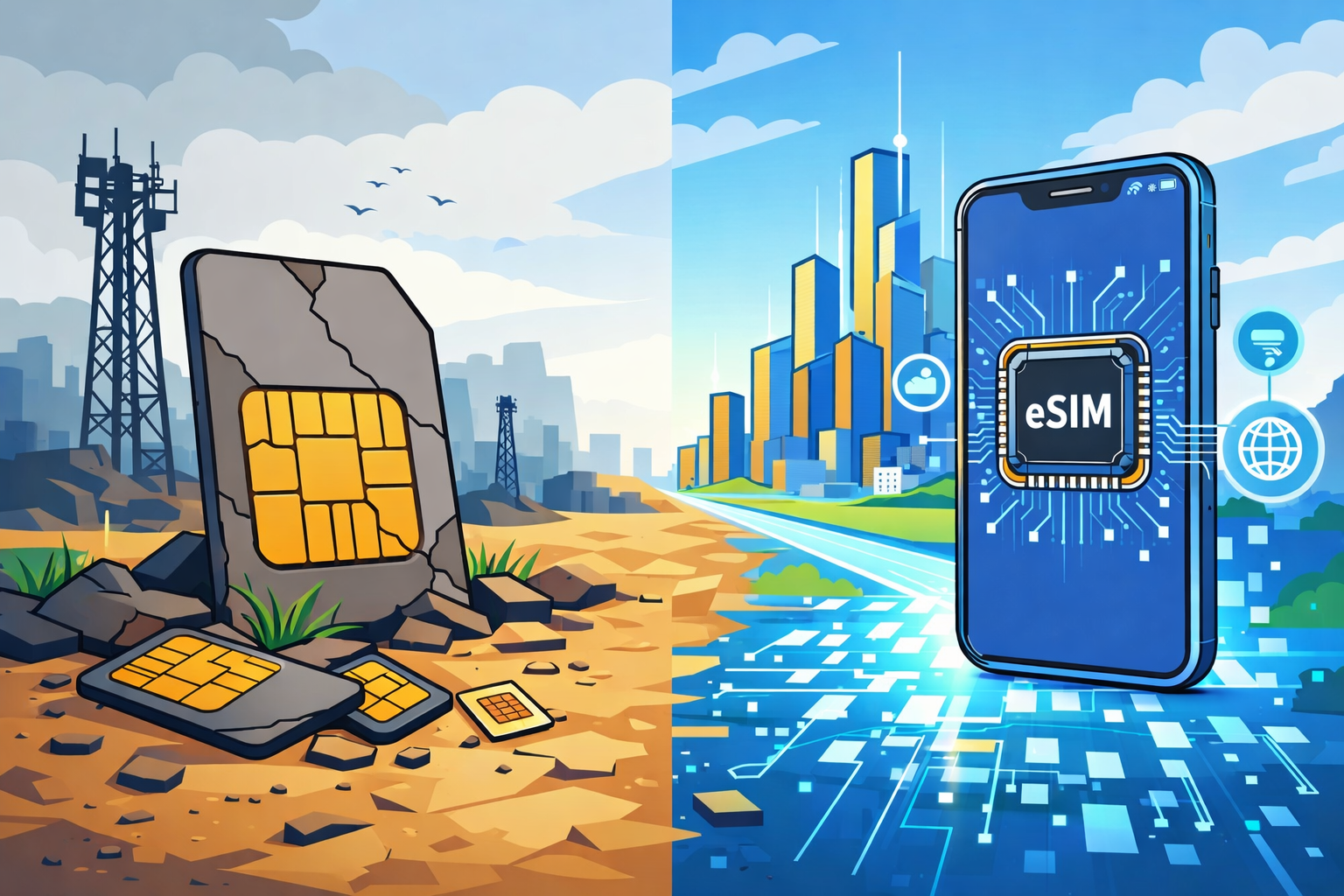
For decades, physical SIM cards have been an essential part of mobile connectivity. These tiny plastic chips are what allow phones to connect to carrier networks, store subscriber details, and enable calls, texts, and data services. However, the mobile industry is in the middle of a transformation. The rise of eSIM technology, which replaces the need for a physical card, has sparked debate about whether traditional SIM cards are on their way out.
This article examines what eSIM is, how it compares to the physical SIM, the advantages it offers, the challenges it faces, and whether physical SIM cards are truly becoming obsolete.
Understanding SIM and eSIM
To appreciate where things are headed, it helps to understand the distinction.
- Physical SIM card: A removable card that stores unique identification data, linking a phone to a mobile network. Users must physically insert it into a device to gain service.
- eSIM (embedded SIM): A digital SIM built directly into a phone, tablet, or wearable. Instead of inserting a card, users activate their mobile plan digitally through a QR code or carrier app.
Both technologies serve the same function, but eSIM eliminates the need for physical hardware.
Why eSIM Adoption Is Growing
The adoption of eSIM has accelerated over the past few years, driven by both manufacturers and carriers.
- Apple’s Lead: In 2022, Apple released iPhones in the U.S. without SIM trays, making them eSIM-only. This decision demonstrated confidence in the technology and signaled where the industry may be headed.
- Carrier Expansion: Global carriers such as AT&T , Verizon and T-Mobile now support eSIM. While smaller providers are catching up, availability is expanding every year.
- Device Compatibility: Flagship devices from brands like Samsung and Google already support eSIM. Even wearables, such as the Apple Watch, rely entirely on eSIM for connectivity.
The industry shift shows clear momentum toward making eSIM a new standard.
Key Advantages of eSIM Over Physical SIM
eSIM technology offers several practical and forward-looking advantages that physical SIMs cannot match.
- Convenience: Plans can be activated instantly, removing the need to wait for or handle a physical card.
- Flexibility: Devices can store multiple carrier profiles, allowing users to switch networks or maintain work and personal numbers on a single phone.
- Travel Benefits: International travelers can quickly purchase local eSIM plans to avoid high roaming charges. Providers such as Airalo and Holafly make access to global data simple.
- Environmental Impact: eSIM reduces the use of plastic and packaging, contributing to sustainability efforts in the mobile industry.
- Hardware Efficiency: By removing the SIM tray, manufacturers can free up space for larger batteries or innovative design features.
These advantages explain why manufacturers and carriers are increasingly embracing eSIM.
Why Physical SIMs Still Matter
Despite the growth of eSIM, physical SIMs are unlikely to disappear immediately. Several factors support their continued use:
- Carrier Gaps: Not all carriers, particularly smaller or regional ones, have adopted eSIM fully.
- Existing Devices: Billions of phones in circulation worldwide rely exclusively on physical SIMs.
- Emerging Markets: In many developing countries, physical SIM cards remain the most accessible and affordable option.
- Consumer Preferences: Some users prefer the familiarity and control of being able to physically swap a SIM card.
These factors mean physical SIMs will remain part of the mobile ecosystem for years to come.
The Future of SIM Technology
Looking ahead, the future of mobile connectivity is expected to evolve in stages:
- Near Term (2–3 years): Both physical SIMs and eSIMs will coexist, as carriers expand support and consumers adapt.
- Medium Term (around 5 years): eSIM adoption will accelerate, especially in developed markets where new devices increasingly ship without SIM trays.
- Long Term (10 years and beyond): Physical SIMs may become rare as technologies such as iSIM (integrated SIM) — embedded directly into a phone’s processor — gain traction.
The long-term trend is clear: mobile connectivity is moving toward a fully digital system.
Conclusion
So, are physical SIM cards becoming obsolete? Not yet, but they are on the decline. Physical SIMs will continue to exist for the foreseeable future, especially in markets where eSIM adoption is slower or where affordability is a concern. However, the momentum is firmly behind eSIM, and eventually iSIM, as the future of mobile connectivity.
For consumers, this shift promises greater flexibility, easier international travel options, and more sustainable technology. For carriers, it represents an opportunity to streamline services and move toward a fully digital infrastructure.
The plastic SIM card has been a vital part of mobile technology for decades, but its role is gradually being replaced by smarter, more adaptable alternatives.
Related Posts
 cheap internet deals
cheap internet plans
cheap internet deals
cheap internet plans
Why Utah and the Mountain West Attract Remote Workers
Discover why Utah and the Mountain West are attracting remote workers with affordable living, reliable internet, lower utility costs, and growth.
 Technology
Why Your Internet Keeps Disconnecting and How to Fix It
Learn why your internet keeps disconnecting and discover proven fixes for router issues, Wi-Fi interference, faulty cables, and network instability.
 Broadband Deals
cheap internet deals
Subscription
Broadband Deals
cheap internet deals
Subscription
Affordable Internet and TV Bundles for the 2026 World Cup
Compare affordable internet and TV bundles for sports fans and enjoy reliable coverage of the 2026 World Cup without overspending.
 Internet Bundles
How to Detect ISP Throttling and Improve Your Internet Speed
Learn how to detect ISP throttling, identify common warning signs, test your connection, and improve internet speed for streaming, gaming, and work.
 cheap internet deals
cheap internet plans
cheap internet offers
cheap internet deals
cheap internet plans
cheap internet offers
Which ISP Offers the Best Long-Term Price Stability?
Compare ISPs with the most stable long-term pricing. Learn how to avoid bill increases, evaluate plans, and choose affordable internet service.