Things To Know About Internet Access for Americans with Disabilities
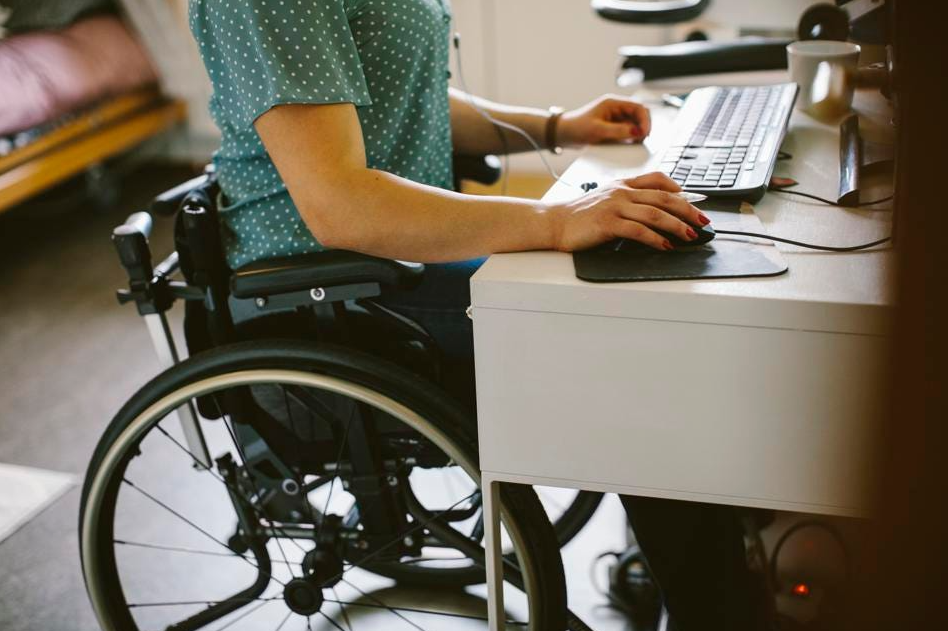
Assistive technology and applications are developed by non-profit groups and software corporations to make the internet more accessible to everyone. It's clear that the need for everyday internet connectivity is here to stay, and that demand will only increase. However, not all internet access is created equal. Not only is the United States struggling to bridge the digital divide and provide internet access to all, but it is also evident that the internet was not designed for those of us who have hearing, vision, mobility, or cognitive impairments in mind.
Thankfully, some software businesses and charitable organizations have risen to the plate, developing accessible features and assistive technologies.
What does it mean to be digitally accessible?
Every web user is entitled to a first-class digital experience. Someone with a disability must be able to access web-based services, content, and other digital products with the same effective end as people without disabilities.
The Digital Equity Act is part of the Infrastructure Investment and Jobs Act, which is currently being debated in Congress. The bill will provide subsidies to states to develop digital skills training, boost accessibility, and help rural organizations meet their own internet needs.
According to AccessiBe, a company that helps websites satisfy accessibility standards, just about 2% of the 350 million active websites in the United States are accessible to persons with disabilities.
86 percent of state government unemployment websites fail at least one basic test for mobile page load speed, mobile-friendliness, or accessibility.
Adding alternate text to photos and videos should always include subtitles can make a website more accessible.
Several free tools are available to assist designers and developers in testing the accessibility of their pages:
-
WAVE – Web Accessibility Evaluation Tool
Inaccessibility has an impact on who
According to the Centers for Disease Control and Prevention, 61 million adults in the United States have a handicap (CDC). One out of every four adults falls under this category.
The following are the most frequent disabilities: visual, hearing, motor, and cognitive. Approximately 13 million people experienced cognitive impairments. In the United States, around 11 million people reported substantial hearing trouble, while approximately 7 million reported significant vision difficulty, even while wearing glasses.
As a result of these challenges, there are occasional discrepancies in who has access to technology.
62 percent of adults with a disability say they own a desktop or laptop computer, compared to 81 percent of those without a disability.
Ways you can Assist
-
Participate in Global Accessibility Awareness Day: Global Accessibility Awareness Day is held on the third Thursday of May each year. Participation ideas include: Prepare a transcript or caption for a video. If the video is not yours, submit the transcript to the owner and suggest they add subtitles using the instructions provided by Google for YouTube or 3Play Media for Vimeo. Write a blog article about digital accessibility awareness and your (the writer's) suggestions for increasing it. Upload a video to YouTube explaining how you utilize some form of assistive technology.
-
Teach and Advocate: Inform groups about web pages that are inaccessible.
Accessibility Features and assistive Technology
- Hearing aid apps are available on the market to assist people with hearing impairments in using their smartphones:
-
Apple Accessibility (all platforms): For a range of challenges, Apple provides many choices.
-
Voiceover, Voiceover with Braille, Spoken Content, Reduce Motion, accessibility shortcuts, a workflow creator, text size and display adaptations, Siri access for voice commands, Dark Mode to reduce screen brightness, Hover Text and Zoom features, a magnifier, and dictation options are among the features available.
-
Mobility: Accessibility Keyboard and Assistive Touch
-
Hearing: Conversation Boost, Facetime Sign, and Real-Time Text are all examples of hearing enhancements.
-
Google Accessibility: Tools to help app developers uncover possibilities to make their applications more accessible are among Google's accessibility features and offerings. TalkBack and Live Caption, low-vision settings, a school screen reader, and other features are available in Chrome.
-
Microsoft Accessibility: Microsoft provides Windows accessibility help as well as a Disability Answer Desk that deals with accessibility issues for Windows and Microsoft products.
- Subtitle Viewer: This program allows you to watch subtitles in a variety of languages. Subtitles are displayed in real-time and can be utilized with TV and movie theaters in real-time. The software works in conjunction with television and movie theaters.
- RogerVoice: This app will record and caption your phone calls.
- NonVisual Desktop Access (Windows + Linux): A person who is blind or has low vision needs a screen reader or a reader with a braille display to read the text in a computer-generated voice. However, these devices are frequently rather costly. This free screen reader, a NonVisual Desktop Access, was designed by a blind man (NVDA).
Organizations that are assisting in the fight for digital access
-
The Global Initiative for Inclusive, ICTS raises awareness of digital accessibility through conferences, seminars, and media relations, as well as measuring implementation progress and deploying capacity-building initiatives for governments and advocates.
-
Knowbility, Inc. is a non-profit company in Austin, Texas that is a recognized leader in the field of accessible information technology.
-
The World Wide Web Consortium (W3C) is an international organization that creates open standards to assure the Web's long-term success.
-
The Assistive Technology Industry Association (ATIA) is the world's leading educational and research association for assistive technology (AT) manufacturers, marketers, and providers.
-
To help individuals with disabilities live independently, the AAPD will push for policies that stimulate the development of universally designed technology and enable affordable access to that technology.
Related Posts
 Broadband Deals
cheap internet plans
Subscription
Broadband Deals
cheap internet plans
Subscription
Affordable High-Speed Internet for Seniors and Families
Find affordable high-speed internet for seniors and families. Compare speeds, costs, discounts, and low-cost plans to choose reliable service.
 Technology
Internet Speed Test: Benefits, Pros, and Cons Explained
Learn how internet speed tests work, what they measure, and their key benefits, pros, and cons. Get accurate results and use them to hold your ISP accountable.
 cheap internet deals
Wifi
cheap internet deals
Wifi
How to Get Cheap Temporary Internet for 3–6 Months
Learn how to get affordable temporary internet for 3–6 months without cancellation fees, including no-contract, 5G, prepaid, and flexible internet options.
 Broadband Deals
How to Search Internet Providers by Zip Code and Compare Plans
Search internet by zip code to find local providers, plans, and speeds available in your area. Compare options and get the best deal near you.
 Broadband Deals
cheap internet deals
Broadband Deals
cheap internet deals
How to Lower Your Home Internet Bill After ACP Ends
Learn practical ways to lower your home internet costs after ACP ended, including comparing plans, cutting fees, negotiating rates, and choosing the right speed