Budget-Friendly Internet for Students in the U.S.
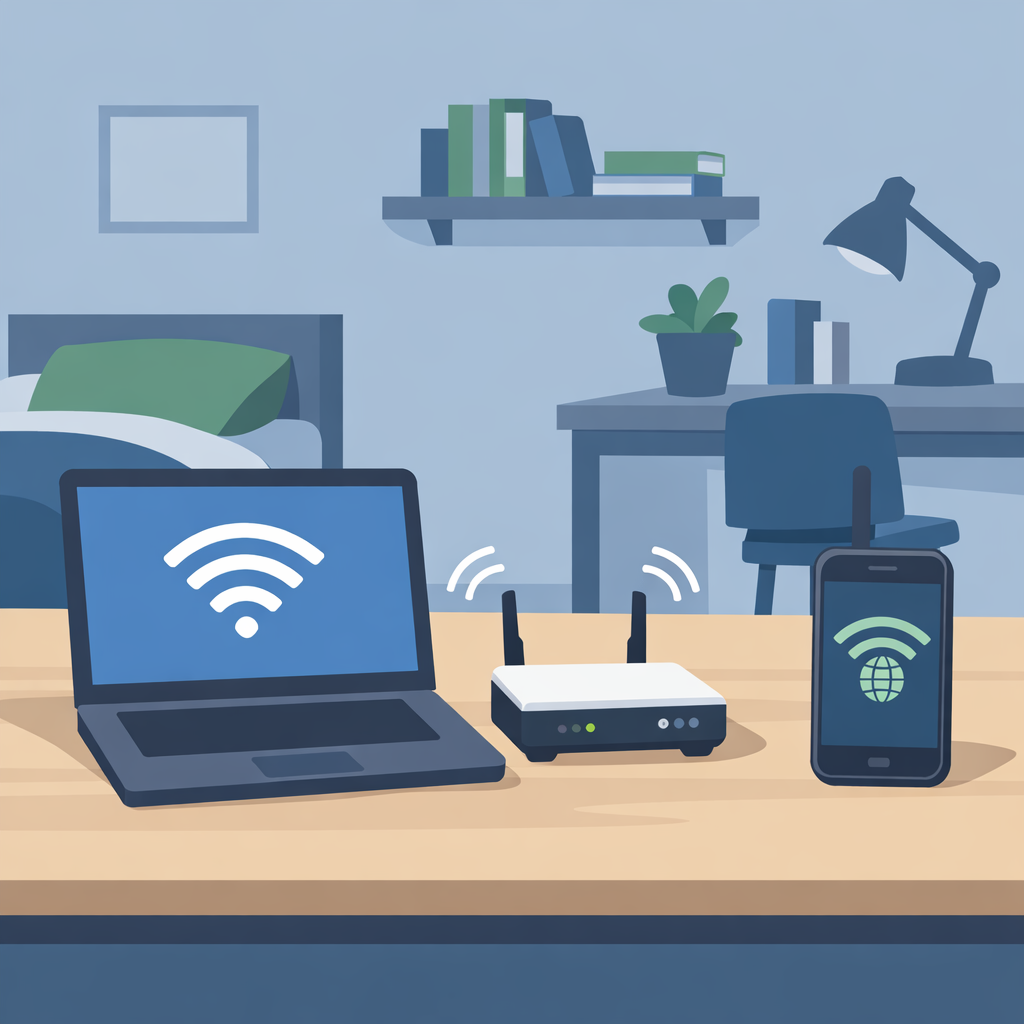
For students in the U.S., staying connected online is no longer optional—it’s essential. From attending online classes and submitting assignments to streaming educational videos and staying in touch with friends, internet access is a lifeline. But for many students, the cost of internet service can add up quickly. Fortunately, there are budget-friendly internet options designed specifically for students that make high-speed connectivity more affordable. In this guide, we’ll explore the best options, tips, and tricks to help students save money while staying online.
Why Affordable Internet Is Crucial for Students
Access to reliable internet has become a cornerstone of modern education. Without it, students risk falling behind in their studies and missing out on opportunities. However, internet bills can strain already tight budgets, especially for college and university students who juggle tuition, books, and living expenses.
Affordable internet options give students the freedom to:
- Attend virtual classes without interruptions
- Access online libraries and research databases
- Participate in group projects through video calls
- Stream educational content without buffering
Understanding which services offer the best combination of speed, reliability, and cost is key to finding the perfect fit.
Low-Cost Internet Programs for Students
Several providers and programs cater specifically to students looking for budget-friendly internet. These options often include discounted plans, special offers, or government-supported initiatives.
1. Federal Assistance Programs
The U.S. government offers programs that help low-income students get affordable internet access. One of the most notable is the Affordable Connectivity Program (ACP).
- Eligibility: Families and students with income at or below 200% of the federal poverty line or who participate in programs like SNAP, Medicaid, or Pell Grants
- Benefits: Up to $30 per month off internet service (higher for Tribal lands)
- How to Apply: Visit the official ACP website and submit proof of eligibility
Programs like ACP are ideal for students who meet the criteria and want significant savings without sacrificing speed.
2. ISP Student Discounts
Some internet service providers (ISPs) offer exclusive discounts for students. These often require proof of enrollment and can save students anywhere from 10–50% on their monthly bills.
Popular options include:
- Comcast Xfinity: Offers discounted plans for students in select areas
- AT&T Internet: Provides flexible student-friendly packages
- Spectrum Internet Assist: Available for low-income families and students
It’s always worth checking the local ISPs to see if they have ongoing student promotions, as these deals change frequently.
3. University Partnerships
Many colleges and universities partner with ISPs to provide discounted or free internet access for their students. Some campuses even include internet as part of tuition or housing fees. Students should check with their campus IT department to explore these options.
Budget-Friendly Internet Alternatives
If traditional broadband plans are still too expensive, students can consider alternative solutions to stay connected.
1. Mobile Hotspots
Mobile hotspots are a flexible way to access the internet without a fixed line. These devices use cellular data networks and can be shared with multiple devices.
- Pros: Portable, easy to set up, no long-term contracts
- Cons: Data caps can be limiting, speeds vary by location
Some mobile carriers, like T-Mobile and Verizon, offer affordable hotspot plans for students, making this an excellent temporary or supplemental solution.
2. Public Wi-Fi and Community Networks
Students can also leverage public Wi-Fi in libraries, coffee shops, and community centers. While not ideal for sensitive tasks like online banking, public networks are perfect for browsing, research, and casual streaming.
Additionally, some cities provide free or low-cost community Wi-Fi networks, especially in areas near schools or universities. Checking local municipal websites can reveal these hidden opportunities.
3. Shared Housing Plans
Students living with roommates can split the cost of a standard internet plan. For example, a $60 per month plan becomes only $15–$20 per person when shared among three or four students. Sharing not only reduces individual costs but also allows access to higher-speed plans that might otherwise be unaffordable.
Tips for Maximizing Internet Savings
Finding a cheap internet plan is just the first step. Students can adopt a few smart strategies to keep bills low while maintaining reliable service.
1. Compare Plans and Speeds
Not all students need the fastest gigabit connections. For most academic work and streaming lectures, a plan with 50–100 Mbps is more than sufficient. Compare multiple ISPs to see which offers the best speed-to-cost ratio.
2. Watch for Hidden Fees
Some low-cost plans include installation fees, modem rental charges, or extra taxes. Factor these into your monthly cost to avoid surprises.
3. Bundle Services Carefully
While bundling internet with TV or phone services can save money, students should evaluate if they truly need extra services. Often, standalone internet plans are cheaper for student budgets.
4. Use Student Discounts and Coupons
Websites like Groupon or RetailMeNot sometimes offer promo codes for internet services. Combining these with student-specific discounts can reduce monthly bills even further.
The Best Budget-Friendly Internet Options in 2026
Based on speed, reliability, and affordability, here are top choices for students:
- Xfinity ConnectED: Free internet for eligible K–12 students and low-cost options for college students
- AT&T Access: Affordable monthly plans for students and low-income households
- Spectrum Internet Assist: $14.99 per month for qualifying students and families
- T-Mobile Hotspot Plans: Flexible mobile data plans suitable for streaming and remote learning
These options balance cost and performance, allowing students to focus on studies without worrying about connectivity.
Staying Safe on a Budget Internet Plan
Even with affordable options, students should prioritize online safety. Public Wi-Fi and shared networks can expose devices to hackers. To stay secure:
- Use a VPN when accessing sensitive accounts
- Avoid entering passwords on public networks
- Keep devices updated with the latest security patches
- Enable two-factor authentication on email and school accounts
Safety is just as important as affordability, ensuring uninterrupted access to education resources.
Conclusion
High-speed internet doesn’t have to break a student’s budget. With a combination of government programs, ISP discounts, university partnerships, and smart alternatives like mobile hotspots, students in the U.S. have multiple ways to stay connected affordably.
By comparing plans, watching for hidden fees, and leveraging shared housing or public Wi-Fi strategically, students can enjoy reliable internet access while keeping expenses low. Staying informed about discounts and programs ensures students never compromise their online education or digital life.
Affordable internet is not just about saving money—it’s about giving students the freedom to learn, connect, and succeed in today’s digital world.
Related Posts
 cheap internet deals
Best 300 Mbps Internet Deals: Top Plans Worth Paying For
Compare the best 300 Mbps internet deals from Xfinity, Spectrum, AT&T Fiber, and T-Mobile in 2026. Real pricing, hidden fees, and the right plan for you.
 Broadband Deals
cheap internet plans
Subscription
Broadband Deals
cheap internet plans
Subscription
Affordable High-Speed Internet for Seniors and Families
Find affordable high-speed internet for seniors and families. Compare speeds, costs, discounts, and low-cost plans to choose reliable service.
 Technology
Internet Speed Test: Benefits, Pros, and Cons Explained
Learn how internet speed tests work, what they measure, and their key benefits, pros, and cons. Get accurate results and use them to hold your ISP accountable.
 cheap internet deals
Wifi
cheap internet deals
Wifi
How to Get Cheap Temporary Internet for 3–6 Months
Learn how to get affordable temporary internet for 3–6 months without cancellation fees, including no-contract, 5G, prepaid, and flexible internet options.
 Broadband Deals
How to Search Internet Providers by Zip Code and Compare Plans
Search internet by zip code to find local providers, plans, and speeds available in your area. Compare options and get the best deal near you.